




5 Top Points
- Iranian missile and drone strikes hit the Gulf region: Iran fired missiles at several Gulf cities following US-Israeli strikes on Iran, prompting interceptions, sirens, and emergency measures across the entire GCC.
- Aviation and operations shift to crisis footing: Kuwait closed its airspace and Kuwait Airways postponed all arrivals and departures at Kuwait International Airport. In Bahrain, Civil Aviation Affairs announced temporary flight changes at Bahrain International Airport following airspace closure measures.
- Shipping risk spikes, with tanker rates hitting six-year highs: Freight costs for Middle East crude surged as exporters accelerated chartering amid fear of a continued escalation of the US/ Israel-Iran war.
- Cyber sanctions collide with Gulf business ecosystems (24 Feb): The US Treasury issued cyber-related sanctions against individuals and entities, including some based in the UAE, over acquisition and distribution of harmful cyber tools. The US also used PAIPA designations linked to trade-secret theft.
- Oman and Qatar reinforce ‘diplomacy-and-institutions’ positioning: Oman issued Royal Decree 36/2026 establishing the National Library of Oman , while Qatar used UN fora in Geneva to reiterate its “active international partner” posture and mediation role on Afghanistan dialogue tracks.
‘Round and About the Gulf’
Kingdom of Bahrain

Wednesday, 25 February – Bahrain illuminated landmarks and buildings in blue to mark Kuwait’s National Day and Liberation Day, emphasising intra-GCC symbolism and public-facing unity messaging.
Saturday, 28 February – Bahrain Defence Force General Command said its air defence systems intercepted a missile attack launched from Iran. The National Communication Centre separately confirmed Bahrain had been subjected to external attacks and outlined public-safety guidance.
Saturday, 28 February – Civil Aviation Affairs announced temporary changes to flights at Bahrain International Airport following airspace closure measures. Bahrain also issued a strong condemnation of Iranian missile attacks targeting Bahrain and other GCC states.
State of Kuwait

Wednesday-Thursday, 25-26 February – Kuwait marked its National Day and Liberation anniversary with official messaging and broad public commemorations.
Saturday, 28 February – Kuwait’s Public Authority for Civil Aviation announced closure of Kuwait airspace due to political and security developments. Kuwait Airways postponed all arrivals and departures at Kuwait International Airport amid the regional situation.
Saturday, 28 February – Kuwait strongly condemned Iranian attacks across the GCC (and Jordan), describing them as blatant violations of sovereignty and international law.
Sultanate of Oman

Tuesday, 24 February – Oman’s Youth Centre announced a 2026 training programme package, including workshops spanning skills development and cultural competencies aligned with youth empowerment objectives during Ramadan.
Wednesday, 25 February – Sultan Haitham issued Royal Decree No. 36/2026 establishing the National Library of Oman and promulgating its statute, deepening Muscat’s cultural and knowledge economy architecture.

State of Qatar

Tuesday, 24 February – Emir Sheikh Tamim bin Hamad Al Thani met Pakistan’s Prime Minister Muhammad Shehbaz Sharif in Lusail, reviewing bilateral cooperation and ways to develop ties across sectors. The Pakistani Prime Minister also met Qatar’s Prime Minister and Foreign Minister Sheikh Mohammed bin Abdulrahman Al Thani.
Thursday, 26 February – Qatar reaffirmed its commitment to an ‘active international role’ and to continuing mediation efforts, in a statement delivered at the UN Human Rights Council’s interactive dialogue on Afghanistan.
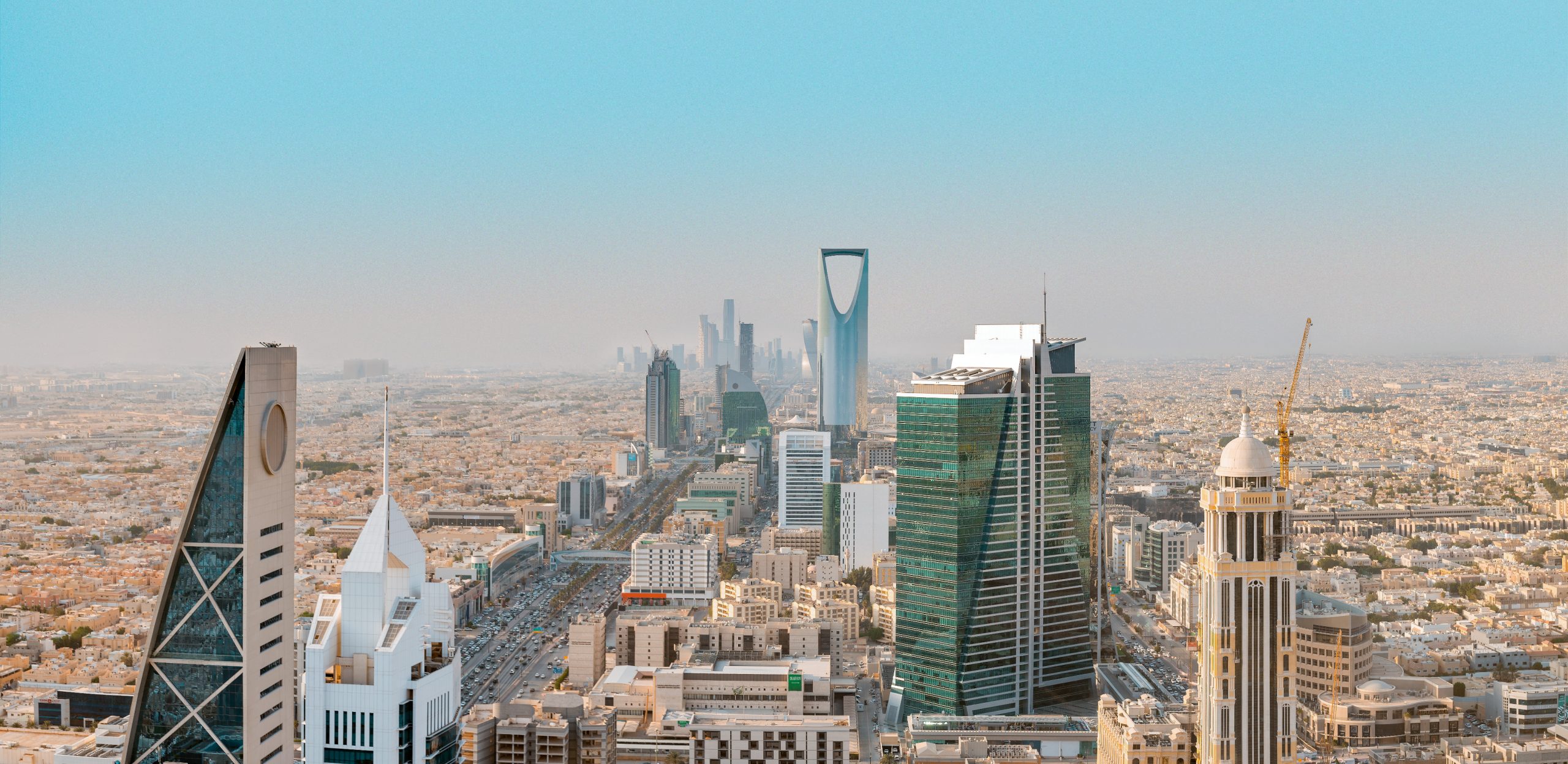
Kingdom of Saudi Arabia

Thursday, 26 February – Saudi Arabia and Kuwait announced a new oil discovery in the Partitioned Zone, described as the first such discovery since the resumption of production operations in the area.
Friday, 27 February – Saudi Electricity Company launched a new identity and rebranded as ‘Saudi Energy’, signalling a broadened mandate within the Kingdom’s evolving energy ecosystem under Vision 2030 reforms.

United Arab Emirates

Tuesday, 24 February – The US announced cyber-related sanctions including individuals and entities based in the UAE, for harmful cyber tools acquisition/distribution, with linked PAIPA designations tied to trade-secret theft.
Wednesday, 25 February – The National Centre of Meteorology issued an alert warning motorists of dense fog and sharply reduced visibility, one of several ‘civil readines’ notices during a tense regional week that later included Iranian strikes across the UAE.
Thursday, 26 February – The UAE launched a series of Ramadan initiatives and campaigns framing global humanitarian outreach as a pillar of Emirati soft power and overseas engagement.
EU Corner
Europe’s escalation-management posture hardens: European leaders reacted with alarm to the US– Israeli strikes on Iran and the spillover into the wider region. A joint line from Commission President Ursula von der Leyen and Council President António Costa called developments ‘greatly concerning’ and urging restraint, civilian protection and respect for international law. The same reporting highlighted the EU’s Aspides naval posture in the Red Sea remaining on high alert as Europe seeks to keep maritime corridors open.
Energy and logistics risks feed straight into Europe-Gulf economics: Surging Middle East exports and war-escalation risk expectations drove VLCC rates to six-year highs. For European importers and Gulf exporters alike, the week reinforced that security volatility now prices into freight, refining margins and supply assurance almost in real time.
Key Official Visits & Contacts
Tuesday, 24 February (Doha) – Emir Sheikh Tamim met Pakistan’s Prime Minister Muhammad Shehbaz Sharif at Lusail Palace to review bilateral cooperation and discuss ways to strengthen ties.
Tuesday, 24 February (Doha) – Prime Minister and Foreign Minister Sheikh Mohammed bin Abdulrahman met PM Sharif, continuing the high-level engagement.
Thursday, 26 February (Geneva) – Qatar’s Acting Chargé d’Affaires in Geneva delivered a statement on Afghanistan at the UN Human Rights Council, reiterating Doha’s mediation-hosting role and commitment to dialogue platforms.
Saturday, 28 February (Doha – telephone call) – Qatari Amir Sheikh Tamim bin Hamad Al Thani received a phone call from UAE President Sheikh Mohamed bin Zayed Al Nahyan to discuss the regional military escalation and its implications for security and stability, and to underline the need for de-escalation and diplomacy.
Saturday, 28 February (Doha – telephone call) – Qatar’s Minister of State for Foreign Affairs received a call from GCC Secretary-General Jasem Mohamed Albudaiwi focused on developments in the escalation and ways to resolve disputes by peaceful means.
Sunday, 1 March (video-conference) – The 50th Extraordinary Meeting of the GCC Ministerial Council (chaired by Bahrain) was held specifically to address Iran’s missile and drone attacks against the UAE, Bahrain, Saudi Arabia, Oman, Qatar and Kuwait. The meeting issued a collective political line and coordinated Gulf messaging and next steps.