



5 Top Points
- GCC countries denounced Israel’s 13 June strikes on Iran and intensified diplomacy with the US, Iran, Europe, and beyond to prevent a wider conflict.
- Oman announced cancellation of the planned Iran-US talks in Muscat due to the Israel-Iran escalation and began drafting a ceasefire proposal to revive nuclear negotiations.
- Qatar maintained gas production after an Israeli strike on its shared gas field with Iran and warned of supply risks amid rising prices in Asia and Europe.
- Saudi Arabia and France suspended UN Palestine conference amid military escalation but reaffirmed commitment to peace talks and two-state solution.
- Germany’s Foreign Minister visited Egypt, Saudi Arabia, Qatar, and Oman to push for de-escalation and urged Iran to renounce nuclear ambitions.
‘Round and About the Gulf
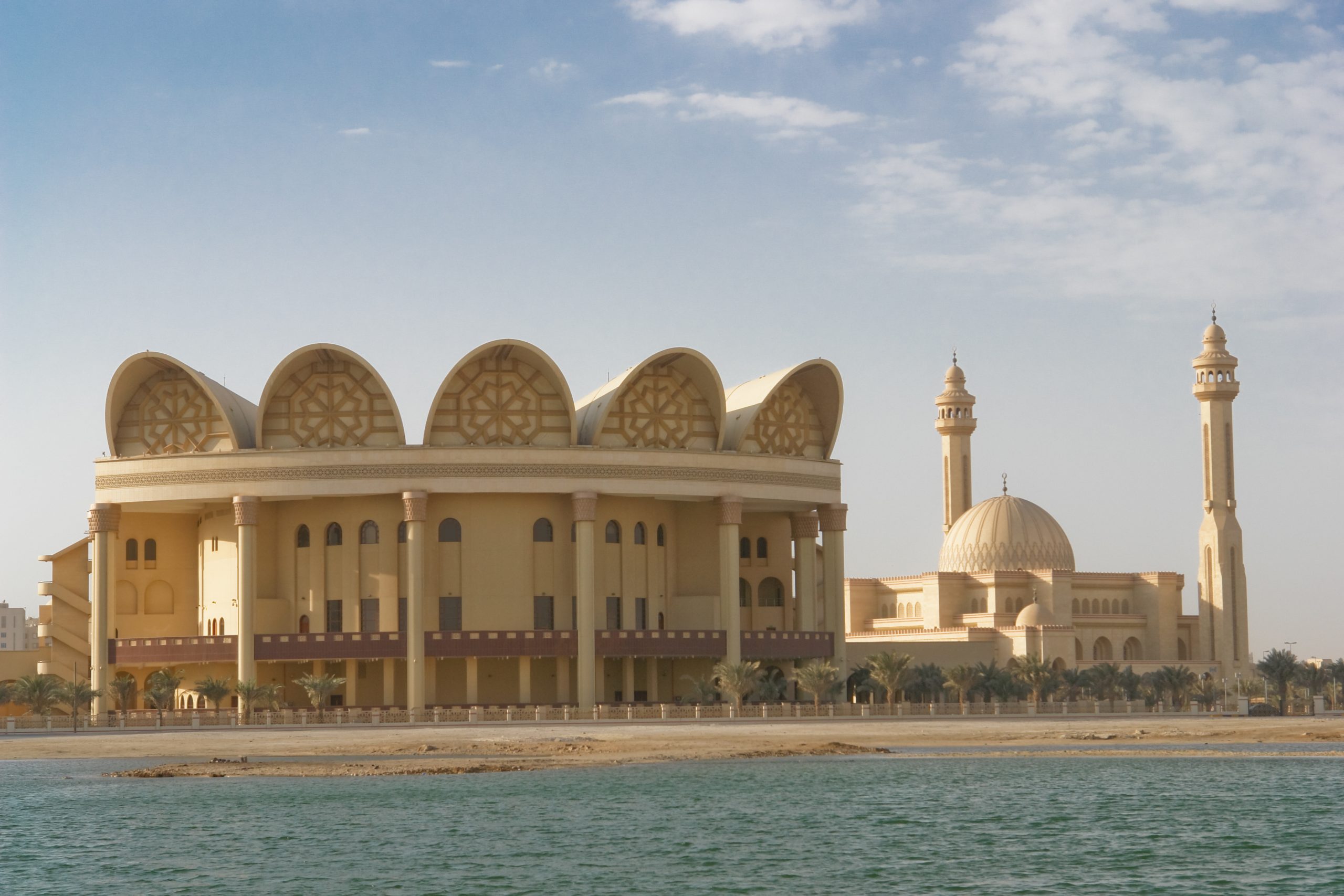
Kingdom of Bahrain

Friday, 13 June—Bahrain, like all GCC countries, condemned Israel’s attack on Iran, warning of threats to regional stability and calling for de-escalation and renewed diplomacy, including US-Iran nuclear talks. King Hamad was briefed by the Supreme Defence Council on the developments, and security measures were heightened, including a high alert for the Bahrain-based US Fifth Fleet. The Foreign Ministry advised citizens to avoid high-risk areas, and the national air carrier, Gulf Air, suspended flights to some areas, such as Iraq and Jordan.
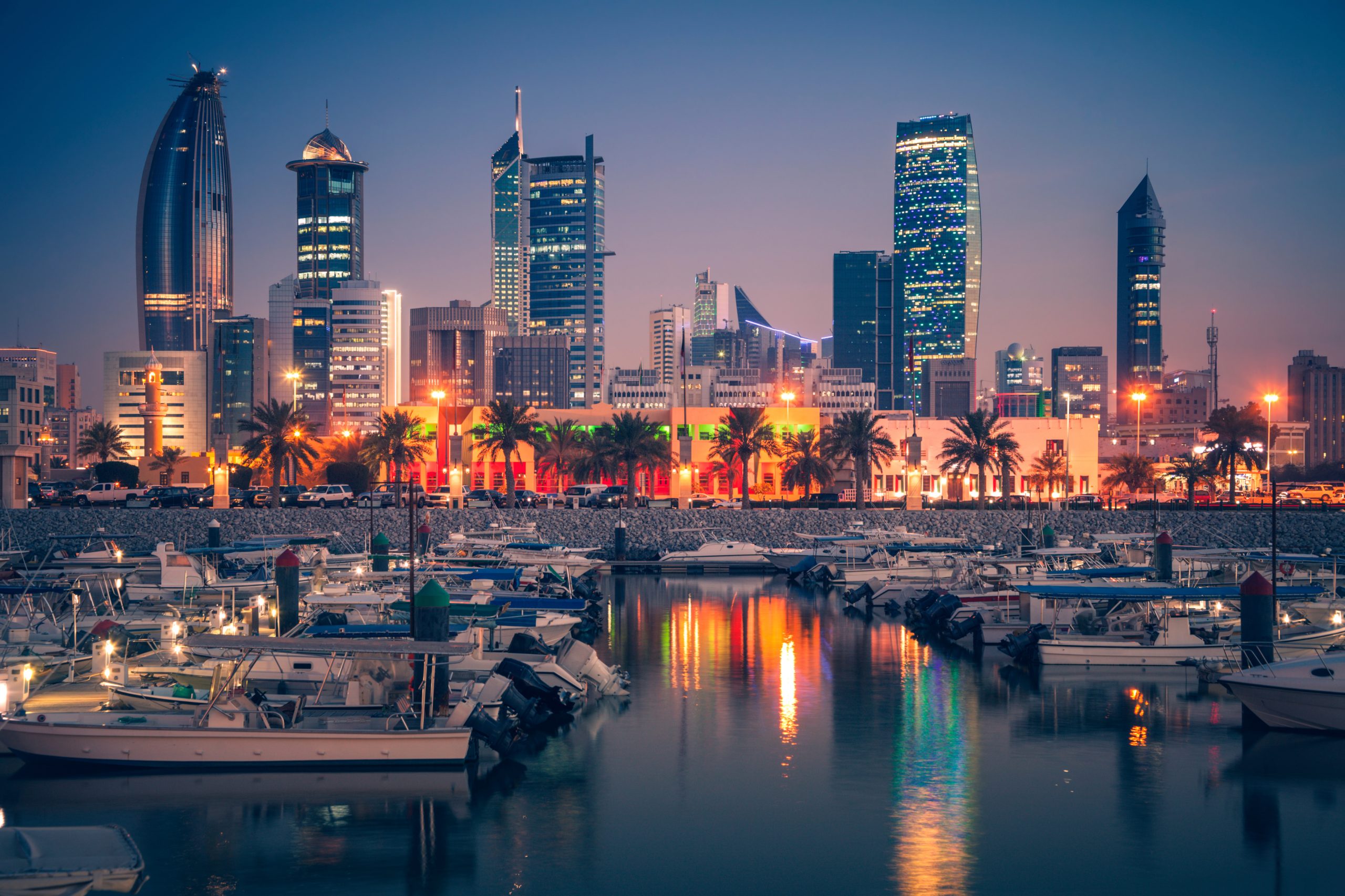
State of Kuwait

Monday, 16 June—Kuwait chaired the 48th GCC Extraordinary Ministerial Meeting, which condemned Israeli aggression against Iran and activated the GCC Emergency Management Centre amid potential nuclear risks. The Council urged a return to diplomacy, warned of nuclear risks, and called for a Gaza ceasefire and resumed US-Iran talks. It emphasised maritime security, regional stability, and compliance with international law, while assuring current environmental indicators remain safe despite high alert.
Sultanate of Oman

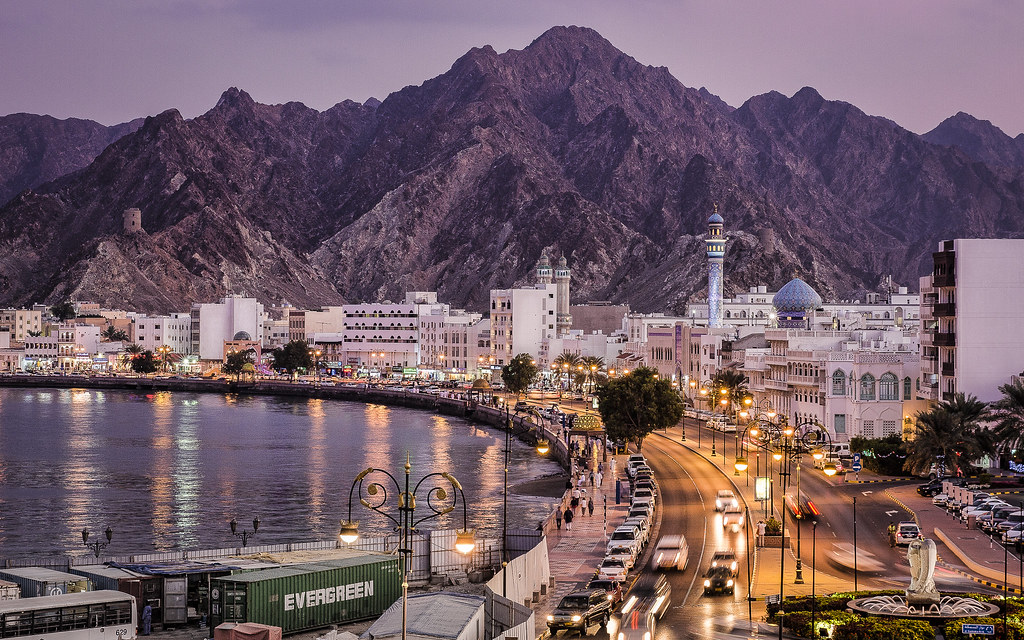
Saturday, 14 June—Oman’s Foreign Minister, Badr bin Hamad Albusaidi, announced the cancellation of Iran-US talks in Muscat due to the military escalation between Iran and Israel. While reaffirming Oman’s commitment to diplomacy, he condemned Israel’s attack on Iran as illegal and destabilising. Oman is reportedly drafting a ceasefire proposal to revive US-Iran nuclear talks.

State of Qatar

Tuesday, 17 June—Qatar confirmed stable gas production at the South Pars field, the world’s largest gas field, which it shares with Iran, following an Israeli airstrike that disrupted Iran’s output. It condemned the attack as reckless and warned of potential supply risks. QatarEnergy instructed LNG tankers to delay entry into the Gulf, resulting in minor delays. While exports from Qatar’s Ras Laffan continue as normal, the incident has raised concerns and contributed to rising gas prices in Asia and Europe.
Kingdom of Saudi Arabia

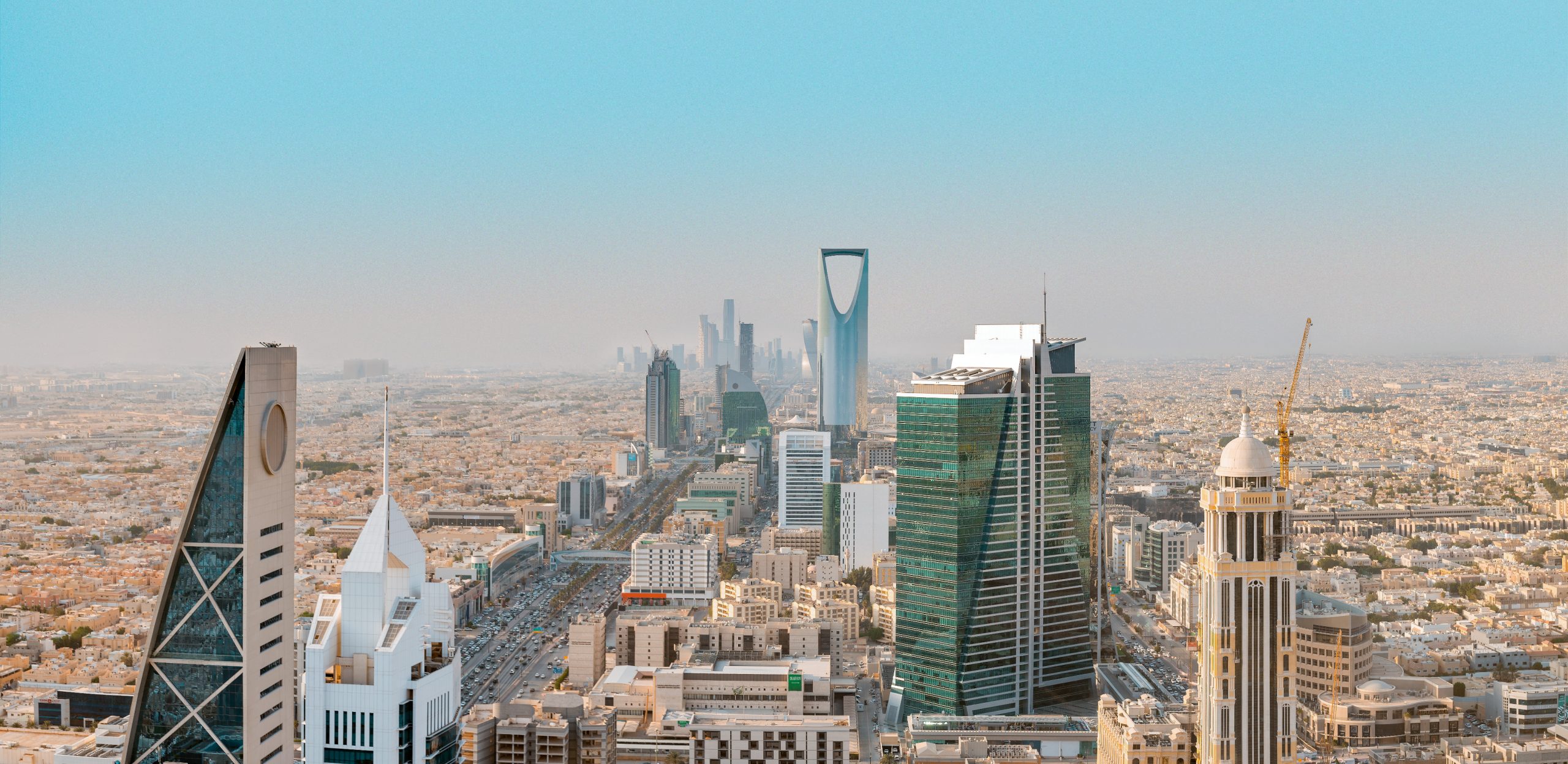
Friday, 13 June—Saudi Arabia strongly condemned Israel’s attacks on Iran, describing them as a violation of international law and a threat to Iran’s sovereignty and security. The Kingdom urged the international community and the UN Security Council to take immediate action to stop the ‘aggression.’
Tuesday, 17 June—Saudi Arabia and France, co-chairs of the UN High-Level Conference on Palestine, voiced deep concern over the Israel-Iran escalation and announced the event’s suspension. They reaffirmed their commitment to the two-state solution and urged calm, respect for international law, and renewed diplomacy. While the high-level segment was postponed, roundtables will proceed to support peace efforts. The co-chairs called for urgent action to end the Gaza war and secure lasting regional peace and stability.
United Arab Emirates

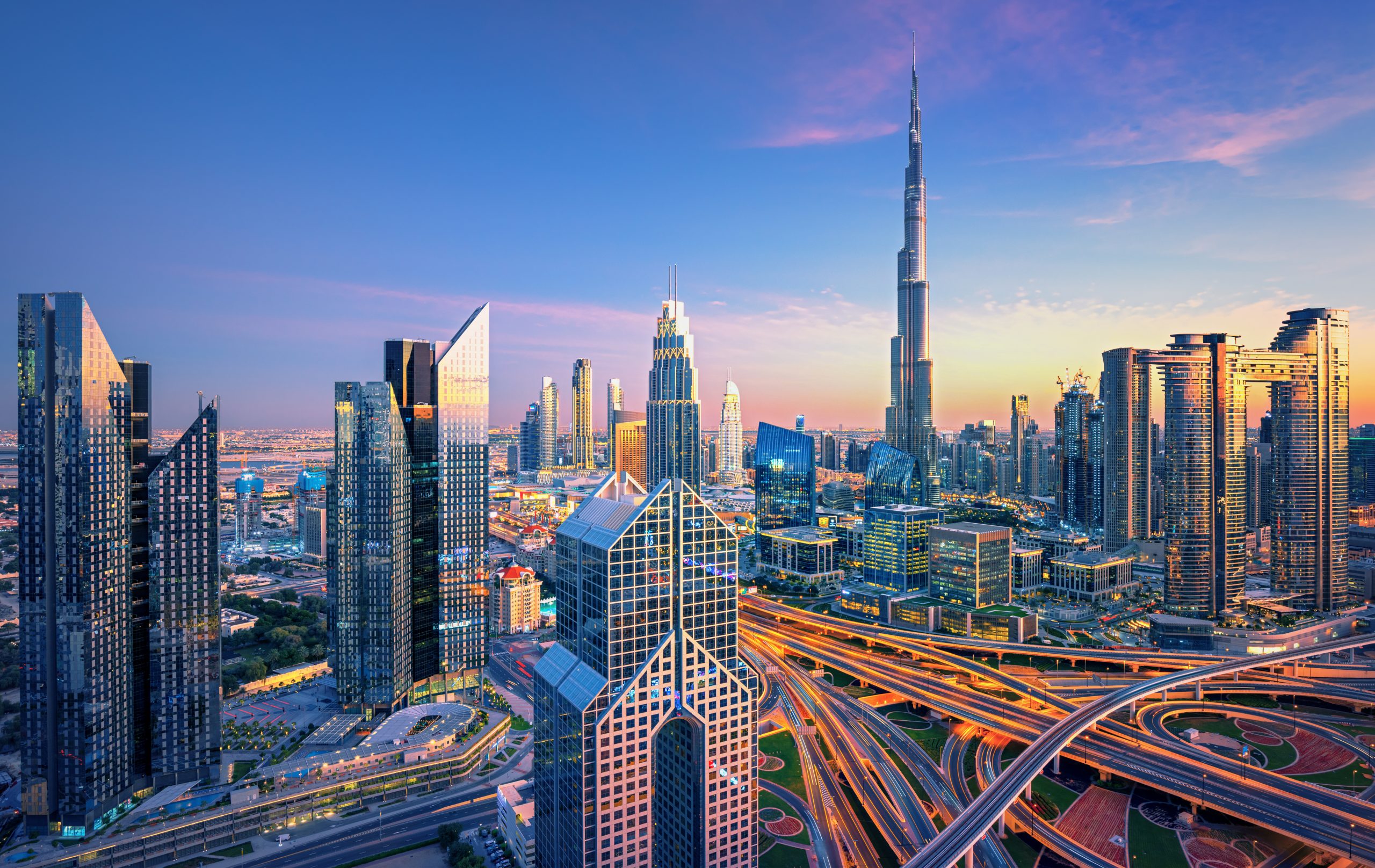
Wednesday, 11 June—The UAE and Saudi Arabia plan to import 2 gigawatts of electricity each from India via undersea cables. The 1,700 km cable to Saudi Arabia is expected to cost $5.5 billion, while the 1,400 km cable to the UAE should cost around $5.1 billion.
Tuesday, 17 June—UAE Foreign Minister, Abdullah bin Zayed Al-Nahyan, called for urgent diplomatic efforts to halt the military escalation between Israel and Iran, warning of serious regional and global consequences and urging the UN and Security Council to work toward a ceasefire. The UAE condemned Israel’s actions from the outset and emphasised that only political solutions can ensure lasting stability.
EU Corner
Saturday, 14 June—The EU expressed deep concern over the escalating Israel-Iran conflict, warning of serious regional risks, including potential radioactive release. It reaffirmed support for regional security, including Israel’s, and urged restraint and respect for international law. The EU stressed that Iran must never obtain nuclear weapons and called out Iran’s Nuclear Non-Proliferation Treaty violations, while emphasising that lasting security can only be achieved through diplomacy, not military action.
Monday, 16 June—The G7, which includes the EU, reaffirmed support for Israel’s right to self-defence and regional security, condemned Iran as a key source of instability, and insisted Iran must never obtain nuclear weapons. It stressed protecting civilians and called for de-escalation, including a Gaza ceasefire. The G7 also pledged to monitor energy market impacts and coordinate with partners to maintain stability.
Tuesday, 17 June—The EU Foreign Ministers urged de-escalation amid Israel-Iran conflict, stressing restraint, adherence to international law, and a diplomatic solution to Iran’s nuclear programme. Ministers condemned Iran’s nuclear breaches, supported EU diplomatic efforts, and discussed the impact of the crisis on energy market. The EU activated civil protection for evacuations and maintains naval Operation Aspides against Houthi threats in the Red Sea. Ministers also reiterated focus on Gaza, calling for aid access, ceasefire, and hostage release.
Tuesday, 17 June—Jordan’s King Abdullah II addressed the European Parliament, warning that Israel’s expanded offensive on Iran risks regional and global escalation. He condemned attacks on civilians, illegal demolitions in Palestine, and the failure of international law in Gaza. He urged decisive global action, stressing that peace requires upholding international law and establishing a sovereign Palestinian state. The King called on Europe to lead morally, warning that inaction makes the world complicit in ongoing humanitarian abuses.
Key Official Visits & Contacts
Wednesday, 11 June—Saudi Foreign Minister, Faisal bin Farhan Al-Saud, held separate meetings with Egyptian Foreign Minister, Badr Abdelatty, and Iranian Foreign Minister, Abbas Araghchi, on the sidelines of the Oslo Forum 2025 in Norway. Talks focused on bilateral relations and regional and international developments, including the situation in Gaza and the West Bank.
Thursday, 12 June—In London, GCC Secretary General, Jasem Albudaiwi, met UK Business Secretary, Jonathan Reynolds, to discuss progress on the GCC-UK Free Trade Agreement. They reviewed key negotiation issues and reaffirmed their aim to finalise and sign the deal within 2025, emphasising shared commitment to boosting trade and investment ties.
Friday, 13 June—Qatar’s Prime Minister and Foreign Minister, Mohammed bin Abdulrahman Al-Thani, and France’s Europe and Foreign Affairs Minister, Jean-Noël Barrot, co-chaired their 3rd Strategic Dialogue in Paris, pledging closer ties in diplomacy, defence and counter-terrorism, trade, education, and humanitarian aid, among others. They condemned Israeli actions in Gaza, affirmed support for a two-state solution, and backed reconstruction in Syria, stability in Lebanon and renewed nuclear diplomacy with Iran. Qatar also reaffirmed its €10 billion investment commitment In key French sectors.
Friday, 13 June—Saudi Foreign Minister, Faisal bin Farhan Al-Saud, travelled to London to meet with the UK’s Secretary of State for Foreign, Commonwealth, and Development Affairs, David Lammy, to discuss regional security amid the Israel-Iran military escalation.
Friday, 13 June—Bahrain’s Foreign Minister, Abdullatif bin Rashid Al-Zayani, held separate phone calls with Jordanian, Moroccan, and Cypriot counterparts, as well as the British Minister of State for the Middle East and North Africa to discuss the military escalation between Israel and Iran and its impact on regional security and stability. They underscored the importance of de-escalation, restraint, and the continuation of US-Iran nuclear negotiations to help preserve regional peace.
Saturday, 14 June—Germany’s Foreign Minister, Johann Wadephul, visited Egypt, Saudi Arabia, Qatar, and Oman to discuss de-escalation and regional security. In Riyadh, he focused on Iran’s nuclear threat and the need for a Gaza ceasefire. In Doha, he urged Qatar to use its ties with Tehran to ease tensions, and discussed the situation in Gaza, including hostages. In Muscat, talks centred on diplomacy with Iran and the Houthis. Wadephul called on Iran to fully renounce its nuclear programme and confirm it has no ballistic missile plans that could threaten Israel or Europe.
Tuesday, 17 June—Abdulla bin Ahmed Al-Khalifa, Bahrain’s Minister of Transportation and Telecommunications, met with Philippe Tabarot, France’s Minister of Transport, on the sidelines of the Paris Air Show 2025 to discuss expanding cooperation in the aviation, transportation, and logistics services.
Tuesday, 17 June—Since the 13 June Israeli attacks on Iran’s military and nuclear targets, GCC leaders and officials have engaged in active diplomacy with counterparts in Iran, Europe, the US, across the Middle East, and beyond to help deescalate tensions and prevent a wider conflict. Tehran has reportedly asked Qatar, Saudi Arabia, and Oman to urge US President Trump to press Israel for an immediate ceasefire, offering flexibility in nuclear negotiations in return.