


5 Top Points
- Oman condemned the US and Israeli strikes on Iranian nuclear sites and denounced the regional escalation.
- Qatar intercepted Iranian missiles aimed at a US base, affirmed strong US-Qatar ties and expressed hope for a return to normal with Iran, as the Iranian President conveyed regret to the Qatari Emir over the attack.
- GCC Foreign Ministers condemned the Iranian missile strikes on Qatar and pledged full support and solidarity.
- GCC countries welcomed the ceasefire between Israel and Iran, announced by the US and brokered with Qatari mediation.
- The European Parliament President called for stronger EU-GCC and EU-UAE ties during her visit to Abu Dhabi.
‘Round and About the Gulf
Kingdom of Bahrain

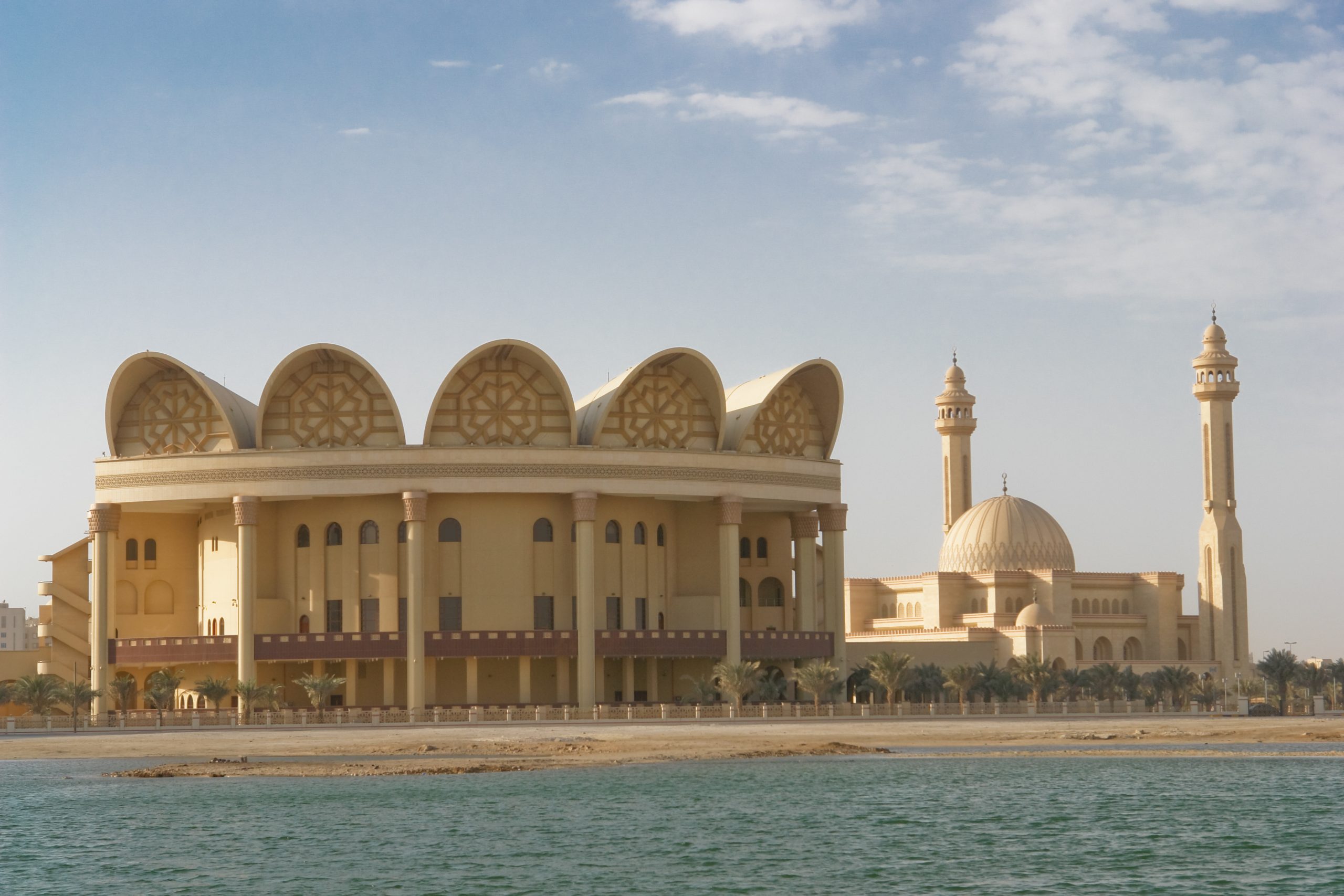
Monday, 23 June—Bahrain temporarily closed its airspace and sounded sirens across the country warning the citizens to stay cautious amid the Iranian ballistic missile attack on the US Al Udeid Base in Qatar. Authorities had earlier advised residents to use main roads only when necessary and directed schools and most government sector employees to operate remotely. Bahrain later expressed solidarity with Qatar and strongly condemned Iran’s missile strike, calling it a flagrant violation of Qatar’s sovereignty and international law, during a UN Security Council debate. Other GCC countries, such as Kuwait and the UAE, also temporarily closed their airspace and later condemned the Iranian attack.

State of Kuwait

Tuesday, 24 June—The GCC Foreign Ministers held the 49th extraordinary meeting of the Ministerial Council in Doha, chaired by Kuwait’s Foreign Minister Abdullah Ali Abdullah Al-Yahya, to discuss Iran’s missile strikes on Qatar. The Council condemned the 23 June attack, carried out by the Iranian Revolutionary Guard Corps, as a serious violation of Qatar’s sovereignty and international law. It expressed full solidarity with Qatar and support for any measures it may take to safeguard its security. Praising Qatar’s military response, the Council reaffirmed that any threat to one member state is a threat to all, and called for adherence to international legal principles and peaceful dispute resolution. All six GCC countries earlier also individually denounced the Iranian attack.
Sultanate of Oman

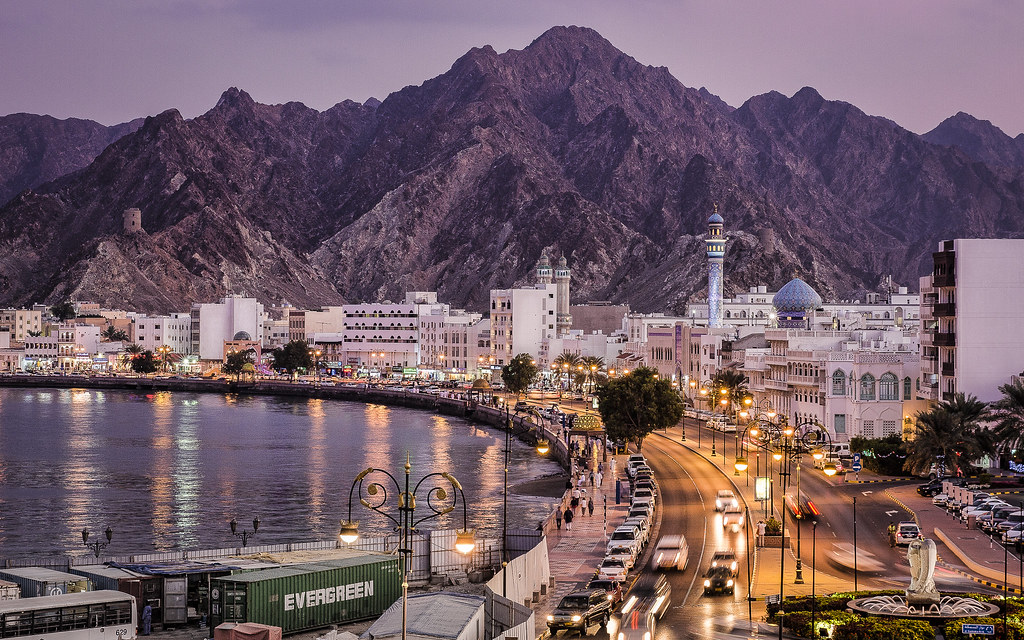
Sunday, 22 June—Oman’s Ministry of Foreign Affairs strongly condemned the US air strikes on Iranian nuclear sites and the wider regional escalation. The US strikes were labelled ‘illegal aggression’ and a ‘serious violation of international law and the UN Charter.’ Oman affirmed the right to peaceful nuclear programmes under IAEA oversight and noted that targeting nuclear facilities is prohibited under international protocols due to the risk of contamination and radiation. The next day, Oman condemned Israel’s June 13 strike on Iran and Iran’s retaliatory missile attack on Qatar, calling the targeting of a GCC member ‘unacceptable.’ Oman expressed solidarity with Qatar and called for a halt to military actions and a return to peaceful negotiations.

State of Qatar

Monday, 23 June—Qatar intercepted over a dozen Iranian missiles targeting the US Al-Udeid Air Base following US strikes on Iranian nuclear facilities; no casualties were reported. Qatari officials described the attack, carried out by Iran’s Islamic Revolutionary Guard Corps, as a surprise, though some reports indicated Iran had alerted both the US and Qatar in advance. Qatar later helped secure Iran’s agreement to a US-proposed ceasefire with Israel. Foreign Ministry Spokesperson, Majed Al-Ansari, blamed Israeli strikes for the escalation. Prime Minister Mohammed bin Abdulrahman Al Thani acknowledged the incident would leave a mark on Qatar-Iran relations, but affirmed the growing strength of the US-Qatari partnership and hoped for a return to normal ties with Iran.
Kingdom of Saudi Arabia

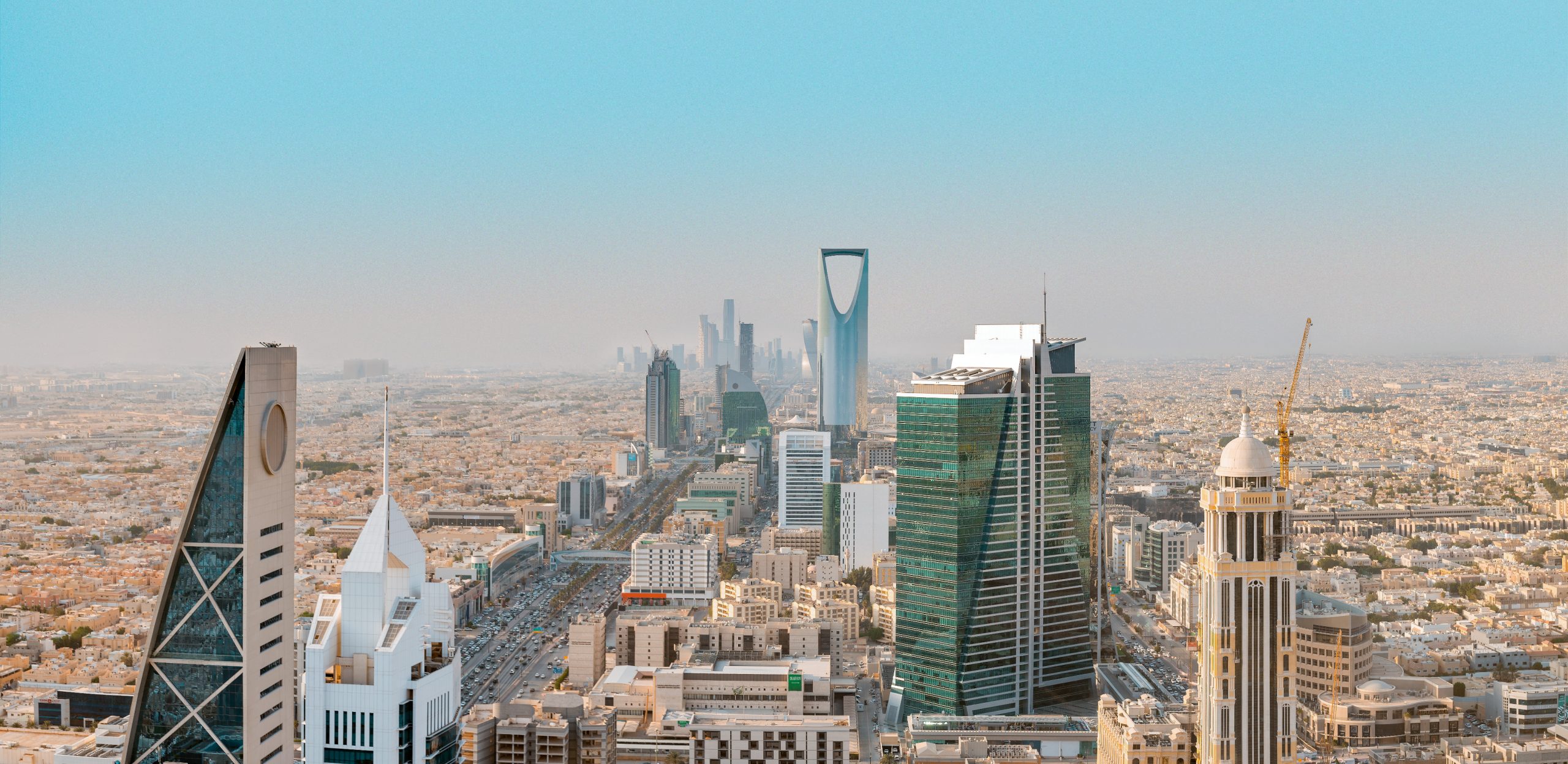
Sunday, 22 June—Saudi Arabia said it was following with deep concern the developments in Iran, particularly the US targeting of Iranian nuclear facilities. It condemned Iran’s subsequent attack on Qatar in the strongest terms, labelling it a clear violation of international law and pledged full support for Qatari measures in response. Shortly after, Riyadh welcomed the ceasefire between Iran and Israel, announced by US President Donald Trump, expressing hope it would reduce regional tensions and reiterating its support for a diplomatic resolution to conflicts.

United Arab Emirates

Friday, 20 June—The UAE established a new Ministry of Foreign Trade and appointed Thani bin Ahmed Al-Zeyoudi, who previously served as Minister of State for Foreign Trade, as Minister of Foreign Trade. The UAE also renamed the Ministry of Economy to the Ministry of Economy and Tourism, led by Minister Abdullah bin Touq Al-Marri.
Sunday, 22 June—The UAE has expressed deep concern over rising regional tensions and the targeting of Iranian nuclear facilities, calling for immediate de-escalation to avoid further instability. In a statement, the Ministry of Foreign Affairs urged prioritising diplomacy and dialogue to resolve disputes and promote stability, prosperity, and justice. It called on the international community to intensify efforts for a comprehensive resolution. The Ministry also urged the UN and Security Council to take serious action, warning that unresolved regional issues now pose a greater threat to peace. It emphasised negotiation and learning from past conflicts as essential to lasting solutions.
EU Corner
Friday, 20 June—Foreign Ministers from the UK, France, and Germany (E3), along with the EU High Representative, met Iranian Foreign Minister in Geneva to urge renewed nuclear talks and de-escalation. The E3 called on Iran to engage with the US, but Tehran insisted no talks would occur until Israeli strikes end. Iran reaffirmed that its defence capabilities are non-negotiable. The EU High Representative said Iran showed willingness to discuss its nuclear programme and wider security issues, including targeting EU nationals and hybrid attacks. Despite limited progress, all sides agreed to keep talking.
Monday, 23 June—European Parliament President Roberta Metsola, on her first official visit to the Gulf, addressed the UAE Federal National Council (FNC) in Abu Dhabi and met with GCC parliamentary leaders. She called for peace, diplomacy, and deeper EU-GCC collaboration. Metsola also met UAE Foreign Minister, Abdullah bin Zayed Al-Nahyan, to discuss regional developments and strategic ties. GCC Secretary General Jasem Albudaiwi proposed annual GCC-EU parliamentary meetings and highlighted the importance of Schengen visa exemption. Discussions covered upcoming events including the GCC-EU Ministerial Council in Kuwait (October), the Gulf-European Energy Conference in Brussels (November), and the second GCC-EU Summit in Saudi Arabia in 2026.
Tuesday, 24 June—The EU Foreign Ministers met in Brussels and reiterated calls for de-escalation and a diplomatic resolution regarding Iran, stressing that Iran must never be allowed to acquire nuclear weapons. On Gaza, the EU High Representative outlined EU priorities: restoring a full ceasefire, ensuring humanitarian access, and securing the release of hostages. She updated ministers on talks with Israeli officials and efforts to lift restrictions on aid. A review of Israel’s compliance with Article 2 of the EU-Israel Association Agreement was presented, marking the start of ongoing discussions.
Key Official Visits & Contacts
Thursday, 19 June—Bahrain’s Crown Prince Salman bin Hamad Al-Khalifa met UK Prime Minister Keir Starmer in London, announcing a £2 billion (€2.36 billion) investment partnership spanning financial services, clean energy, manufacturing, and technology. They also marked the UK’s accession to the Comprehensive Security Integration and Prosperity Agreement (C-SIPA), boosting trilateral cooperation with the US on regional security. The leaders welcomed a new Defence Cooperation Accord and reaffirmed their 200-year relationship. On the Middle East, both called for de-escalation and stronger regional ties to support stability, agreeing to maintain close dialogue.
Sunday, 22 June—The Organisation of Islamic Cooperation (OIC) announced the formation of a ministerial contact group to engage with international and regional actors in support of de-escalation efforts following US and Israeli strikes on Iranian nuclear sites. In a joint declaration after a meeting of its 57 Foreign Ministers in Istanbul, the OIC condemned Israel’s actions against Iran and called for urgent international measures to halt further attacks. A separate 13-article resolution condemned both Israeli and US strikes and expressed full solidarity with Iran, urging accountability for what it described as crimes committed by Israel.
Tuesday, 24 June—Iranian President, Masoud Pezeshkian, expressed regret to Qatar’s Emir, Tamim bin Hamad Al-Thani, in a phone call regarding the missile attack on the US Al Udeid Air Base in Qatar. Pezeshkian stated that the strike did not target Qatar or its population and did not represent a threat to the Gulf state.
Tuesday, 24 June—Saudi Crown Prince and Prime Minister, Mohammed bin Salman Al-Saud, reaffirmed the Kingdom’s support for resolving disputes through diplomacy during a phone call with Iranian President Masoud Pezeshkian, expressing hope that the Iran-Israel ceasefire would help restore regional stability and prevent further escalation.
Tuesday, 24 June—The Sultan of Oman and the King of the Netherlands, in a phone call, welcomed the ceasefire between Iran and Israel. They stressed the importance of consolidating the de-escalation and called for intensified regional and international efforts to end the conflict. Both leaders underscored the need to pursue dialogue and peaceful negotiations to safeguard lives, resources, and national interests, while promoting security and stability in the region and beyond.
Tuesday, 24 June—UAE President, Mohamed bin Zayed Al-Nahyan, and Austrian Chancellor, Christian Stocker, held a phone call to discuss Middle East developments, including the recent ceasefire between Iran and Israel. They stressed the importance of supporting peace efforts and expressed hope the ceasefire would lead to renewed dialogue and diplomacy. Both leaders affirmed that diplomatic engagement is essential for lasting regional stability. They also discussed enhancing UAE-Austria relations under their Comprehensive Strategic Partnership to promote mutual growth and prosperity.
Tuesday, 24 June—Over the past week, GCC leaders held talks with counterparts worldwide to de-escalate tensions stemming from the Israel-US-Iran exchange of attacks and to minimise the risk of radioactive fallout from strikes on Iranian nuclear sites. These efforts included calls with European leaders, including German Chancellor Friedrich Merz, UK Prime Minister Keir Starmer, Italian Prime Minister Giorgia Meloni, French President Emmanuel Macron, and EU High Representative Kaja Kallas, in which they stressed the importance of restraint, regional de-escalation, and resolving differences through diplomatic means.