


5 Top Points
- UK and allies signal recognition of Palestine: UK Prime Minister Keir Starmer announced the UK will formally recognise the State of Palestine at the UN in September unless Israel agrees to a ceasefire and a two-state solution.
- Saudi Arabia deepens economic ties with Europe: Saudi Arabia signed strategic agreements
with Italy and Spain to boost renewable energy investments and technology transfers, expanding cooperation under Vision 2030. - Qatar boosts Gaza humanitarian support amid war: Qatar established an emergency first aid station at its Sheikh Hamad bin Khalifa Hospital in northern Gaza to treat civilians injured in the ongoing conflict.
- Bahrain balances ties with support for Palestinians: Bahrain’s Crown Prince Salman bin Hamad Al Khalifa, in a meeting with the outgoing Israeli ambassador, reaffirmed Manama’s steadfast support for the Palestinian cause and a just, lasting solution upholding Palestinian rights.
- Kuwaiti finance minister resigns amid reform drive: Kuwait’s Finance Minister Noura AlFassam resigned her post, which she had held for one year. An Amiri decree accepted Al-Fassam’s resignation with no official reason given, appointing Electricity Minister Sabeeh Al-Mukhaizeem as acting finance minister.
Round and About the Gulf
Kingdom of Bahrain

Tuesday, 29 July – Bahraini authorities announced a sharp crackdown on narcotics smuggling, reporting multiple drug busts and arrests as part of the Kingdom’s intensified anti-drug campaign. The government has stepped up interdictions of hashish and cocaine, aligning with GCC-wide efforts to combat illicit trafficking. Officials say the push aims to protect society from narcotics but comes amid international scrutiny of strict punishments.
State of Kuwait

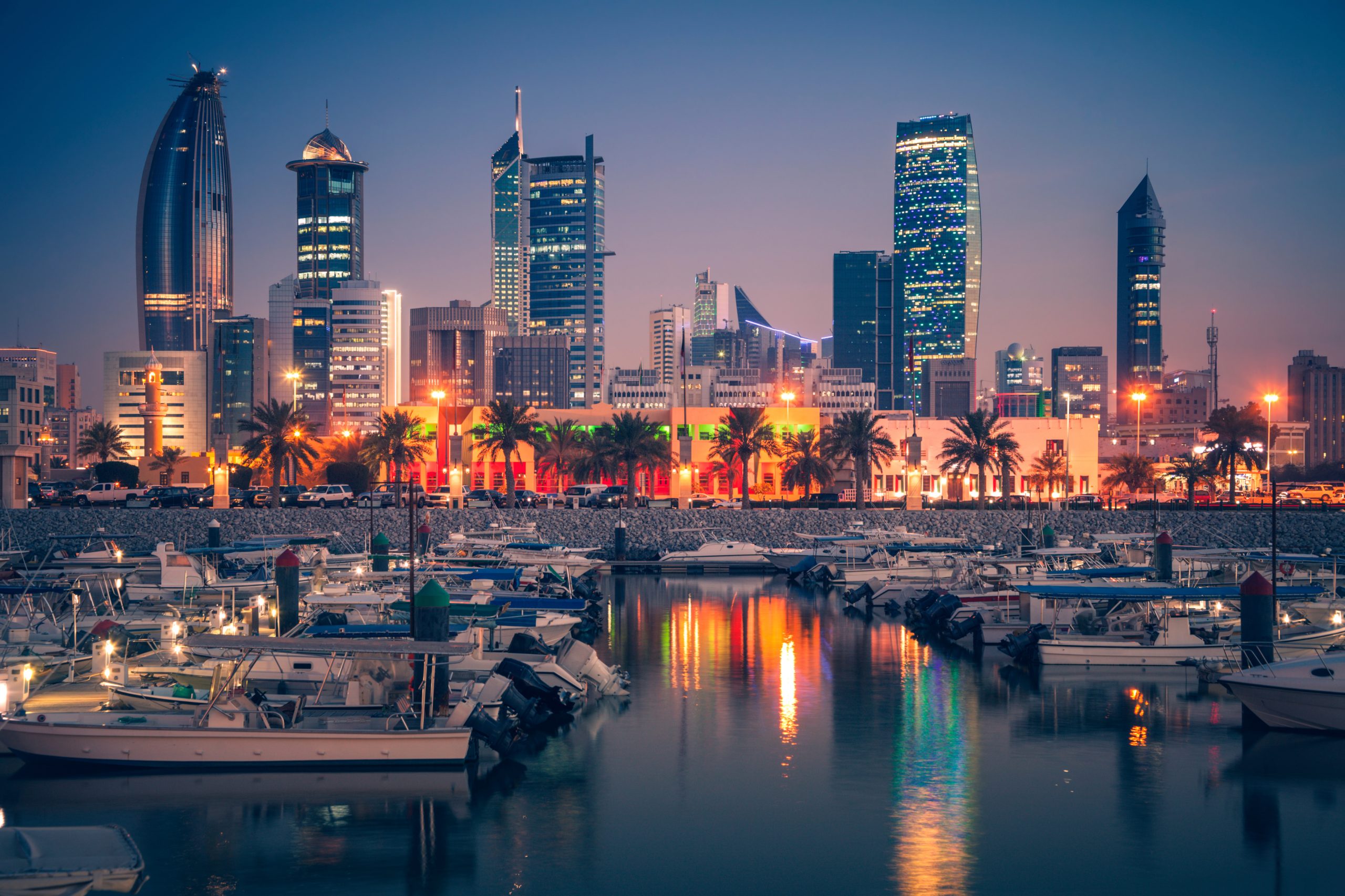
Monday, 28 July – Kuwait’s government was shaken by the resignation of Finance Minister Noura AlFassam, who spearheaded recent fiscal reforms. The Kuwaiti Cabinet confirmed the minister’s departure without stating a reason, and an interim finance chief was swiftly appointed. Al-Fassam had overseen Kuwait’s introduction of a global minimum tax on multinationals and new public debt legislation to diversify revenue beyond oil . Her exit, following a year in office, has prompted debate in Kuwait’s parliament over the future of these reforms and the stability of the economic team.
Friday, 1 August – Kuwait marked the 33rd anniversary of Iraq’s 1990 invasion with memorial events and calls for vigilance. Leaders paid tribute to those who resisted the occupation and stressed the importance of GCC unity against aggression. The somber remembrance comes as Kuwait continues to strengthen its defence and security cooperation with allies to deter any repeat of such trauma. In parallel, Kuwaiti humanitarian organisations reported delivering additional relief supplies to Gaza, reflecting Kuwait’s ongoing support for the Palestinian people during the current crisis.
Sultanate of Oman

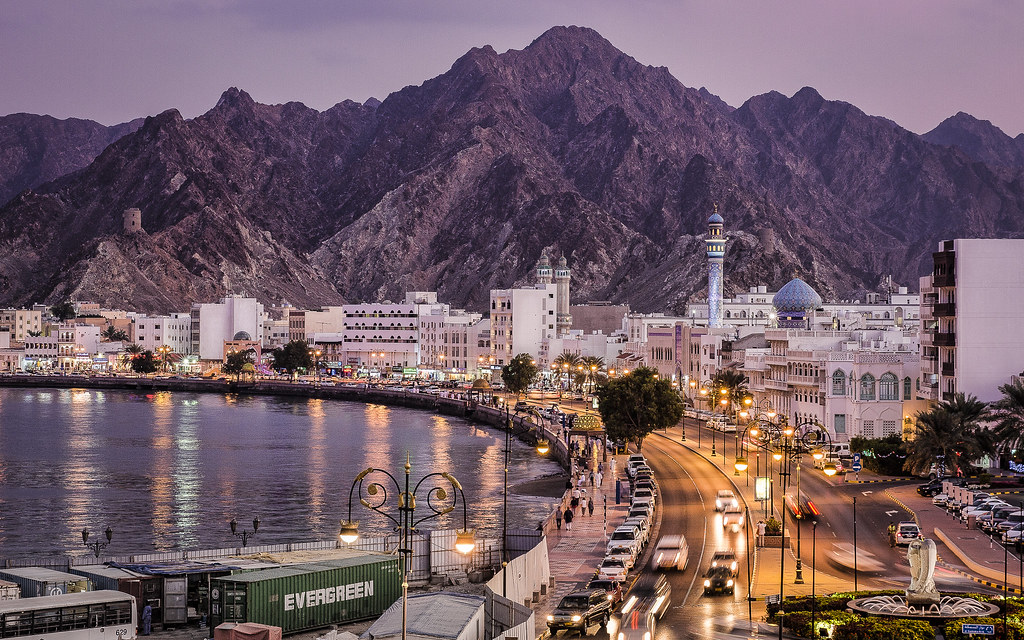
Wednesday, 30 July – Muscat welcomed signals from Europe on the Palestinian issue: the Omani government praised the UK’s decision to recognise Palestine as a sovereign state (conditional on an Israel ceasefire) as well as similar intentions by France, Canada and Malta. Oman’s Foreign Ministry called these steps ‘historic’ in sustaining hope for a two-state solution. Muscat reiterated its own longstanding support for Palestinian statehood and urged the UN Security Council to follow suit. The statements underscore Oman’s balanced diplomacy, maintaining friendly ties with all parties while championing Palestinian rights on the world stage.
State of Qatar

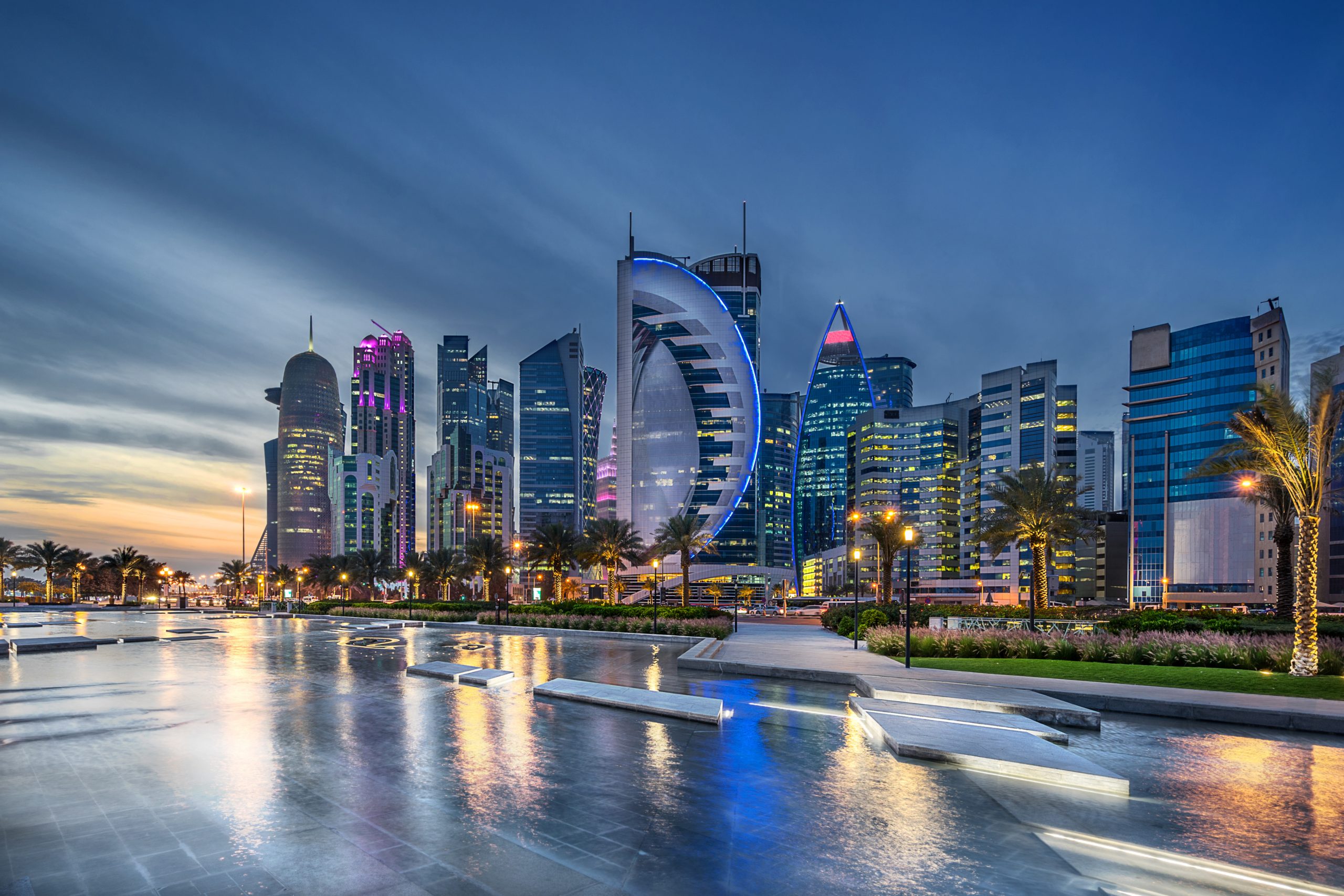
Sunday, 3 August – Qatari Energy Minister Saad Al-Kaabi warned that Doha may redirect LNG exports away from Europe in response to the EU’s new Corporate Sustainability Due Diligence Directive (CSDDD). In its talks with Brussels, Qatar argued the human rights and environmental supply-chain law infringes on national sovereignty and could jeopardise long-term gas contracts. While the EU offered minor revisions, Al-Kaabi deemed them insufficient. Qatar, which supplies over 12% of Europe’s LNG, signalled it will seek other markets if the directive proceeds unchanged. The standoff highlights tensions in EU-Gulf trade relations as Europe pursues stricter corporate responsibility rules.
Monday, 4 August – As Gaza’s humanitarian crisis deepened, Qatar opened a new first aid station at the Qatari-funded hospital in northern Gaza to treat war casualties. Operated by Qatar Fund for Development and staffed with specialised medics, the facility has already handled over 2,500 injuries in recent weeks. Doha officials highlighted that this emergency unit, unique in Gaza’s north, provides rapid trauma care and relieves overwhelmed hospitals. Qatar’s energy minister again implored the international community to ensure unimpeded delivery of aid and condemned any use of food and medicine as ‘weapons against the vulnerable.’
Kingdom of Saudi Arabia

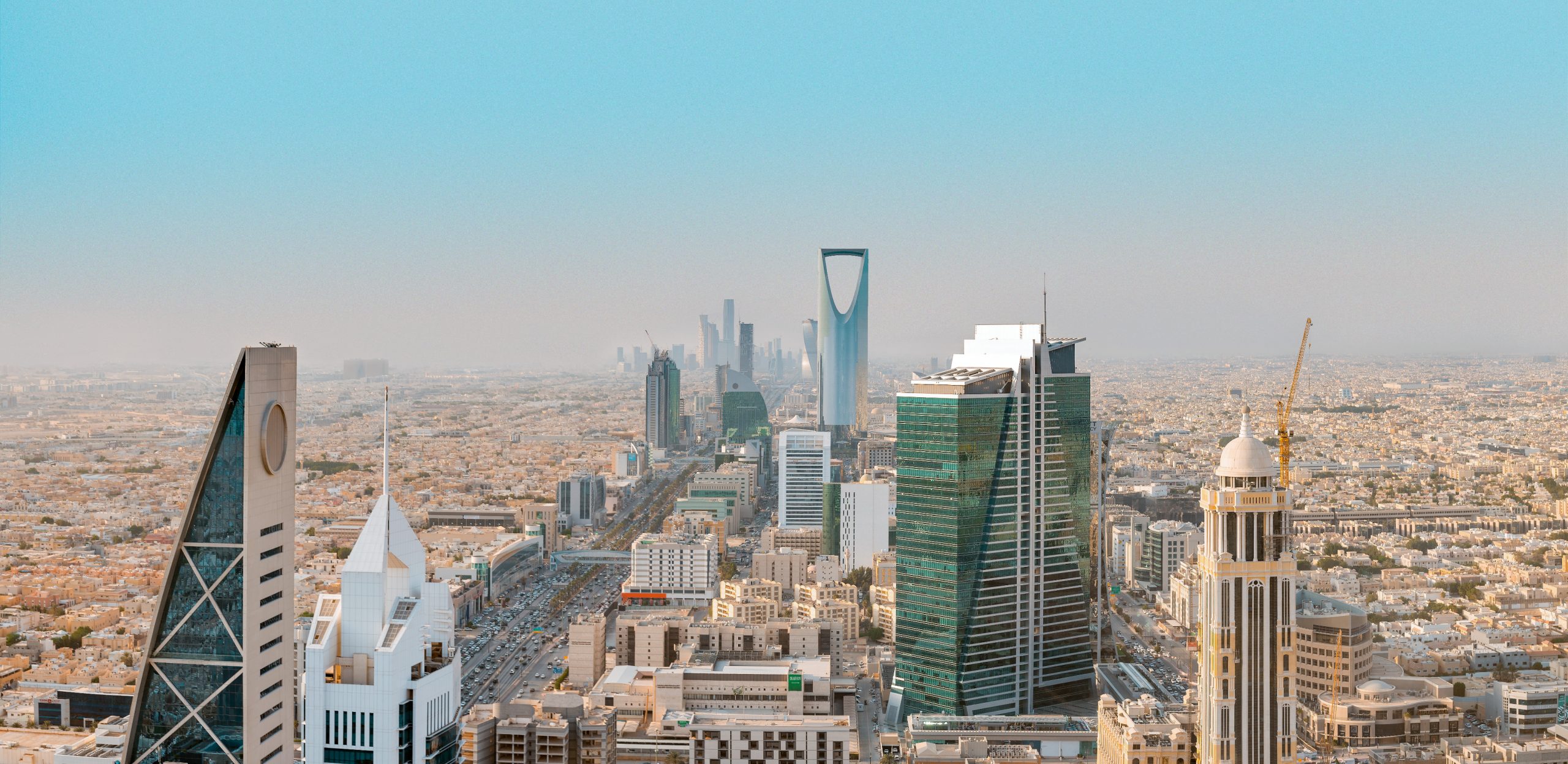
Saturday, 2 August – Saudi Arabia approved 6.4 billion USD in new reconstruction investments in Syria, following up on commitments made at a Damascus forum last week. Led by the Saudi private sector with government backing, the projects span real estate development, renewable energy, telecommunications and financial services in war-torn Syria. Riyadh also formally inaugurated a joint Saudi-Syrian Business Council to guide these ventures. The initiatives mark a major Saudi step in engaging with Syria’s economy after a decade of estrangement, and come on the heels of Syria’s readmission to the Arab League.
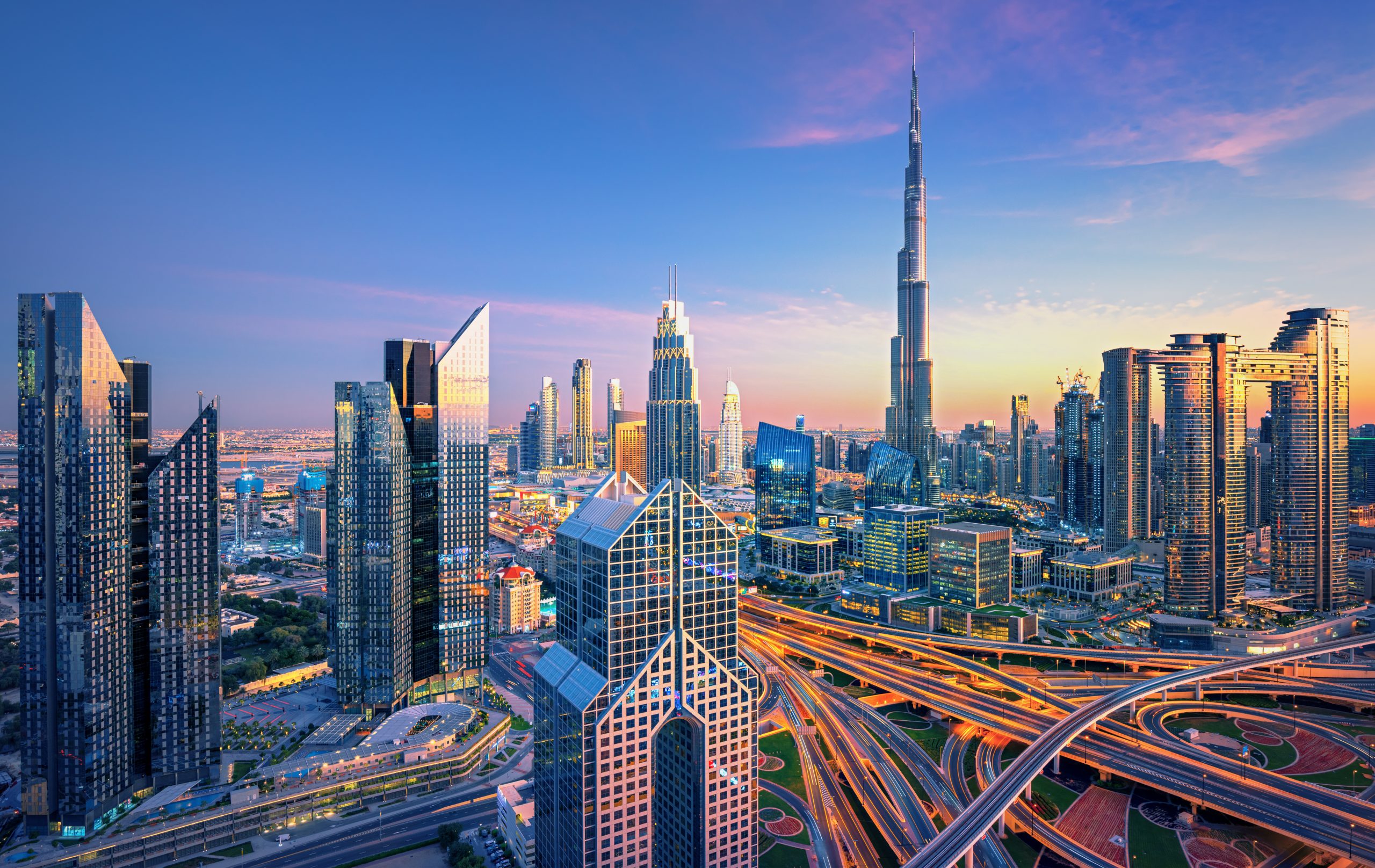
United Arab Emirates

Monday, 28 July – In a regional first for traditional banking, UAE’s Rakbank launched a regulated cryptocurrency trading service for retail clients. The mid-tier Emirati bank partnered with European exchange Bitpanda to offer customers the ability to buy, sell and custody digital assets like Bitcoin and Ethereum. The pilot programme, backed by UAE regulators, will roll out to select users ahead of a wider public launch. This move by a conventional bank into crypto underscores the UAE’s drive to position itself as a fintech hub with progressive rules, even as volatility and regulatory uncertainty persist globally in the crypto market. Industry analysts note the UAE’s approach could serve as a model for bridging traditional finance with digital assets in the region.
Wednesday, 30 July – The UAE expanded its strategic tech footprint abroad, with Abu Dhabi-based Space42 partnering with Microsoft and Esri on a landmark plan to map the African continent via satellite imagery and AI. Over five years, the consortium will produce detailed digital maps of all African nations, addressing data gaps that hinder development and investment. Space42 will generate high-resolution geospatial data and ‘digital twin’ simulations, while Microsoft provides cloud-AI infrastructure and US firm Esri oversees mapping software. The project aims to support African logistics, renewable energy siting and urban planning, as well as help governments manage borders and resources. It underscores the UAE’s emergence as a top investor and technology partner in Africa, complementing Emirati commitments of 44 billion USD to the continent last year.
EU Corner
Thursday, 31 July – Reflecting deepening economic ties with Saudi Arabia under Vision 2030, the European Commission welcomed strategic renewable energy agreements signed between Saudi Arabia and European partners Italy and Spain. The agreements, announced during bilateral summits, promote significant joint investments in solar energy, green hydrogen, and sustainable infrastructure, bolstering Saudi Arabia’s role in Europe’s clean energy transition and reinforcing mutual commitments to global climate goals.
Monday, 4 August – Europe’s stance on the Israel-Palestine conflict notably shifted, with UK Prime Minister Keir Starmer announcing that the UK will formally recognise the State of Palestine at the UN General Assembly in September unless Israel commits to a ceasefire and a viable two-state solution. France, Canada, and Malta echoed similar positions. These announcements mark significant policy changes in Europe, welcomed by Gulf states as positive steps towards securing Palestinian rights and sustaining the prospect of peace.
Key Official Visits & Contacts
Tuesday, 29 July – Oman’s investment chief, Abdulsalam Al Murshidi, led a delegation to Mongolia, where he met Prime Minister Gombojav Zandanshatar to explore expanding bilateral investments. The visit, part of Oman’s drive to diversify partnerships in emerging markets, included talks on joint projects and trade, with both sides eyeing opportunities in mining, logistics and renewable energy. It marked the highest-level Omani visit to Mongolia to date, underlining Muscat’s growing economic
diplomacy in Asia.
Friday, 1 August – Iranian Foreign Minister Seyed Abbas Araghchi visited Oman, meeting with Omani Foreign Minister Sayyid Badr Al Busaidi in Muscat ahead of a planned new round of Iran-US nuclear talks. Araghchi’s trip. his second Gulf stop since Iran’s brief war with Israel in June, focused on discussing the framework for US-Iran negotiations that Oman has been quietly facilitating. While in Muscat, Araghchi also conveyed Tehran’s appreciation for Oman’s mediation and updated Omani
officials on Iran’s ceasefire with Israel.
Tuesday, 5 August – Bahrain’s Minister of Youth Affairs, Rawan bint Najeeb Tawfiqi, received Serbia’s Ambassador Tatiana Garčević in Manama to strengthen youth and cultural cooperation. The two discussed new exchange programmes and joint initiatives to connect young people in Bahrain and Serbia. Ambassador Garčević thanked Bahrain for its support and conveyed Belgrade’s readiness to enhance collaboration, especially following Serbia’s signing of a friendship agreement with the GCC.