


5 Top Points
- Saudi Arabia turbocharges AI infrastructure: Saudi Arabia’s National Infrastructure Fund and PIF-backed Humain announced up to 1.2 billion UDS to finance 250MW of new AI data centres, reinforcing Riyadh’s Vision 2030 push to diversify into advanced digital industries.
- EU humanitarian pledge: the European Commission announced an initial 1.9 billion EUR humanitarian aid budget for 2026, underscoring the EU’s commitment to crisis regions. Notably 448 million EUR of this is earmarked for the Middle East (with emphasis on Gaza, Iraq, Yemen, Syria and Lebanon).
- Bahrain-US strategic pact: Bahrain’s Foreign Ministry announced that Foreign Minister Abdullatif Al Zayani met US officials in Manama and signed a critical minerals cooperation framework. The deal, part of broader US-GCC partnerships, will cover mining, processing and refining of strategic minerals to secure supply chains.
- Omani energy deals: Oman’s state-owned Nama Power and Water signed 2.6 billion USD of PPAs with consortia led by Qatar’s Nebras Energy and Korea Western Power. These contracts (for 1,700 MW in Misfah and 877 MW in Duqm) use advanced gas-turbine technology to boost grid stability and cut emissions.
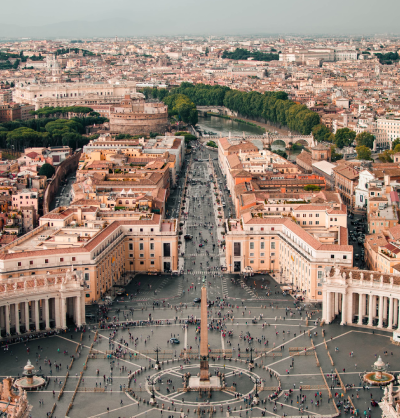
- Italy-UAE visit: Italian President Sergio Mattarella began a state visit to the UAE aimed at deepening ties. He met President Sheikh Mohamed bin Zayed to explore partnerships in economy, energy, space and cultural exchange.
‘Round and About the Gulf’
Kingdom of Bahrain

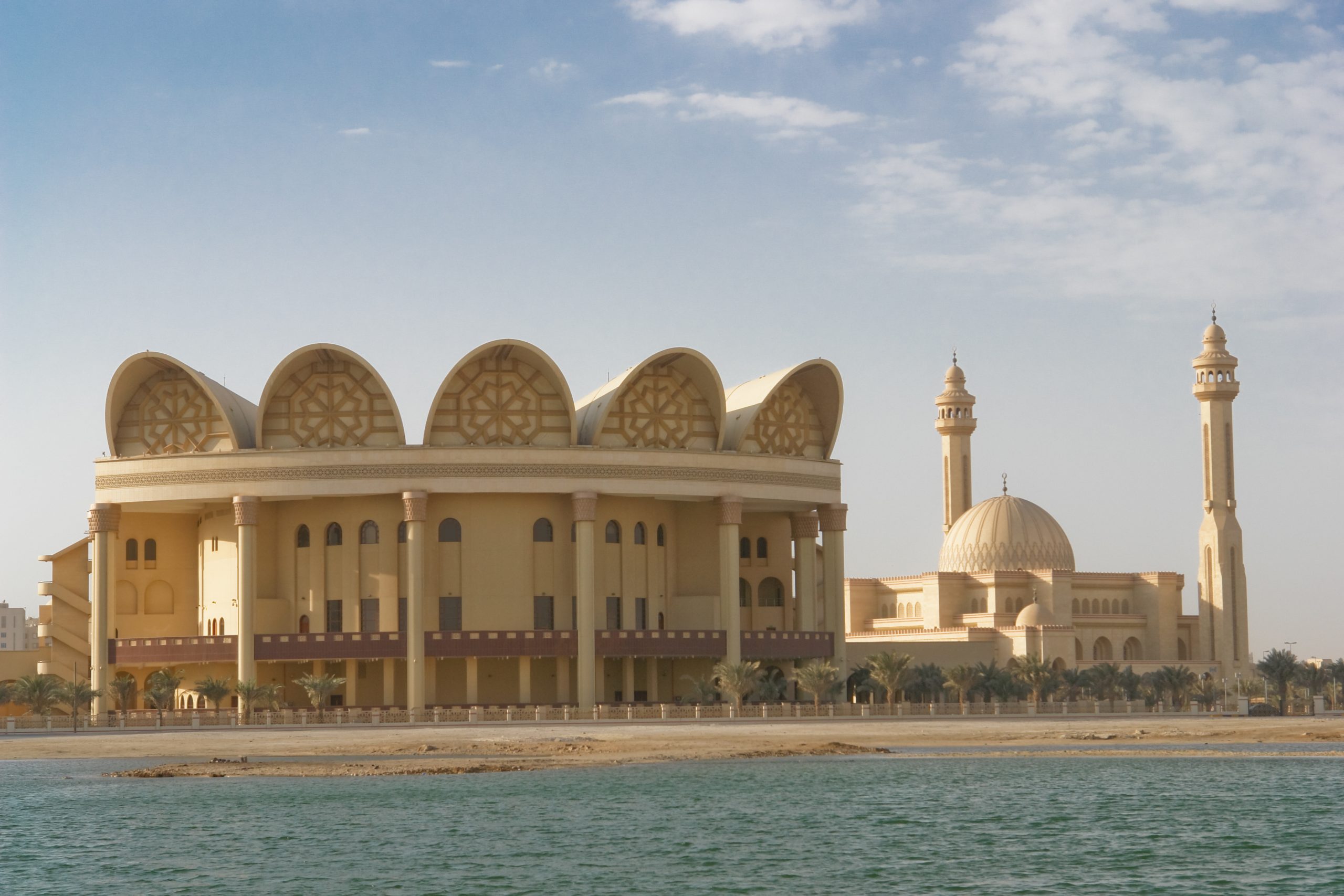
Friday, 26 January – Foreign Minister Al Zayani hosted US Under Secretary for Political Affairs Alison Hooker in Manama. They reviewed bilateral ties and Bahrain’s role in regional diplomacy, and signed a framework for cooperation on critical minerals . The pact aims to secure supplies of metals by collaborating on mining, processing and refining. Al Zayani noted that Bahrain and the US continue to deepen their strategic partnership through agreements in trade, security and investment.
State of Kuwait

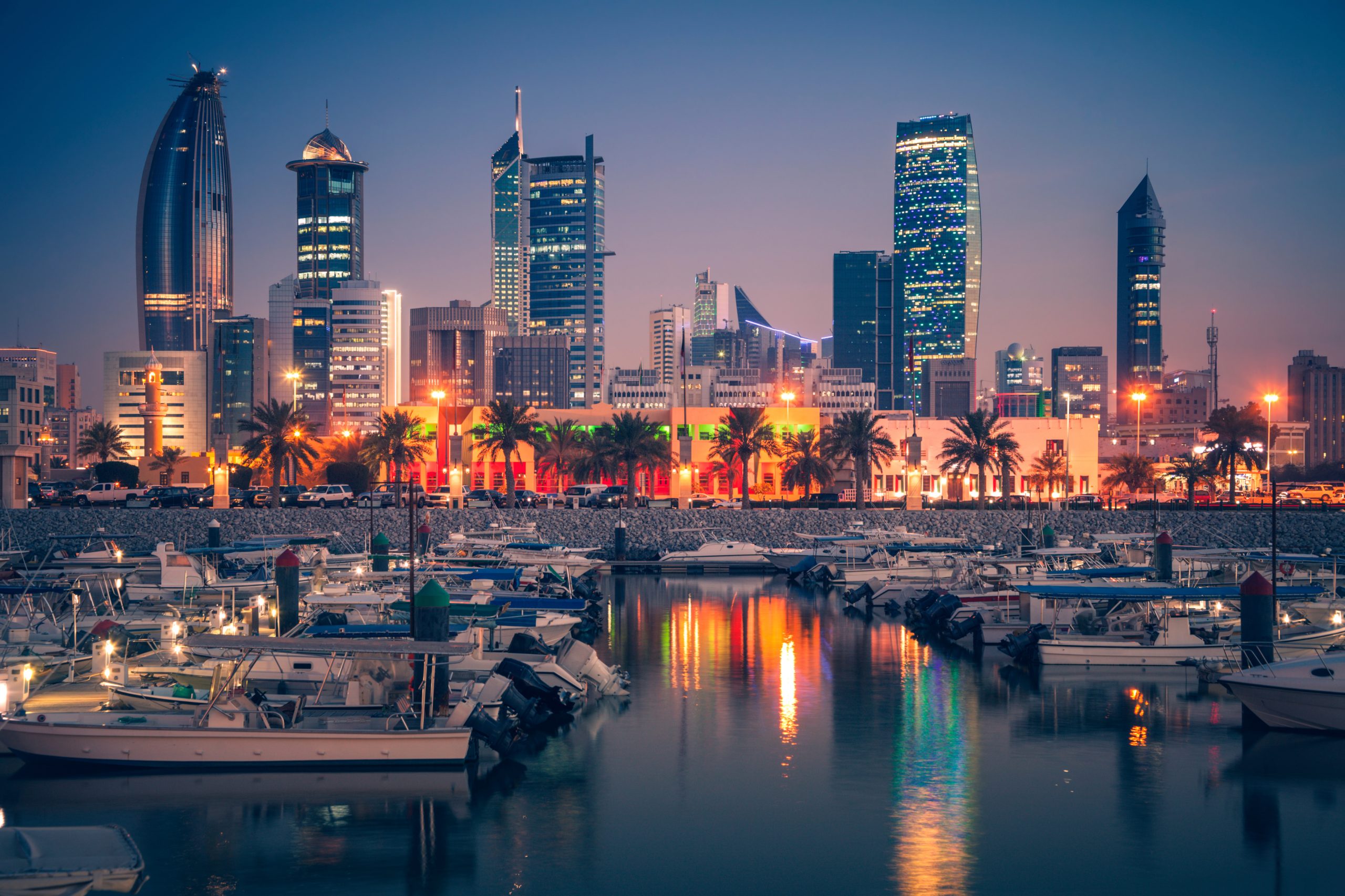
Wednesday, 21 January – Kuwait’s Cabinet advanced a domestic security and legislative agenda by approving a draft decree-law on combating terrorism crimes and a draft amendment to National Military Service legislation, reflecting Kuwait’s push to modernise its security framework.
Sunday, 25 January – Kuwait approved a 999.85 million KD contract with China State Construction Engineering Corporation for the Kabd North Sewage Treatment Plant, including construction and a 10-year commitment to operation and maintenance (one million m³/day capacity), set to be the country’s largest wastewater plant.
Sultanate of Oman

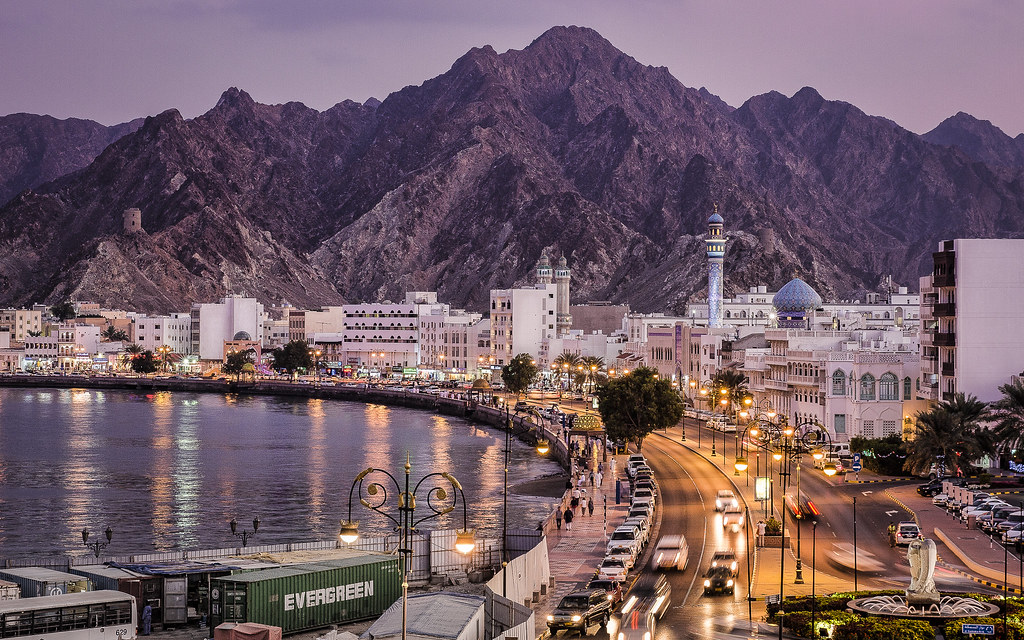
Thursday, 22 January – Oman’s Nama Power and Water Procurement signed 2.6 billion USD in power contracts with a Qatar-led and a South Korean consortium. The deal covers two combined cycle gas turbine plants (Misfah, 1,700 MW; Duqm, 877 MW) under long-term PPAs. These projects use advanced technology to improve efficiency and reduce emissions, bolstering Oman’s grid and supporting economic growth. Nebras Energy (Qatar) took significant equity stakes in both plants as part of the partnership.
State of Qatar

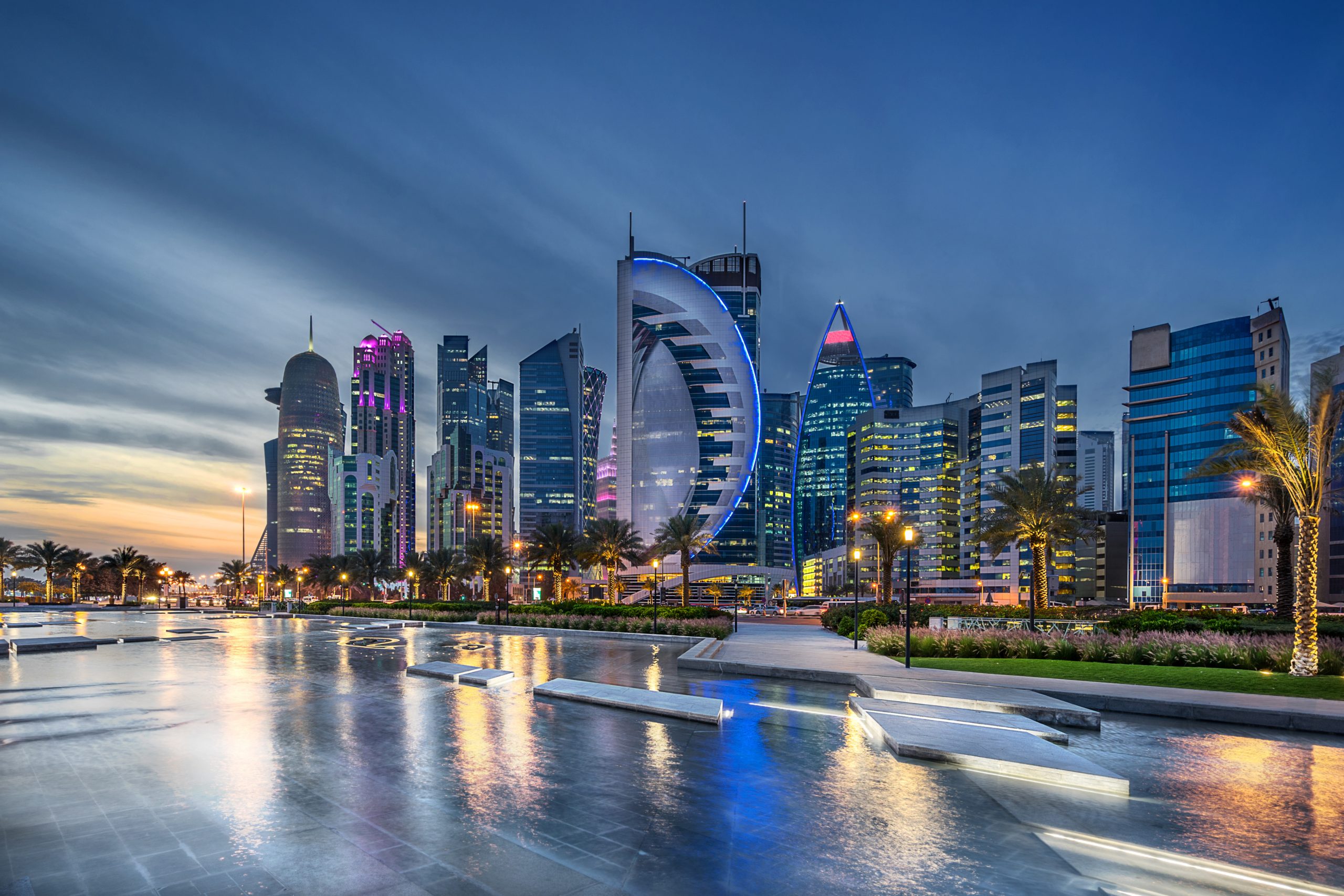
Tuesday, 26 January – Qatar’s National Planning Council launched a four-day National Workshop on Circular Economy Indicators. The workshop (co-organised with GCC-Stat and UNECE) brings together circa 80 officials and experts from 18 agencies to develop data-driven metrics for Qatar’s transition to a circular economy. It aims to measure and guide progress in areas like resource use, recycling, and sustainable development, aligning with Qatar’s environmental and economic goals.
Kingdom of Saudi Arabia

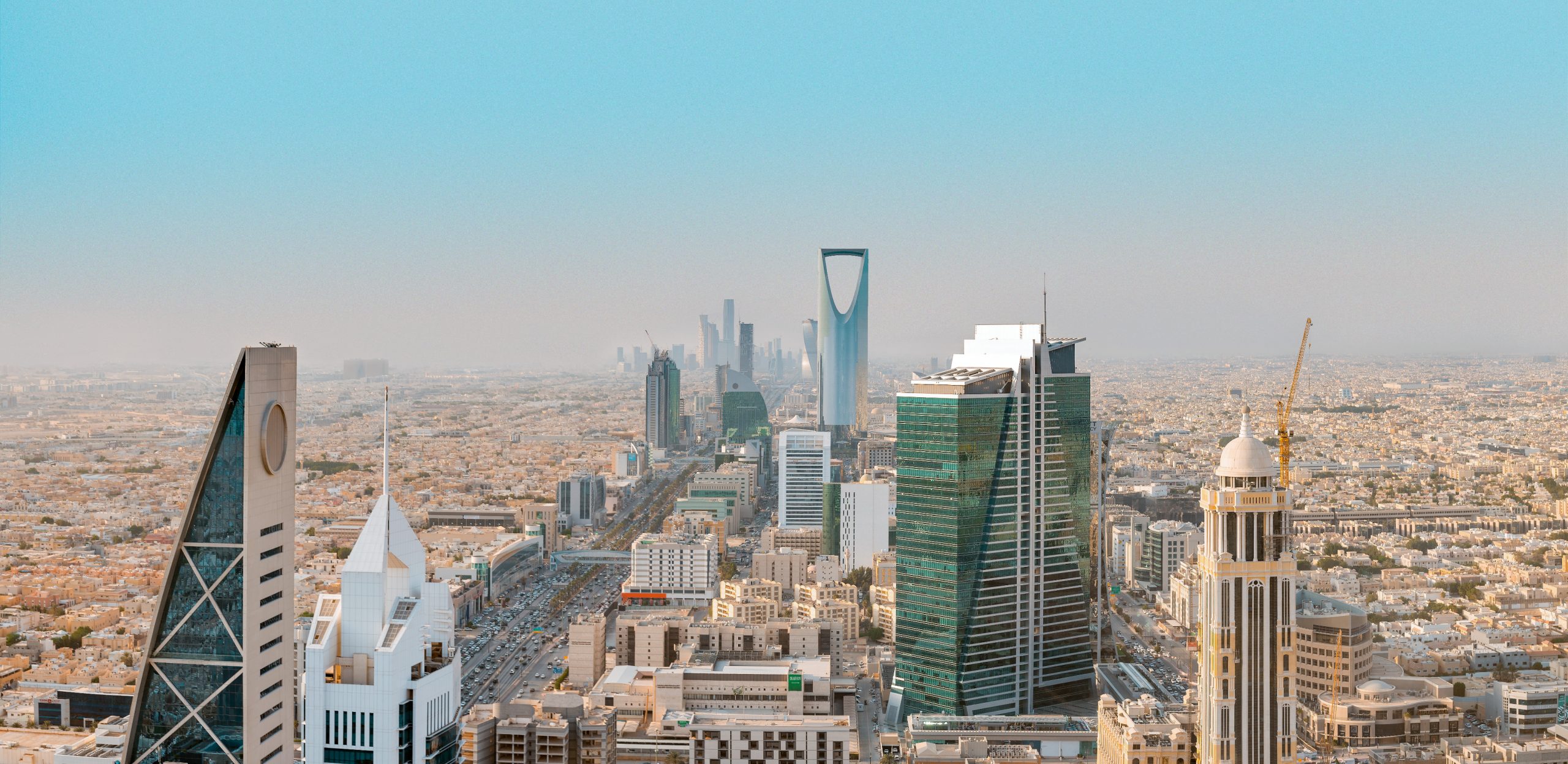
Wednesday, 21 January – Saudi Arabia’s National Infrastructure Fund and Humain (a PIF-owned AI company) announced up to 1.2 billion USD financing for new AI and digital infrastructure. The funding (announced at Davos) will support development of up to 250 MW of AI data centres in the kingdom. Riyadh is rapidly scaling up AI capacity, already securing deals with xAI and AirTrunk, as part of a Vision 2030 drive to diversify the economy away from oil.
Wednesday, 21 January – Riyadh Air (PIF-owned carrier) launched its cargo operations. The new ‘Riyadh Cargo’ unit will use capacity on over 120 Boeing wide-body jets on order to connect global markets via Riyadh. Riyadh Air projects over 100 destinations by 2030 and a roughly 20 billion USD annual contribution to non-oil GDP, supporting Saudi ambitions to become a global logistics hub.
Wednesday, 27 January – Riyadh has suspended work on the Mukaab megaproject (a cube skyscraper in central Riyadh). Soil excavation and foundational work have been paused as Saudi planners reassess the 50 billion USD project’s financing and scope. Saudi Arabia is shifting PIF investment away from futuristic builds toward infrastructure for Expo 2030, FIFA World Cup 2034, and tourism projects.
United Arab Emirates

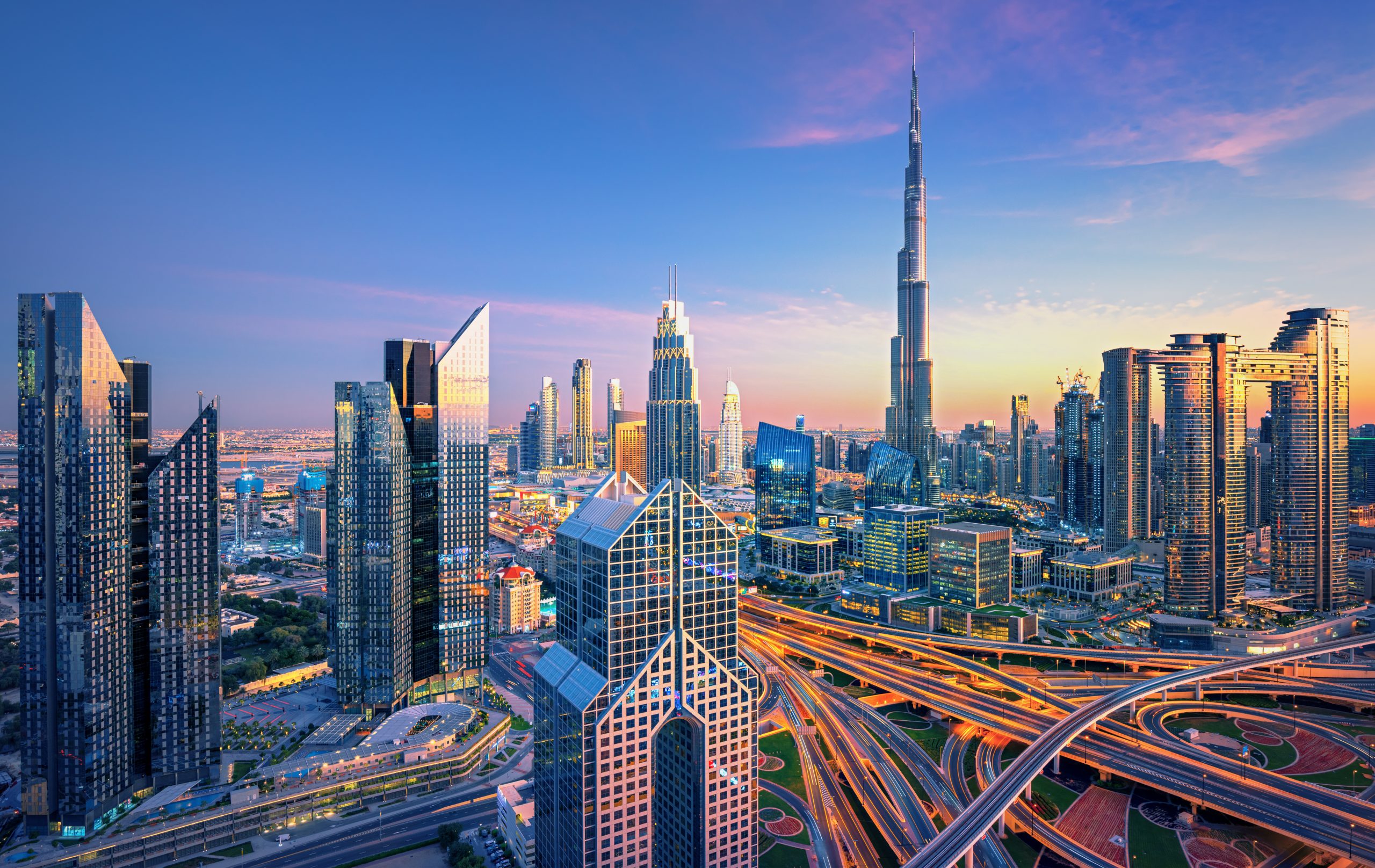
Monday, 26 January – The UAE Foreign Ministry officially ruled out any use of its territory for military action against Iran. A statement affirmed that UAE land, airspace and waters ‘will not be used for any hostile military operations against Iran’, and pledged to resolve conflicts via dialogue and international law. The clear stance comes amid US-Iran tensions and US suggestions of force, the UAE called on all parties to pursue peaceful dispute resolution.
EU Corner
Wednesday, 21 January – In Davos the European Commission announced an initial 1.9 billion EUR humanitarian budget for 2026. Commissioner Hadja Lahbib said this funding will support crisis-hit regions (food, shelter, health, education). Crucially, 448 million EUR is allocated to the Middle East (especially Gaza under the fragile ceasefire, plus Iraq, Yemen, Syria and Lebanon). The Commission is pushing for new public–private ‘blended finance’ approaches to meet soaring humanitarian needs, co-hosting a Davos event on ‘New Alliances in Aid’.
Wednesday, 21 January – Commissioner Lahbib issued a statement condemning Israel’s demolition of a UNRWA (UN refugee agency) compound in East Jerusalem. She urged Israeli authorities to respect the inviolability of UN premises under international law. The EU affirmed its continued political and financial support for UNRWA, noting that disrupting its operations ‘has significant humanitarian, political, and socio-economic repercussions’
Key Official Visits & Contacts
Friday, 23 January (Abu Dhabi) – Foreign Minister of Cyprus Constantinos Kombos paid a working visit to the UAE. He met UAE Foreign Minister Sheikh Abdullah bin Zayed Al Nahyan to review deepening bilateral ties. Discussions covered energy, investment and regional issues, coinciding with Cyprus’s upcoming EU Council Presidency. The visit saw signing of a UAE-Cyprus Energy Partnership Agreement (framework for cooperation on energy security, infrastructure and green solutions), and adoption of a new UAE-Cyprus Joint Action Plan covering political dialogue, economic and innovation partnerships, and institutional cooperation.
Monday-Tuesday, 26-27 January (Abu Dhabi) – Italy-UAE state visit: Italian President Sergio Mattarella began a state visit to the UAE, where he met President Sheikh Mohamed bin Zayed Al Nahyan to discuss deepening bilateral cooperation. Talks covered strengthening economic ties and expanding partnerships in energy, space, innovation and cultural exchange, reflecting the growing strategic and commercial alignment between Italy and the UAE.