

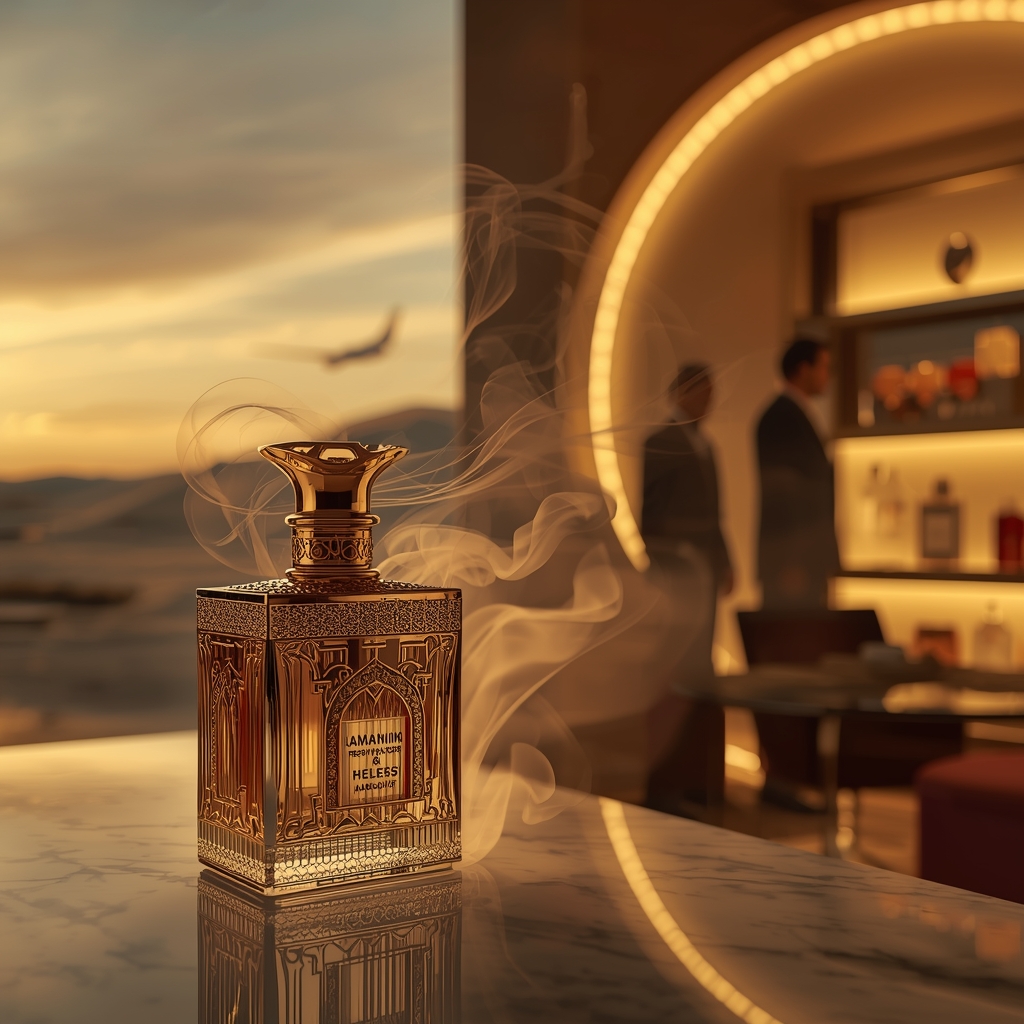


The Middle East, long regarded as the birthplace of fragrance, is no longer merely a consumer of well-known European perfume brands such as Hermes, it is rapidly emerging as a crucible for its own prestige brands. A leading example is Amouage, the Omani fragrance house that generated $430 million in 2025, an impressive annual revenue growth of 66%. The high cost of Amouage perfumes is due to their use of rare, high-quality natural ingredients like Omani frankincense and ambergris. They employ complex multi-layered compositions devised by top perfumers, along with meticulous artisanal craftsmanship, and luxurious packaging. These attributes compliment the brand’s heritage as the “Perfume of Kings” from Oman, contributing to exclusivity.
Aurélie Colin-Thévenet, editor-of-chief of the beauty newsletter Entente Cordiale explains how the Omani brand achieved such continuous success with products that retail above the 350 euros price point. “Amouage is an incredible success story for Middle Eastern niche perfumery,” she observes. “Their impressive growth is mainly due to their premium bestseller Amouage Guidance, which has achieved cult status with professionals and beauty influencers alike”.
Furthermore, Amouage has also invested in strategic retailing opportunities, creating a real immersive experience in stores and pop-up shops, which skilfully positions the products in the travel retail space. Aurelie highlights the fact that, “Amouage deploys all the strategic and marketing tools usually found in high fashion to carve a unique space for their brand, emphasising exclusivity, desirability and rarity”. She has personally experienced how the company capitalises on these methods, even in their 2B2 commercial endeavours. “At the latest Duty Free & Travel Global Summit, held in Cannes in October 2025”, she points out, “their success was such that they only had one individual tending the booth with samples because all the appointment slots were already snapped up and were taking place in the comfort of a suite in the Carlton Palace Hotel nearby (the film location for the Hitchcock classic To Catch A Thief, featuring Grace Kelly and Cary Grant).
The UAE is another Gulf country which has won acclaim for its domestically produced and highly popular perfume brand Ajmal Perfumes. Mixing different influences from the Middle East to the Far East, this brand has built a solid reputation for the purity of its oud (a rare and expensive resinous agarwood used in perfumes) and its amber (a warm, sweet resinous scent accord). Rather than relying solely on their craft, the company has fully embraced social media and e-commerce to ensure consumers are already familiar with their own perfume-making rituals before entering the store.
In comparison, leading European fragrance brands are now struggling. Hermes, for example, announced beauty and perfume sales down 14.6 per cent in the final quarter of 2025, compared with the same period in the previous year
Citizens across The Gulf – many of whom enjoy enviably generous incomes – are opting to switch from buying the ‘best’ European brands, such as Dior and Chanel, in favour of local emerging brands. Furthermore, The Gulf stands out as a buoyant duty-free retail market with 78% of Saudi travellers expressing strong confidence in duty-free value, in contrast with European consumers – a continent where less than half of UK or German travellers believe duty-free is better value than domestic retail outlets
This perception helps explain why Dubai Duty Free recorded a 6.6% growth in revenue in 2024. Indeed, total sales revenue generated by Dubai Duty Free airport amounted to a record breaking US $2.164 million in 2024, while data for the first eight months of 2025 set new sales records . Meanwhile, The Gulf market is driving innovation through interactive QR packaging, projected to expand from US$ 1.8 billion in 2025 to US$ 6.2 billion by 2031. Such advances promise tremendous potential across The Gulf’s rapidly evolving retail markets.
However, one crucial factor that should not be ignored, given the complexity of perfumery, is whether QR-enabled traceability can truly transform the industry at a structural level in this fast-changing regional market? Industry expert Aurélie Colin-Thévenet reckons that change is already afoot thanks to the skilled development of leading brands. “Amouage was again a pioneer in this respect”, she notes, “buying into the Aura blockchain consortium – co-owned by LVMH, Prada Group, Cartier (Richemont) and OTB Group”. The objective of this digital product passport is to achieve transparency about the sourcing of their ingredients coupled with delivering exceptional tailor-made ‘rituals’ for their clients worldwide.”
Significantly, Middle East investment houses now rank as important owners of well-known European retail stores. The Qatar Investment Authority (QIA) acquired Harrods back in May 2010, while the Saudi Public Investment Fund is a substantial shareholder in Selfridges – including its department stores De Bijenkorf in The Netherlands and the Brown Thomas and Arnott brands in Ireland.
In a vivid swing from the overall picture seen from a Gulf perspective twenty years ago, the contemporary scene is defined by Gulf investors who are among the most important owners of leading retail brands, along with the region’s creative business trailblazers who are stamping their own distinctive and successful footprint on the luxury perfume market. Accordingly, fragrance is rediscovering its historic roots.
Sources:
- Financial Times, 12 February 2026.
- TFWA, Duty Free & Travel Global Summit conference bulletin.
- TFWA, Duty Free & Travel Global Summit conference bulletin.