



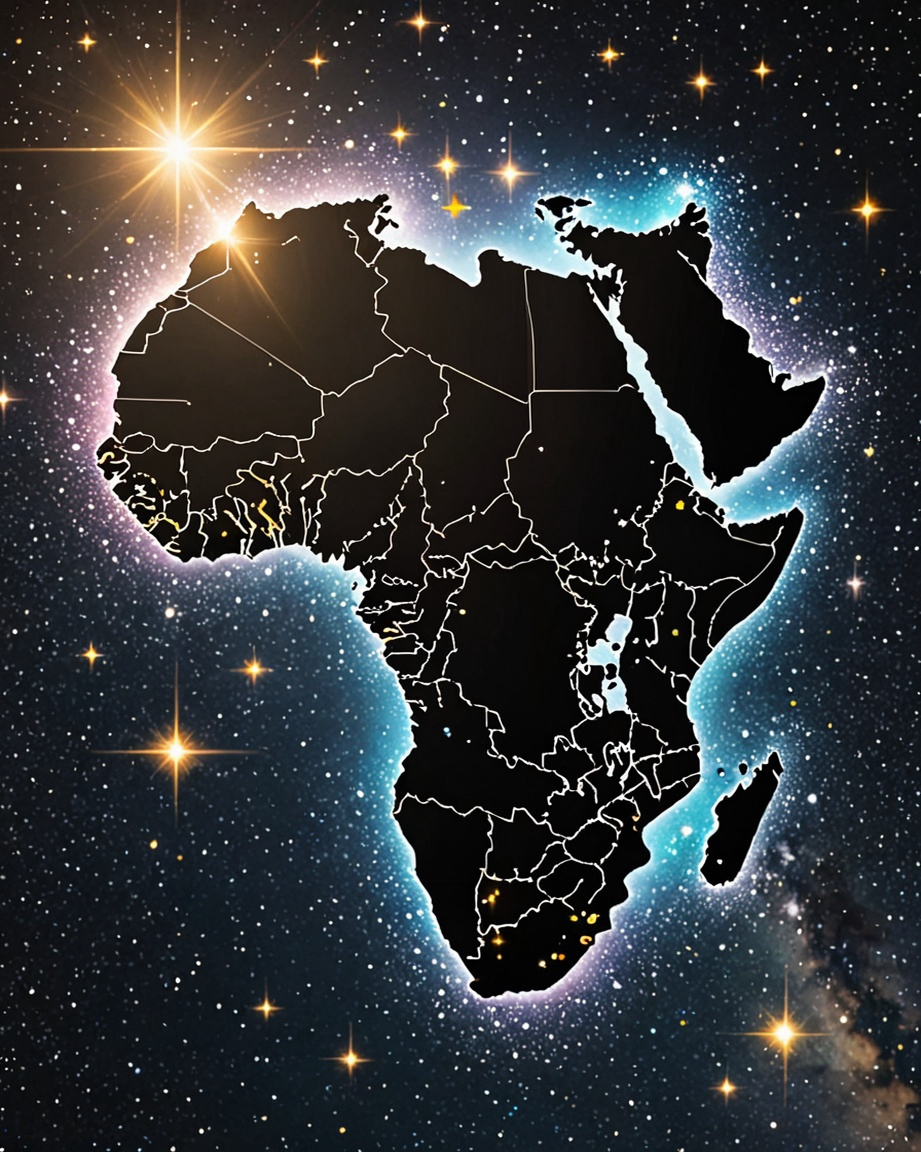


Africa today embodies the essence of an uncharted frontier—a continent full of immense promise yet shadowed by profound unpredictability. As the United States (US) contemplates scaling back aid, security commitments, and economic engagement under its ‘America First’ policy, the possibility of a US retreat has already begun to reshape Africa’s geopolitical dynamics. While such disengagement remains uncertain, the prospect has encouraged other global players to assert themselves. In this shifting landscape, the Gulf Cooperation Council (GCC) states are emerging as pivotal partners, offering a blend of strategic investments and shared aspirations that could help chart the continent’s road to prosperity—or exacerbate its vulnerabilities.
If the US were to reduce its role in Africa, it would leave a vacuum that global players, including China, Russia and the GCC, among others, would rush to fill. For the GCC, this represents an opportunity to deepen economic and strategic ties with a continent increasingly central to global growth. Over the past decade, GCC countries have collectively invested over $100 billion (USD) in Africa, focusing on key sectors such as infrastructure, agriculture, energy, and mining.
The UAE, for instance, leads with investments totalling $59.4 billion, including a 51% stake in Zambia’s Mopani Copper Mines and significant renewable energy projects across East Africa. Saudi Arabia and Qatar have similarly targeted sectors critical for both African development and Gulf sustainability, such as food security and clean energy. These investments align with Africa’s goals while addressing the Gulf’s strategic needs, creating a symbiotic relationship that could shape the future of both regions.
Even as US disengagement remains hypothetical, African states have already started shifting their strategies to prioritise self-reliance and regional cooperation. Initiatives led by the African Union are gaining momentum, reducing dependence on traditional Western powers and fostering internal resilience. In this context, the GCC’s engagement offers a complementary model, emphasising partnership over aid dependency. Gulf nations have actively supported infrastructure development, trade facilitation, and renewable energy projects, which are critical for Africa’s sustainable growth.
At the same time, the unpredictability of Africa’s journey cannot be overstated. The continent faces deep structural challenges, including fragile governance, environmental crises, and the lingering effects of global inequities. As African countries forge new alliances, partnerships with the GCC must be carefully managed to ensure they contribute to long-term self-reliance rather than fostering new dependencies.
While Europe remains a significant partner to Africa, its approach has often been criticised for lacking the agility and coherence displayed by other global players. Initiatives like the Global Gateway Africa-Europe Investment Package, aiming to mobilise €150 billion (euros) in investments, reflects Europe’s ambitions. However, bureaucratic hurdles and fragmented strategies among EU members have slowed progress, causing the EU to appear reactive rather than proactive in addressing Africa’s evolving needs. In contrast, the GCC states have seized the moment with a more streamlined and strategic focus, prioritising pragmatic investments that align closely with African development goals. This divergence underscores the shifting dynamics of global influence in Africa, where the GCC’s proactive engagement is gaining traction over the EU’s more measured, governance-focused model.
If the United States further reduces its presence, the GCC will find itself navigating an increasingly competitive landscape. China, through its Forum on China-Africa Cooperation (FOCAC), has already established itself as Africa’s largest trading partner, while Russia is expanding its security footprint in conflict zones like the Sahel. The GCC, however, offers a distinct approach by focusing on non-interventionist, strategic investments. This pragmatic stance positions GCC states as attractive partners for African countries seeking diversified alliances and new models of cooperation.
The potential decline of American soft power in Africa has also opened the door to alternative influences. While the US may remain a cultural force, African youth are increasingly looking beyond traditional Western ideals for inspiration and opportunity. GCC countries have taken steps to fill this void by fostering educational exchanges, technology partnerships, and climate resilience projects. These initiatives resonate with Africa’s young and ambitious population, strengthening ties that extend beyond economics to cultural and social collaboration.
The road ahead remains uncertain. The decisions made by African leaders, global powers, and regional players, like the GCC, will shape the continent’s trajectory, determining whether it thrives as a global powerhouse or struggles with enduring challenges. The GCC’s proactive investments and partnerships represent a crucial piece of this puzzle, offering both opportunities and risks. For the GCC, the possibility of a US retreat offers a chance to expand its influence and build lasting ties with Africa. Yet, as both regions navigate a rapidly changing global landscape, the success of these partnerships will depend on fostering mutual growth and resilience. Africa’s journey is not written in stone—it is a path being carved through bold steps and calculated risks. Whether this journey leads to prosperity depends on how well Africa and its partners navigate the challenges and opportunities of an uncharted future.