



Abstract: Multilateral relations between the EU27 and the 6 Members of the Gulf Cooperation Council found new impetus with their 16 October Summit. In addition to pressing international issues, the blocs discussed about climate change and environmental protection. These topics returned, internationally, to the forefront with the recent COP29 in Baku and, on a regional level, with the re-start of the activities of the EU-GCC Cooperation on Green Transition, which met most recently in November.
Keywords: GCC, EU, climate change, environment, partnership, COP29
At the recent Summit between the European Union (EU) and the Gulf Cooperation Council (GCC) in Brussels on 16 October 2024, the representatives of the 33 Member Countries of the two regional organisations discussed the environment, among other topics on the agenda. Particularly, of joint actions to combat climate change. Not an obvious theme, since these are States with different visions and, above all, different interests in this area.
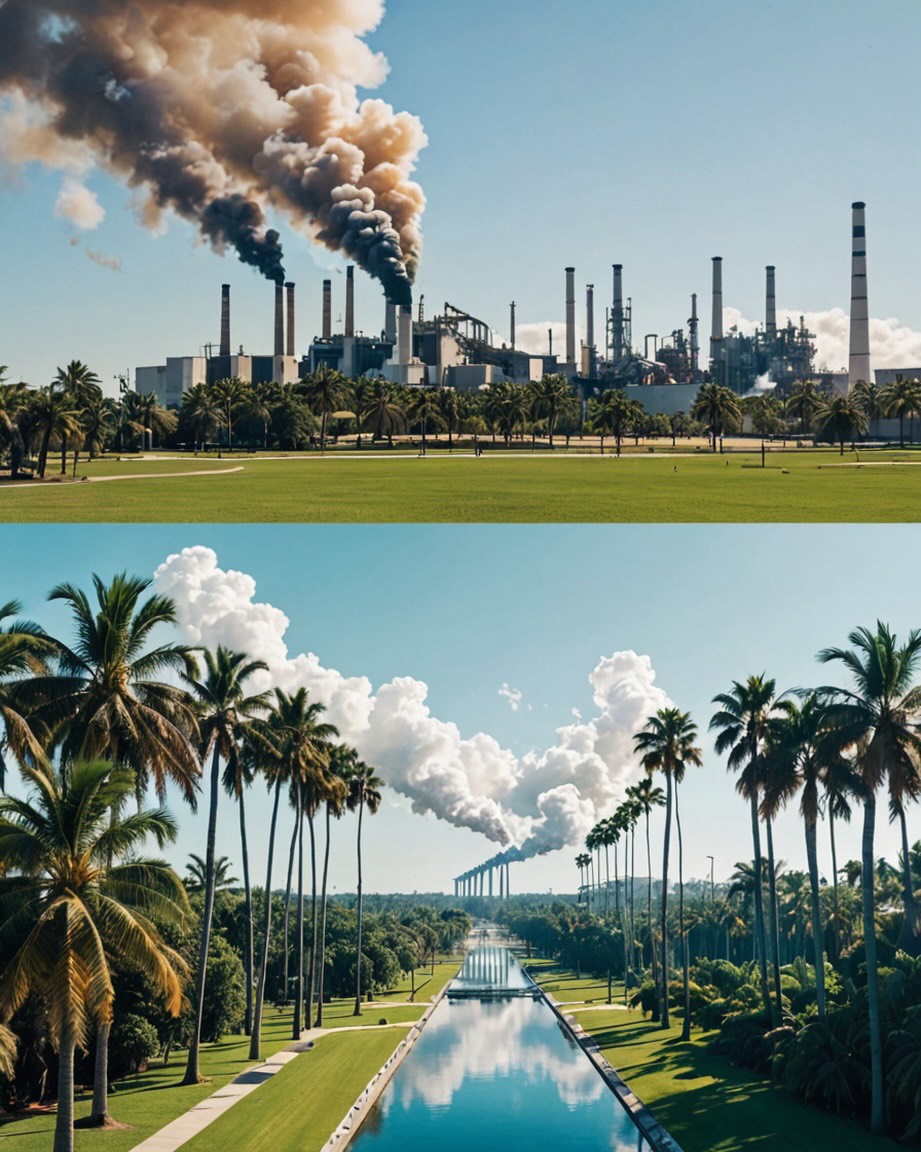
On the one hand, the EU, with the adoption of the Green Deal, has positioned itself as an international protagonist in the battle against climate change. On the other hand, the Gulf countries, historically at the forefront of fossil fuel production, apparently could not be favored by a green transition. Starting from these assumptions, the dialogue between the two was oriented towards concrete and effective actions to achieve mutual objectives in the medium term.
The starting point of this new collaboration is the identification of the common environmental challenges of the modern age. In the final statement, adopted under the leadership of the President of the European Council and the GCC President-in-Office, it is stated, in fact, that all Member Countries share these dangers. Among all of them, the “growing loss of biodiversity, increasing desertification, deterioration of the oceans and increasing droughts”, as well as plastic pollution; already object of an important resolution of the UN Environment Programme (UNEP), mentioned in the final document by the two Parties.
Recalling the centrality of the 2015 Paris Climate Agreement and the urgent need to support the green transition of developing countries – object of debate during the recent COP29 in Baku – the organisations identified hydrogen and the renewable energy mix as possible tools to foster a concrete change of pace in energy matters. On the general level of the fight against climate change, on the other hand, the implementation and development of new carbon capture technologies are part of a more general “sharing of efforts” in the field of research and innovation among the various member countries.
The climate is also the subject of attention with respect to the transport sector. In fact, both Organizations, committed to “cooperate to promote sustainable transport, as well as high quality, reliable, sustainable and climate resilient infrastructure, including regional and cross-border infrastructure”. All these tools and objectives, the final statement states, find in artificial intelligence and digital development an essential part of the necessary process of “accelerating sustainable development”.
Precisely sustainable development was most recently the focus of the dialogue of the renewed EU-GCC Cooperation on Green Transition, which met on 26 November in Abu Dhabi under the leadership of the EU representative in the United Arab Emirates. On this occasion, the Vice-President of the European Investment Bank (EIB) reiterated the institution’s readiness, in financial terms, to support green transition projects in Middle Eastern Countries.
It seems, therefore, that the path of rapprochement between the European Union and some of the Gulf countries is constantly evolving. In addition to the international issues that have come to the forefront of the recent global agenda, the fact that the fight against climate change is being discussed at a high level reinforces the idea of an increasingly solid alliance between the two regions. In this direction, the political commitments made at the October summit were joined by renewed commitments on the economic front by the EIB. In an increasingly multipolar scenario, therefore, regional cooperation is acquiring a new centrality, and the range of the discussed topics, including environment and climate, even despite ancient and deep-rooted interests, constitute an affective prove.