


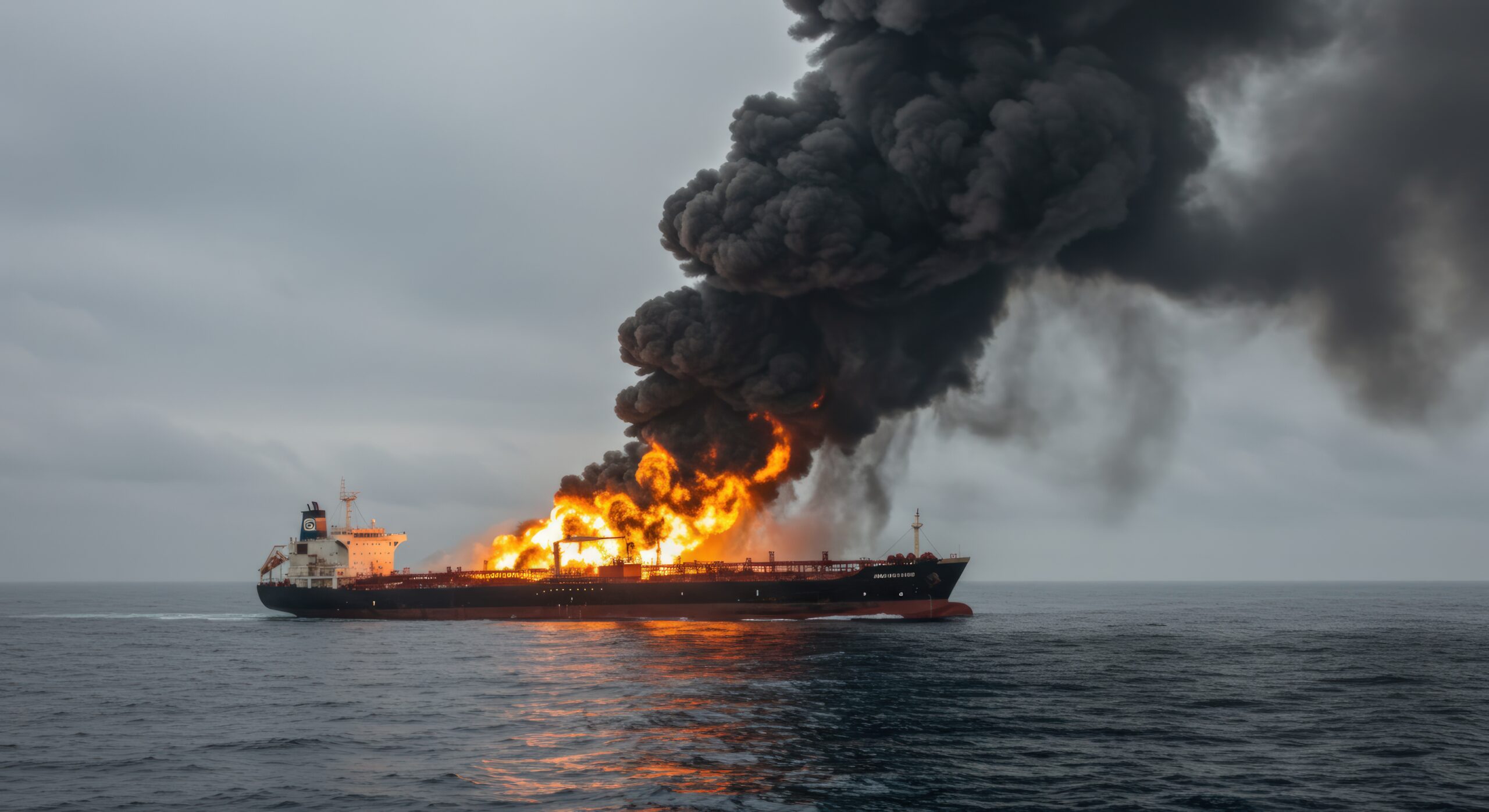


Europe is sleepwalking on the Strait of Hormuz. The Strait has been a subject of narrow, technocratic and diplomatic discussion for too long, oil prices, tanker insurance, gas flows, shipping disruption all at the heart of it. While all of that matters, it is not the whole story. A closed or heavily disrupted Hormuz not only produces energy shocks, but also food-security shocks, trade shocks and is a strategic test to see if Europe can defend its interests.
That is why President Donald Trump’s remarks at the White House on 1 April should be taken by Europe seriousness particularly the emphasis that the countries most dependent on the Strait for trade and energy should be doing more to help secure it. Europe has spent years benefiting economically from Gulf stability and the Strait of Hormuz, while too often adopting the posture that protecting these vital waterways remain the responsibility of somebody else. That view is no longer an option. The lazy assumption is that oil makes the Strait relevant. The reality is it is important because it connects energy, agriculture, freight and political stability in one of the world’s most fragile arteries. And if that artery is strangled, the implications extend beyond petrol stations at home, they affect fertiliser markets, shipping costs, food prices and overall humanitarian vulnerability.
Soaring petrol and diesel prices push up fertiliser prices, threatening local farmers across Europe. It adds pressure on their planting decisions, yields and food costs, all affecting European consumers at the dinner table. In addition to this, and the ongoing disruption to shipping routes, higher freight premiums and already fragile supply chains, the outcome is not just a little economic turbulence, but a looming crisis on Europe’s horizon.
While the Strait of Hormuz continues to threaten to exacerbate Europe’s economic security, the urgency in European policy discourse is lacking or absent entirely. Too often decision makers in Europe continue to talk about this like a far-off regional crisis to be observed closely, to be talked about in legislative and plenary chambers, rather than a direct danger to European economic resilience and to greater global stability. It is neither far away nor abstract. Europe will feel it in inflation, in supply chains and in the political ripple effects that follow rising insecurity beyond its own borders.
A long-lasting Strait of Hormuz crisis would not only push fuel costs up, it would add to the pressure on countries that are already contending with import dependence, weak food systems and high transport costs. That means more instability in some parts of Africa and Asia, more burdens on humanitarian operations and, inevitably, knock-on consequences for Europe itself. Migration pressures, regional disorder and price volatility will not be able to be easily contained, as recent history should have already reminded the European continent.
Furthermore, the strategic imbalance at the core of this war is also not sustainable. The Gulf countries are the ones living under the constant threat of Iranian aggression, missile threat, pressure on state infrastructure, the insecurity hovering over shipping and commerce. Meanwhile, Europe is still benefiting immensely from the Gulf’s sea networks and trade flows while contributing far too little to their protection. That is not strategic caution on the part of Europe, it is strategic complacency.
Europeans and must demand a more robust response from government. Not another cycle of statements, appeals and diplomatic hedging but concrete action on the ground, including deeper maritime coordination, more protection of commercial shipping, closer operational cooperation with Gulf partners and an explicit recognition that freedom of navigation in the Strait is the cornerstone of European interests. If Europe professes to care for economic security, it must be ready to defend the maritime corridor on which its security rests. The era of freeloading, deliberate or otherwise, must end. Europe cannot keep outsourcing the defence of one of its most important external lifelines.
If European leaders fail to act with urgency on the Strait of Hormuz, then their passivity will not only be measured by raising fuel prices for Europeans, but rather a far greater systemic threat to Europe’s economic security, exposing its very own strategic weakness. The time to act on safeguarding the Strait of Hormuz is now.