



The European ‘wait-and-see’ approach toward the Islamic Republic of Iran is no longer viable. Not only is its reputation suffering immense damage, but the situation on the ground has reached a level that demands a sustained, visible, and uncompromising position to pressure the regime in Tehran politically, economically, and diplomatically. At the same time, Europe must broaden its strategy by elevating Iranian voices in exile and connecting them with regional partners, particularly in the Gulf, to shape a more credible and forward-looking alternative.
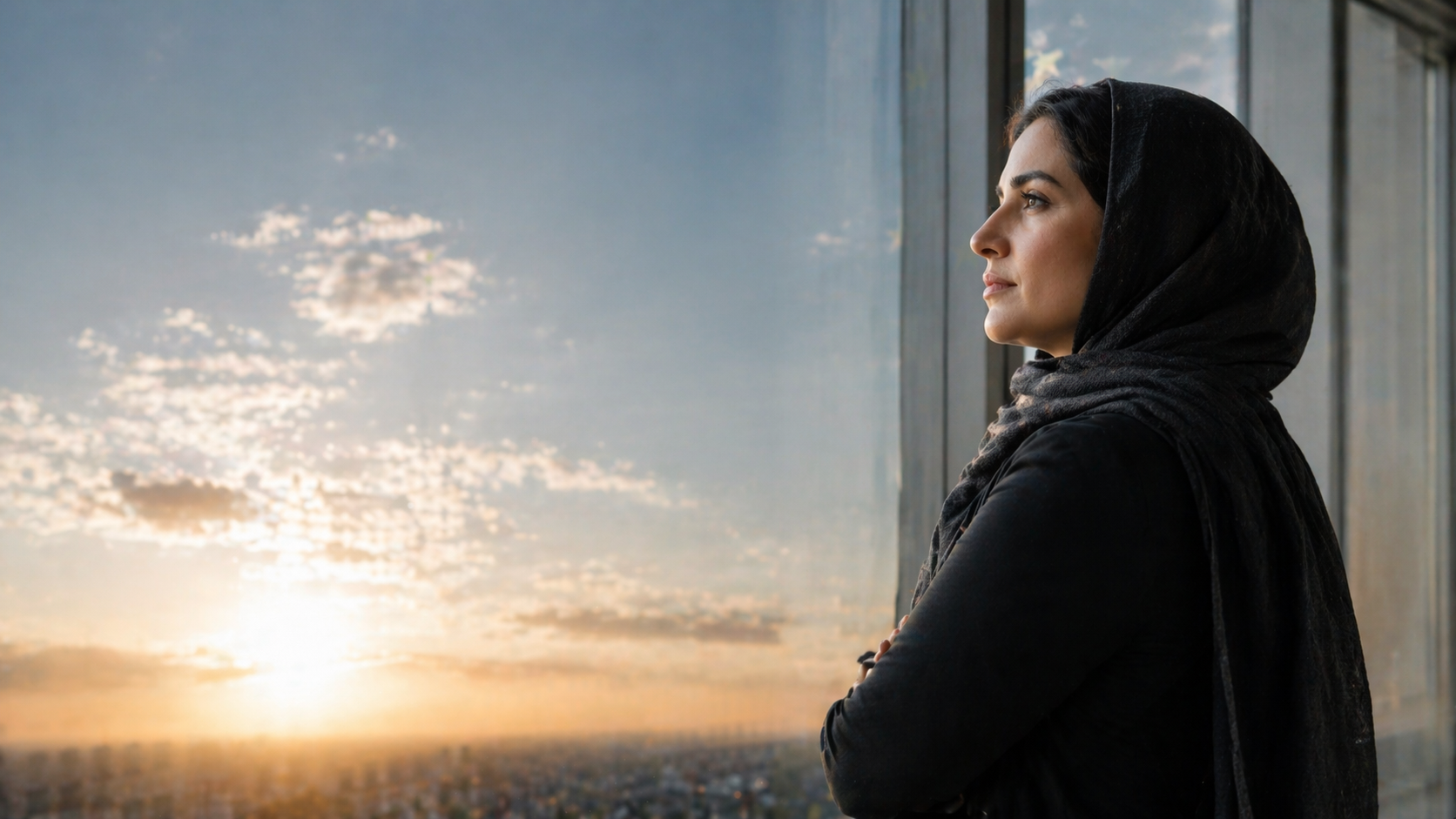
The reality inside Iran is marked by repression that has been repeatedly — over its 47 year history — documented by human rights observers and reported by activists. Protest movements, often led by women, students, and ordinary citizens, have been met with force rather than dialogue. Arrests, intimidation, and restrictions on basic freedoms have become defining features of governance. For many Iranians, the state does not represent protection or progress, but control.
Particularly alarming is the recent spate of state violence in mid-January 2026. While full independent verification remains difficult due to restricted access and information controls, the pattern itself is not new. It fits into a longer trajectory of suppression in which dissent is treated as a threat to be eliminated rather than a voice to be heard. Europe must not ignore these warnings simply because they are difficult to verify in real time—doing so risks enabling further abuses.
Beyond internal repression, critics increasingly argue that the structure of power in Iran is deeply entangled with non-Iranian armed groups and regional militias. Elements linked to Iraqi militias, Afghan Fatemiyoun fighters, and alliances with groups such as the Houthis in Yemen are frequently cited as part of a broader network of influence that extends beyond Iran’s borders. To many observers, this raises a troubling question: to what extent is the Iranian state acting in the interests of its own population, and to what extent is it embedded in a transnational system of power that prioritises ideological and military objectives over national welfare?
This perception that Iran is, in effect, being held hostage by a rigid and externally entangled power structure, resonates strongly among segments of the Iranian diaspora. It is a narrative that Europe should not dismiss outright, but rather engage with critically and thoughtfully. Ignoring these perspectives risks alienating precisely those voices that could contribute to a more stable and constructive future.
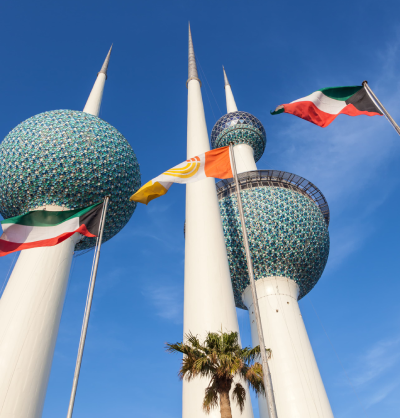
This is where a strategic shift becomes essential. Europe should actively create platforms that bring together Iranian experts — economists, political analysts, technologists, and civil society leaders — with policymakers and stakeholders from Gulf Cooperation Council (GCC, Bahrain, Kuwait, Oman, Qatar, Saudi Arabia and the UAE) countries. Such collaboration, hosted in European public and policy spaces, could reshape regional dialogue.
The goal is not only discussion, but alignment: identifying shared interests in stability, economic development, and de-escalation. Gulf countries, despite their differences with Iran, have a direct stake in what happens next. Iranian experts, particularly those outside the constraints of state control, can offer insights that are both critical and constructive. Europe can serve as the meeting ground where these perspectives converge.
Equally important is the role of the European public. If European governments are to maintain pressure on Iran, they need public awareness and support. This requires moving beyond technical policy debates and engaging a broader audience—through media, universities, think tanks, and public forums. The story is not just about geopolitics; it is about people, rights, and the future of a nation with immense potential. There is already overwhelming evidence of systematic repression in Iran—documented by international organisations, UN mechanisms, and eyewitness accounts. The issue is no longer verification, but political will.
European governments must stop treating these crimes as ambiguous allegations and start responding to them as what they increasingly appear to be: sustained and organised violations of fundamental human rights.
At its core, this is not just simply about opposing a regime. It is about standing with a population that has repeatedly demonstrated its desire for dignity, accountability, and change. It is about recognising that Iran is more than its current political structure, and that its future should not be defined by repression or isolation.
Europe has both the responsibility and the opportunity to act. By maintaining firm pressure, amplifying Iranian expertise, and fostering regional cooperation, it can help lay the groundwork for a different trajectory—one shaped not by fear and force, but by dialogue, inclusion, and respect for human rights.