


5 Top Points
- The EU imposed sanctions on Iranian operatives linked to assassinations on European soil.
- DP World signed a $800 million deal to develop a Syrian port following the lifting of US sanctions.
- The UAE was removed from the EU’s list of high-risk third countries for anti-money laundering and counter-terrorism financing.
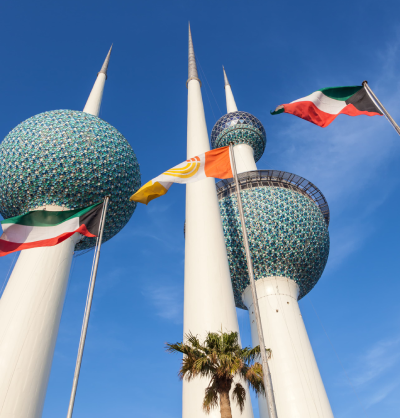
- Kuwait and France signed a 10-year strategic investment partnership and a cultural agreement during Emir Meshal’s visit to Paris.
- The GCC Secretary-General underscored the need to strengthen strategic partnerships with Mediterranean countries.
‘Round and About the Gulf
Kingdom of Bahrain

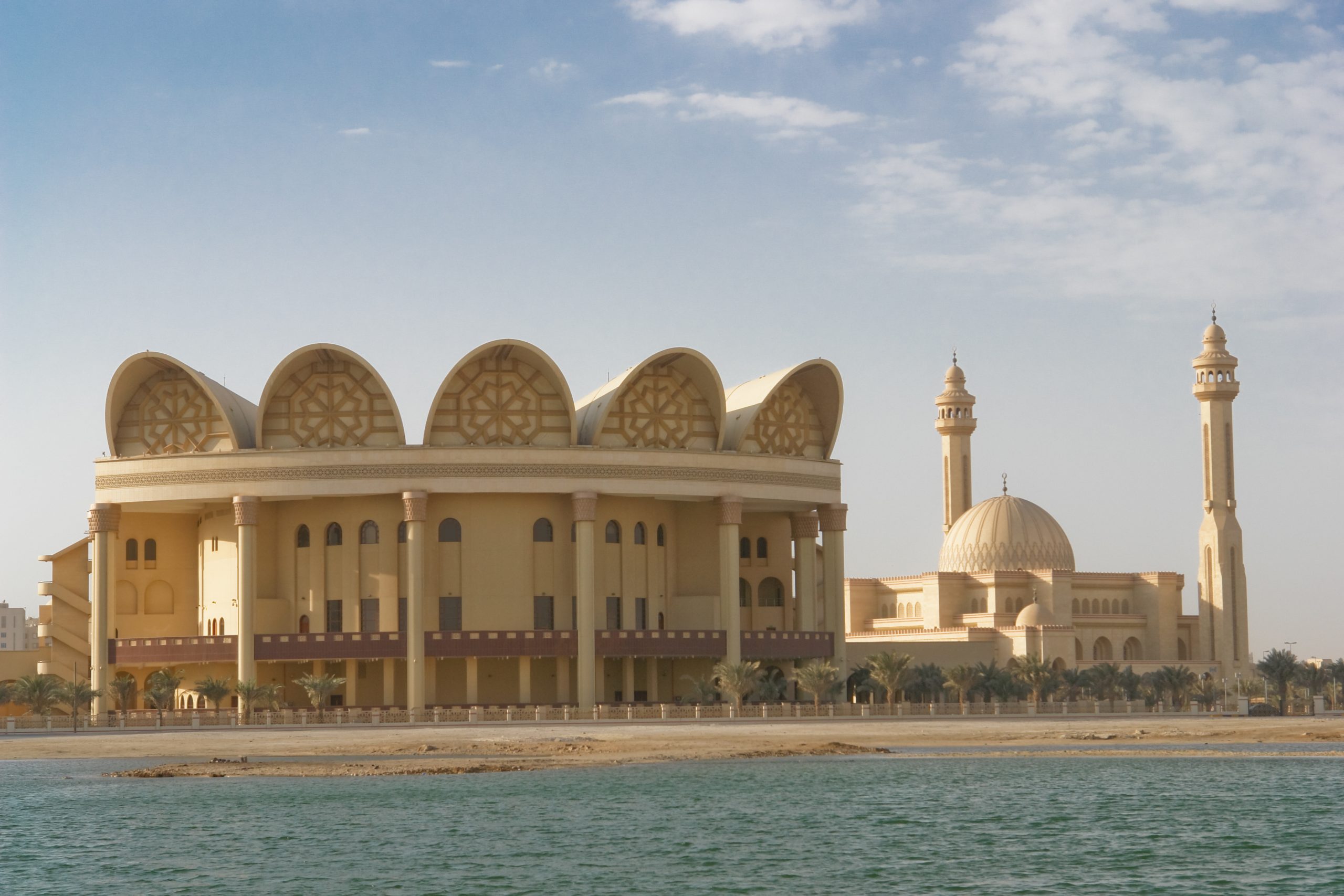
Thursday, 10 July—A new Ernst & Young (EY) report identified Bahrain as the most cost-effective location in the GCC for financial services firms with integrated tech hubs. The study found Bahrain offers a 48% cost advantage over regional peers, with labour costs up to 24% lower, business and licensing fees 85% cheaper, and office rentals offering savings of up to 60%. Supported by a streamlined regulatory environment led by the Central Bank of Bahrain and strong digital talent, Bahrain is emerging as a regional fintech hub. Major firms like Citi and J.P. Morgan have expanded operations there, reinforcing its growing strategic importance.
State of Kuwait

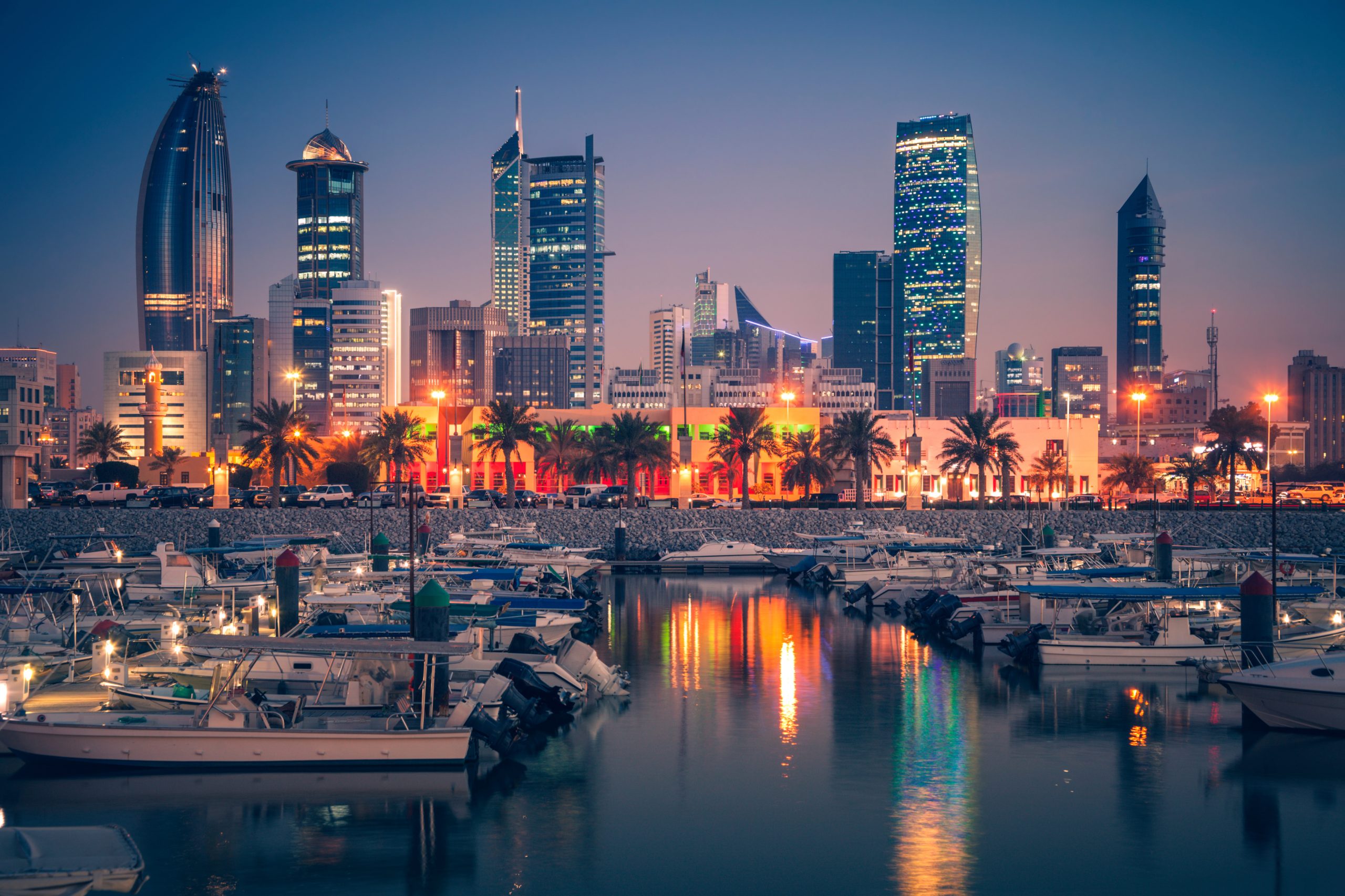
Thursday, 10 July—At the 9th OPEC International Seminar in Vienna, Kuwait’s Oil Minister, Tariq Al-Roumi, reaffirmed Kuwait’s commitment to global energy security, urging investment in future energy and emissions reduction. Kuwait Petroleum Corporation (KPC) CEO, Nawaf Al-Saud Al-Sabah, highlighted the firm’s low-carbon strategy, adaptability, and rising oil exports to Asia. He assured uninterrupted oil supplies despite regional tensions, noting the Strait of Hormuz has never been closed in over eight decades of use.
Sultanate of Oman

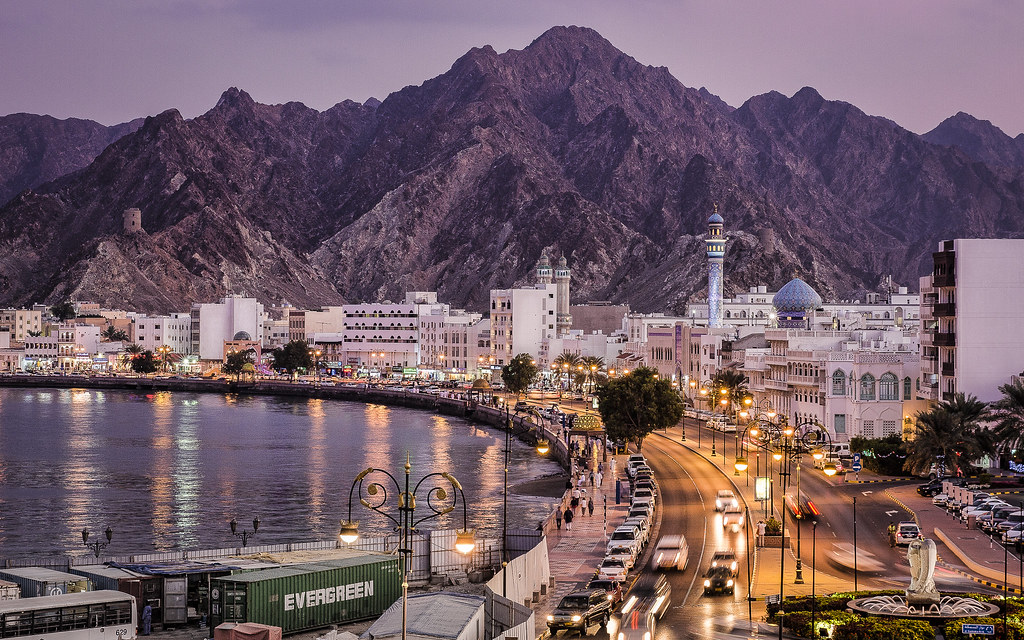
Wednesday, 9 July—The Future Fund Oman (FFO), part of the Oman Investment Authority, and Hong Kong-based Templewater launched a $200 million Energy Transition Fund, the first of its kind in Oman. Each party committed $100 million. The fund will invest in renewable energy, energy storage, clean molecules, e-fuels, green data centres, and low-carbon transport, including electric vehicles. The initiative aligns with Oman Vision 2040 and aims to position Oman as a global clean energy hub, while supporting its goal to generate 30% of electricity from renewables by 2030 and achieve net zero emissions by 2050.
State of Qatar

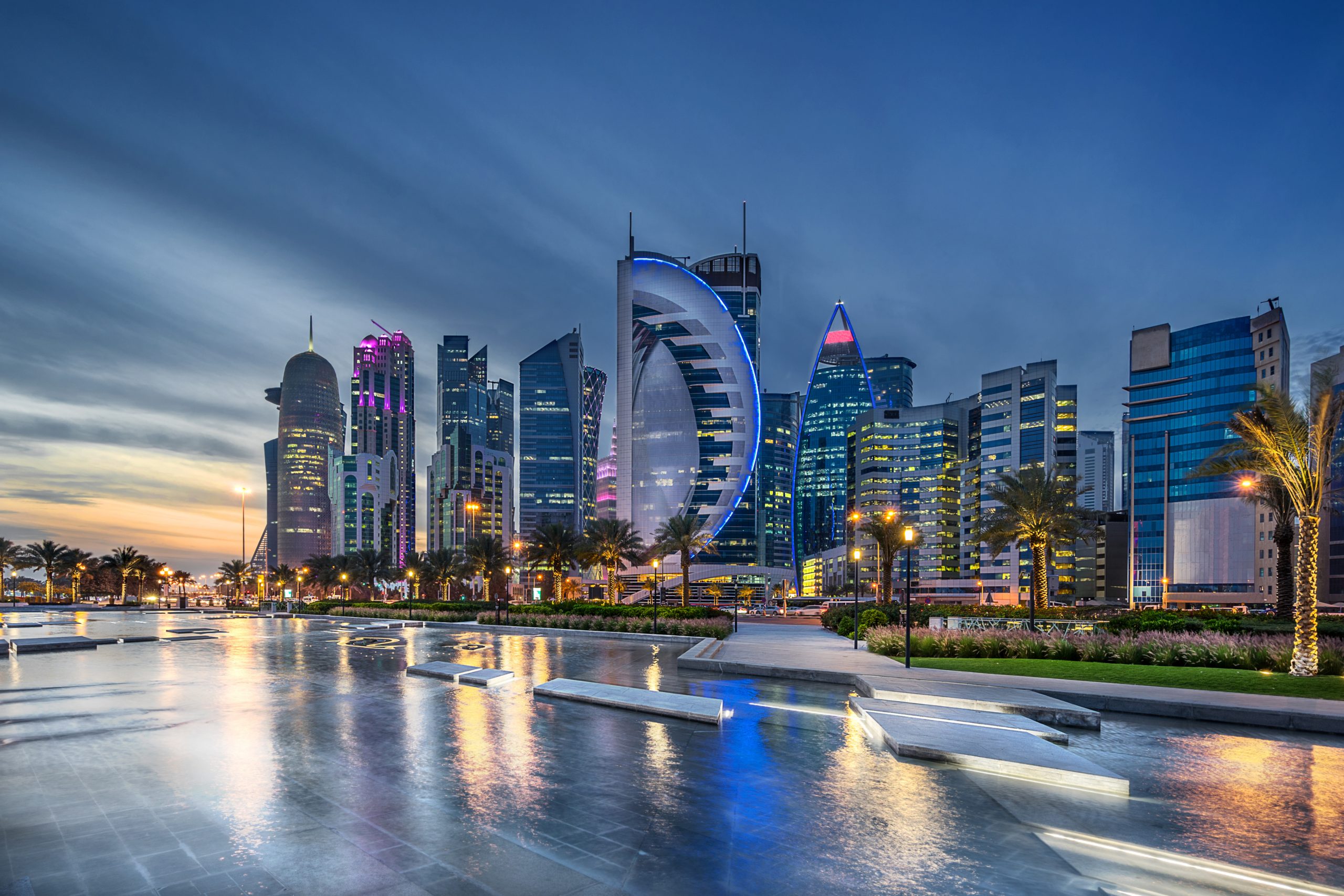
Sunday, 13 July—Qatar’s Ministry of Interior, through the Civil Defence Council, announced it will compensate citizens and residents whose private properties, such as homes, vehicles, industrial facilities, and commercial establishments, were damaged by shrapnel from intercepted Iranian missiles.
United Arab Emirates

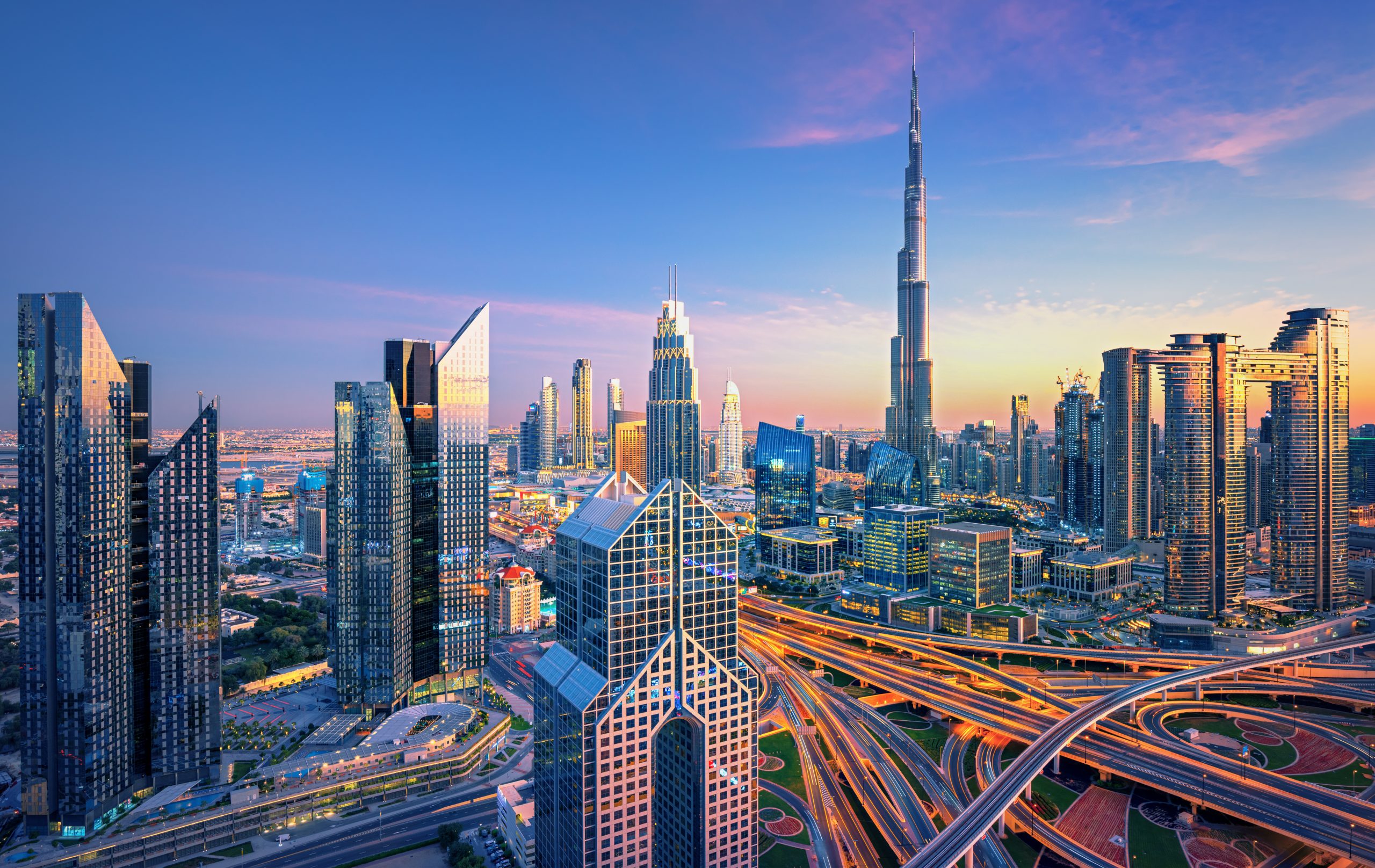
Sunday 13 July—Dubai’s DP World signed a 30-year, $800 million concession agreement with Syria’s General Authority for Land and Sea Ports to develop port infrastructure and logistics at Tartus, aiming to create a key regional trade hub connecting Southern Europe and the Middle East. The agreement came following a May Memorandum Of Understanding and the US lifting of sanctions on Syria. The deal includes establishing a multi-purpose terminal and creating industrial and free trade zones. Syrian President Ahmed Al-Sharaa attended the signing in Damascus.
Sunday, 13 July—Belgian Deputy Prime Minister and Foreign Minister, Maxime Prévot, expressed appreciation for the extradition of three individuals from the UAE and thanked Emirati authorities for their cooperation, emphasising the importance of continued joint efforts against drug trafficking and international crime.
EU Corner
Thursday, 10 July—The UAE was removed from the EU’s list of high-risk third countries that have strategic deficiencies in their regime on anti-money laundering and countering the financing of terrorism, following a proposal by the European Commission and the UAE’s removal from the Financial Action Task Force (FATF) grey list in February 2024 amid improvements.
Friday, 11 July—The EU strongly condemned Houthi attacks on the Liberia-flagged, Greek-operated merchant vessel Eternity C in the Red Sea, which led to its sinking, multiple crew deaths, and several injured or missing. The EU Delegation in Yemen highlighted it was the second recent assault on a European-owned vessel and called for the unconditional release of surviving crew members and urged littoral states to support rescue efforts. It stated the attacks violate international law, threaten regional stability, global trade, and maritime navigation, and exacerbate Yemen’s humanitarian crisis, calling for an immediate end to such actions.
Tuesday, 15 July—Saudi Arabia’s Vice Minister of Foreign Affairs, Waleed Elkhereiji, held meetings with EU High Representative for Foreign Affairs and Security Policy, Kaja Kallas, EU Special Representative for the Gulf region, Luigi Di Maio, and European Commissioner for the Mediterranean, Dubravka Šuica, in Brussels.
Tuesday, 15 July—Ahead of the EU Foreign Affairs Council, French Foreign Minister Jean-Nöel Barrot, said that France, Germany and the UK (E3) will launch the UN snapback mechanism on Iran to restore sanctions by the end of August at the latest ‘without a firm, tangible and verifiable commitment from Iran.’ The E3 Foreign Ministers agreed to maintain close coordination on the next steps, with decisions to be taken before the end of the summer. Besides Iran, the Council also discussed the situation in Gaza and potential measures against Israel.
Tuesday, 15 July—The EU imposed sanctions on 8 individuals and 1 entity linked to assassinations of Iranian dissidents and journalists in Europe on behalf of Iranian government, citing growing concerns over Iran’s use of criminal proxies to target opponents abroad. Those listed include the Zindashti Network, a criminal group tied to Iran’s Ministry of Intelligence and Security (MOIS), and its leader Naji Ibrahim Sharifi-Zindashti, as well as Mohammed Ansari, Head of the Islamic Revolutionary Guard Corps (IRGC) Quds Force Unit 840, and Reza Hamidiravari, a MOIS intelligence officer.
Key Official Visits & Contacts
Wednesday, 9 July—Saudi Arabia’s Defence Minister, Khalid bin Salman Al-Saud, met Hungarian Defence Minister, Kristóf Szalay-Bobrovniczky, in Jeddah to discuss ways to strengthen bilateral defence industry relations.
Wednesday, 9 July—Oman’s Foreign Minister, Badr bin Hamad Al-Busaidi, and UK Foreign Secretary, David Lammy, held a phone call to discuss efforts towards a lasting ceasefire in Gaza and broader peace in the Middle East. They also exchanged views on the Iranian nuclear file and prospects for restoring diplomatic engagement to enhance regional security. The discussion also included strategic cooperation and joint programmes in investment and economic development.
Thursday, 10 July—Abu Dhabi hosted talks between leaders of Armenia and Azerbaijan, Prime Minister Nikol Pashinyan and President Ilham Aliyev, marking their first formal meeting since agreeing on a draft peace agreement in March. Discussions focused on border delimitation and reaffirmed the commitment to continue dialogue at various levels. On the occasion, the UAE and Azerbaijan signed a Comprehensive Economic Partnership Agreement.
Thursday, 10 July—Qatar’s Minister of State for International Cooperation, Maryam bint Ali Al-Misnad, met with Maria Tripodi, Undersecretary of the Italian Ministry of Foreign Affairs and International Cooperation, on the sidelines of the Ukraine Recovery 2025 Conference in Rome. The meeting focused on strengthening bilateral cooperation and highlighted Qatar’s mediation efforts to reunite Ukrainian children with their families amid the ongoing war in Ukraine. Minister Al-Misnad reaffirmed Qatar’s full support for international efforts to resolve the conflict through peaceful dialogue and diplomatic means. Separately, Qatar’s Minister of State for Foreign Affairs, Sultan bin Saad Al-Muraikhi, also met with Italy’s Deputy Minister of Foreign Affairs and International Cooperation, Edmondo Cirielli.
Friday, 11 July—At the 2025 Ukraine Recovery Conference in Rome, the UAE reaffirmed its commitment to Ukraine’s recovery and international cooperation. Led by Minister of State for International Cooperation, Reem bint Ebrahim Al-Hashimy, the UAE delegation signed multiple agreements, including new initiatives with the Olena Zelenska Foundation, and a trilateral UAE-Italy-Ukraine declaration to promote women-led businesses, digital transformation, and vocational training. The UAE and Italy also agreed to co-finance development projects in Africa under the Mattei Plan and the UAE-based Khazna Data Centers and Italy’s Eni signed an agreement to build a 500 MW AI data centre in Italy.
Saturday, 12 July—At the Dubrovnik Forum 2025, GCC Secretary-General Jasem Mohammed Al-Budaiwi underscored the need to strengthen strategic partnerships with Mediterranean countries to promote regional security and development. He met Croatian Prime Minister, Andrej Plenković, and European Commissioner for the Mediterranean, Dubravka Šuica, to advance a proposed joint GCC-EU energy security conference and reviewed progress on ongoing Free Trade Agreement negotiations. Al-Budaiwi also held talks with Italian Foreign Minister, Antonio Tajani, on bilateral cooperation mechanisms and with Ukrainian Foreign Minister, Andrii Sybiha, to discuss GCC-Ukraine relations and the Russia-Ukraine war.
Monday, 14 July—Kuwait’s Emir, Meshal Al-Ahmad Al-Jaber Al-Sabah, paid his first official visit to France, aimed at strengthening diplomatic, defence, and economic ties. He met with President Emmanuel Macron and attended the Bastille Day parade. On the occasion, Kuwait and France signed two declarations of intent: a Strategic Investment Partnership for 2025-2035 and a cultural cooperation agreement commemorating the upcoming 65th anniversary of diplomatic relations. The Emir also held talks with the French Minister Delegate for Foreign Trade, Laurent Saint-Martin, and French business leaders to promote investment, knowledge transfer, and economic development in Kuwait.
Tuesday, 15 July—Oman and Türkiye signed a Memorandum of Understanding to strengthen cooperation and investment in the energy sector during Turkish Energy Minister Alparslan Bayraktar’s visit to Muscat. The agreement, signed with Omani Energy Minister, Salim Nasser Al-Aufi, covers collaboration in oil, gas, LNG trade, renewable energy, energy efficiency, green hydrogen, and carbon capture technologies. It includes provisions for joint projects, knowledge exchange, and regulatory cooperation. The Turkish delegation also met Oman Investment Authority Chairman, Abdulsalam Al-Murshidi, to explore bilateral and third-country investment opportunities. Additional energy cooperation agreements were signed between the Turkish Petroleum Corporation (TPAO), Oman’s Ministry of Energy and Minerals, and OQ Exploration and Production New Ventures (OQEP).