



5 Top Points
- Bahrain stressed its commitment to diplomacy and expressed support for dialogue between the GCC and Iran.
- G7 and EU condemned Iranian strikes on Qatar and Iraq, urged regional de-escalation, and reaffirmed that Iran must never obtain nuclear weapons.
- Saudi Arabia and Syria deepen cooperation on drug control as part of broader regional security coordination.
- Kuwait reforms its AML/CTF legal framework to meet FATF standards and avoid grey-listing.
- The UAE reaffirmed its support for the IAEA’s role in promoting peaceful nuclear energy.
‘Round and About the Gulf
Kingdom of Bahrain

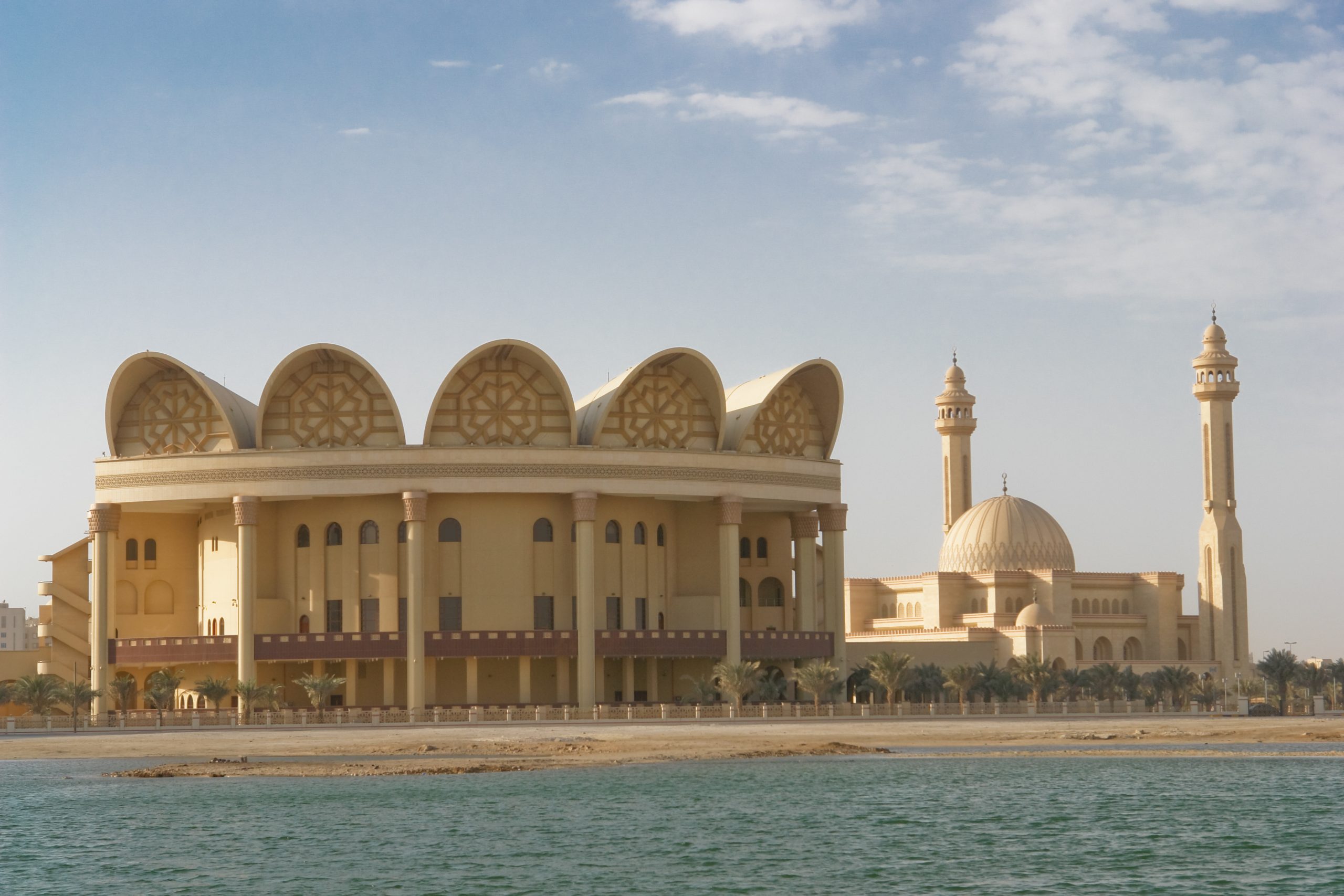
Wednesday 26 June—Bahrain’s Foreign Minister, Abdullatif bin Rashid Al Zayani, reaffirmed support for diplomatic efforts between the GCC and Iran, guided by directives from King Hamad bin Isa Al-Khalifa, who welcomed the Iran-Israel ceasefire. He stressed Bahrain’s commitment to peaceful dialogue, respect for sovereignty, and regional stability, underscoring diplomacy as essential to resolving regional crises. He also highlighted the region’s shared historical, cultural, and religious ties, calling for cooperation to promote tolerance, coexistence, and lasting peace.

State of Kuwait

Tuesday, 1 July—Kuwait amended its anti-money laundering and counter-terrorism financing law to align with Financial Action Task Force (FATF) standards, following FATF criticism over serious legal shortcomings. The new measures allow the government to freeze assets without court approval, impose fines up to 500,000 KWD, and transfer oversight of exchange houses to the Central Bank. A new law also enables a government committee to enforce counter-terrorism resolutions and companies must now disclose their ultimate beneficial owners. Finance Minister, Nora Al-Fassam, said the reforms aim to boost transparency and avoid FATF grey-listing.
Sultanate of Oman

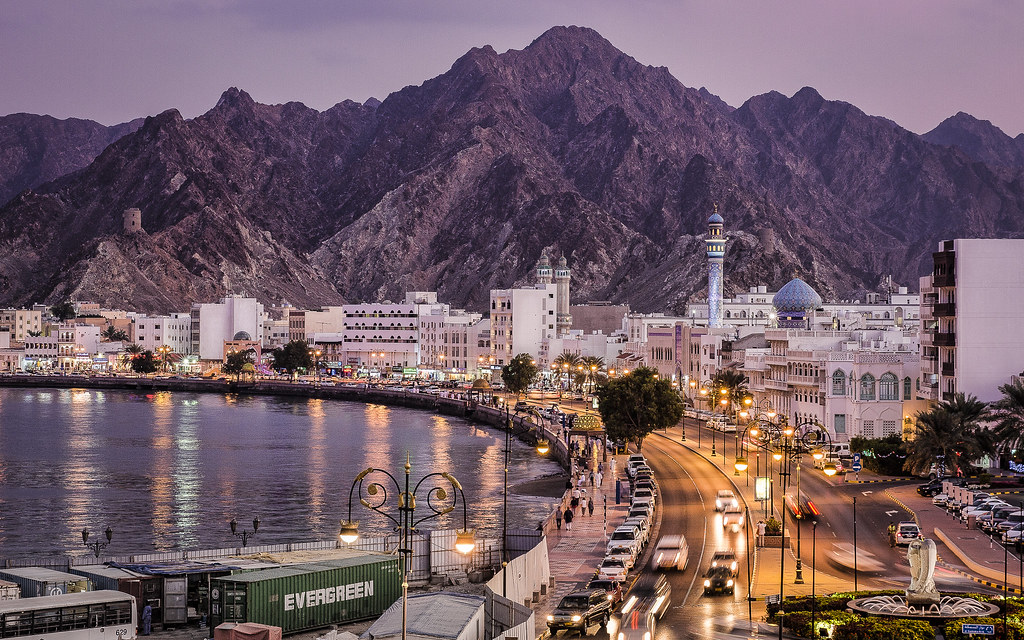
Thursday, 26 June—Oman plans to establish an embassy in Romania.
Monday, 30 June—Oman reached a key milestone in its clean energy ambitions as project cargo began arriving at Duqm’s Special Economic Zone for the country’s first green hydrogen and ammonia plant. Developed by Green Hydrogen and Chemicals Company SAOC, a subsidiary of India’s ACME Group, the $750 million facility will initially produce 100,000 tonnes of green ammonia annually, with plans to scale up to 1.1 million tonnes. The plant’s commissioning is expected in early 2027.

State of Qatar

Monday, 30 June—Qatar is actively supporting efforts for a broader Iran-US nuclear agreement and regional stability after the Iran-Israel ceasefire, though no Gaza ceasefire talks are currently underway, said Foreign Ministry spokesperson and Advisor to the Prime Minister, Majed Al-Ansari. He condemned the humanitarian crisis in Gaza and called for unimpeded aid access. Al-Ansari noted Iran’s apology for the Al Udeid Air Base attack and praised GCC solidarity. He added that Qatar’s Prime Minister will receive the Tipperary Peace Award for mediation efforts. Qatar also contributed to the recent Rwanda-DRC peace deal and participated in the World Humanitarian Forum in London.
Kingdom of Saudi Arabia

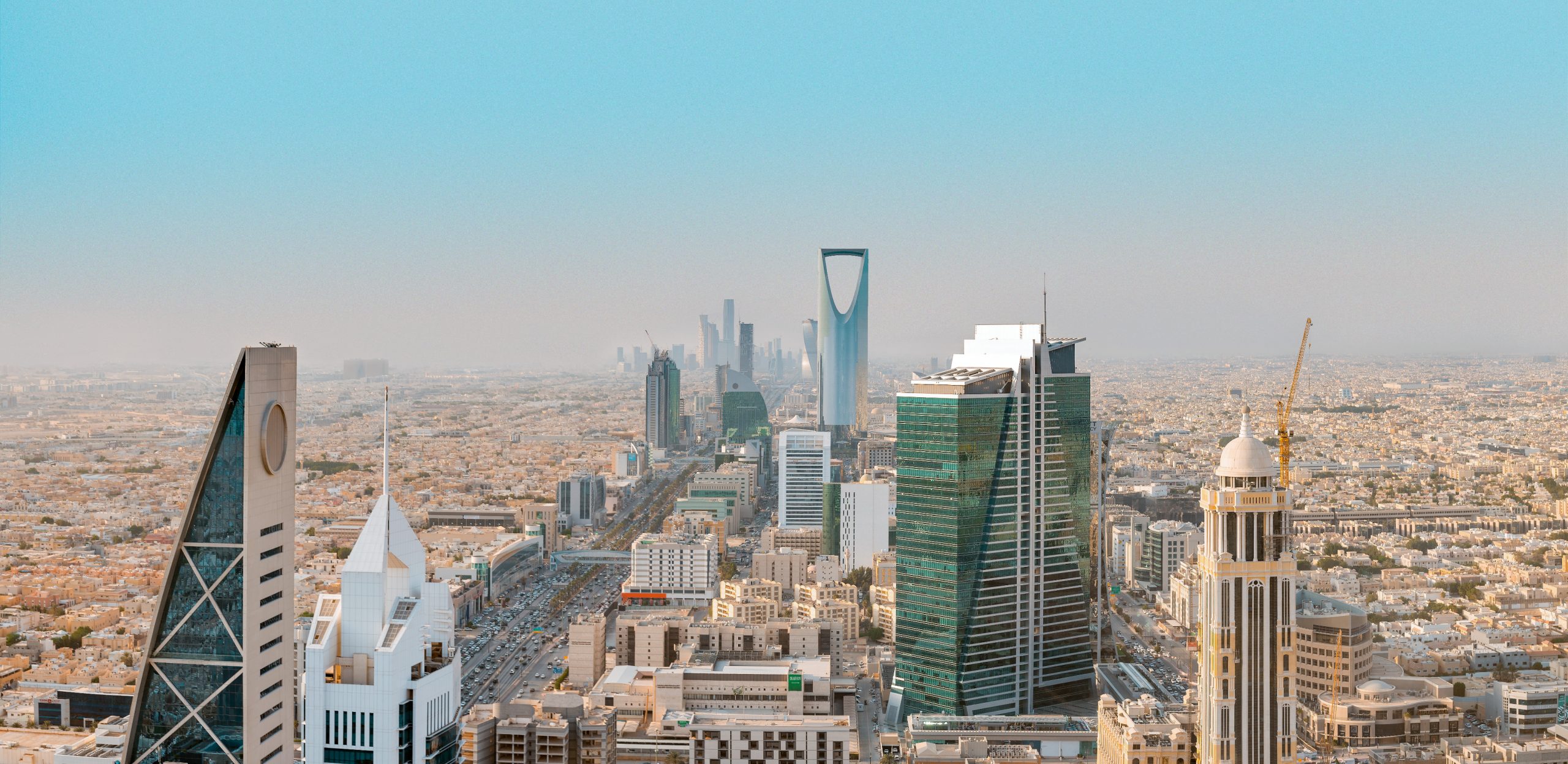
Monday, 30 June—Saudi Arabia and Syria are deepening intelligence and security cooperation to combat drug smuggling. Syrian Anti-Narcotics official Anwar Abdul-Hay credited close coordination with Saudi authorities for helping to thwart major trafficking attempts, including a recent seizure of over 200,000 amphetamine pills. Saudi Arabia’s General Directorate of Narcotics Control has been providing intelligence to Syrian counterparts, supporting efforts to dismantle smuggling networks. Separately, Saudi Arabia’s Zakat, Tax and Customs Authority (ZATCA) was involved in intercepting over 922 kg of narcotics and more than 20 million illegal pills in the past year.

United Arab Emirates

Thursday, 26 June—The UAE Federal Supreme Court partially overturned a previous ruling in the ‘Terrorist Justice and Dignity Organisation’ case, reconvicting 24 defendants and sentencing them to life imprisonment for collaborating with and financing the banned Al-Islah group. The UAE courts previously convicted 53 individuals identified as leaders and members of the Muslim Brotherhood organisation, which is listed as a terrorist group, and six affiliated companies. With this ruling, the total number of convictions in the case increased to 83 out of 84 individuals referred to trial.
EU Corner
Thursday, 26 June—The European Council called for an immediate ceasefire in Gaza, the release of all hostages, and unrestricted humanitarian access, urging Israel to comply with international law. It condemned settler violence in the West Bank and backed further EU sanctions on extremist settlers and Hamas. The Council reaffirmed support for a two-state solution and welcomed the upcoming peace conference. It urged Iran to meet its nuclear obligations and welcomed the Iran-Israel ceasefire. On Syria, it supported a peaceful transition and condemned the Damascus church attack. The Council also backed Lebanon’s reforms and called for full implementation of the 2024 ceasefire agreement.
Friday, 27 June—UAE President, Mohamed bin Zayed Al-Nahyan, spoke with European Council President, António Costa, to discuss UAE-EU relations and ways to enhance cooperation. The call covered ongoing negotiations on a Comprehensive Economic Partnership Agreement and reviewed regional developments, especially the situation in Gaza. Both leaders emphasised the urgent need for a ceasefire and unimpeded humanitarian aid, while reaffirming their commitment to supporting efforts for a just and lasting peace. They also underscored the importance of promoting regional and international stability through dialogue and peaceful solutions.
Monday, 30 June—The G7 Foreign Ministers and the EU High Representative released a joint statement expressing support for the Israel-Iran ceasefire and praising Qatar’s role in facilitating it. They condemned Iranian strikes on Qatar and Iraq, urged regional de-escalation, and reaffirmed that Iran must never obtain nuclear weapons. They called on Iran to resume full cooperation with the IAEA and condemned threats against its Director General. The G7 stressed the importance of the Nuclear Non-Proliferation Treaty and reiterated support for Israel’s security and right to self-defence, while calling for renewed negotiations on Iran’s nuclear programme.
Key Official Visits & Contacts
Wednesday, 25 June—Qatar’s Emir Tamim bin Hamad Al-Thani met with UAE President Mohamed bin Zayed Al-Nahyan in Doha to discuss the strong bilateral ties and explore ways to deepen cooperation. The leaders reviewed regional developments, welcomed the Iran-Israel ceasefire, and stressed the importance of dialogue and diplomacy for regional and global stability. The UAE President reaffirmed solidarity with Qatar following the recent Iranian missile attack, supporting its right to safeguard sovereignty and security. Both expressed commitment to peace, stability, and prosperity for their people.
Thursday, 26 June—Oman’s Sultan, Haitham bin Tariq Al-Said, received a phone call from Chancellor of Austria, Christian Stocker, during which they reviewed Oman-Austria relations and discussed strengthening cooperation across various sectors. Both leaders affirmed the importance of advancing bilateral ties to meet the aspirations of their peoples. They also emphasised the need to uphold dialogue, resolve disputes through peaceful means, and prioritise the higher interests of nations and their citizens.
Thursday, 26 June—Qatar’s Prime Minister and Minister of Foreign Affairs, Mohammed bin Abdulrahman Al-Thani, received a phone call from Cypriot Foreign Minister, Constantinos Kombos. They discussed strengthening Qatar-Cyprus ties and reviewed regional developments and issues of mutual concern. Minister Kombos condemned the Iranian attack on Al Udeid Air Base, calling it a violation of Qatari sovereignty and international law, and a breach of the UN Charter. The Prime Minister reaffirmed Qatar’s commitment to good neighbourliness and regional stability, emphasising the need for diplomatic solutions to de-escalate tensions.
Sunday, 29 June—On the sidelines of the Arab Planning Institute’s Board of Trustees meeting in Tripoli, Oman’s Minister of Economy, Saeed Al-Saqri, met with Libya’s Minister of Economy and Trade, Mohamed Al-Hwej, and Acting Minister of Planning, Mohamed Al-Zidani. They agreed to renew economic ties and revive the 2009 economic and commercial agreement. They also agreed to reconvene the Libyan-Omani Joint Committee, restart the Joint Investment Company, and form a joint technical committee. Plans include organising a Libyan-Omani Economic Forum and forming Libyan Omani Business Council by the end of this year. Libya invited Omani firms to aid reconstruction and development projects in Libya.
Sunday, 29 June—Saudi Minister of Defence, Khalid bin Salman Al-Saud, received a phone call from Iran’s Chief of Staff of the Armed Forces, Maj Gen Abdolrahim Mousavi, to discuss bilateral defence relations, regional developments, and efforts to support security and stability in the region.
Monday, 30 June—Spain’s King Felipe VI welcomed Qatar’s Emir Tamim bin Hamad Al-Thani to Seville for the 4th UN International Conference on Financing for Development. He reaffirmed Spain’s solidarity with Qatar, and strongly condemned the recent Iranian attack on Al Udeid Air Base, while also commending the Emir’s key role in mediating and facilitating the ceasefire between Iran and Israel.
Tuesday, 1 July—Abdullah bin Zayed Al-Nahyan, UAE Deputy Prime Minister and Minister of Foreign Affairs, held a phone call with IAEA Director-General, Rafael Grossi, to discuss strengthening cooperation. He reaffirmed the UAE’s support for the IAEA’s role in promoting peaceful nuclear energy for sustainable development, in line with international safety and non-proliferation standards. The UAE official highlighted the UAE’s valued partnership with the IAEA, which has supported the development of its peaceful nuclear programme. The two also exchanged views on broader regional developments during the call.