


5 Top Points
- Bahrain launched its first stablecoin regulatory framework to strengthen the fintech sector.
- A new overland trade corridor connects Kuwait to Europe via Iraq and Türkiye.
- Qatar and the EU explored the possibility of negotiating a Strategic Partnership Agreement.
- Saudi Arabia deployed its first THAAD missile system in Jeddah, advancing air defence and local manufacturing goals.
- The UAE rescued the crew of an attacked cargo ship as the Houthis resumed Red Sea strikes.
‘Round and About the Gulf
Kingdom of Bahrain

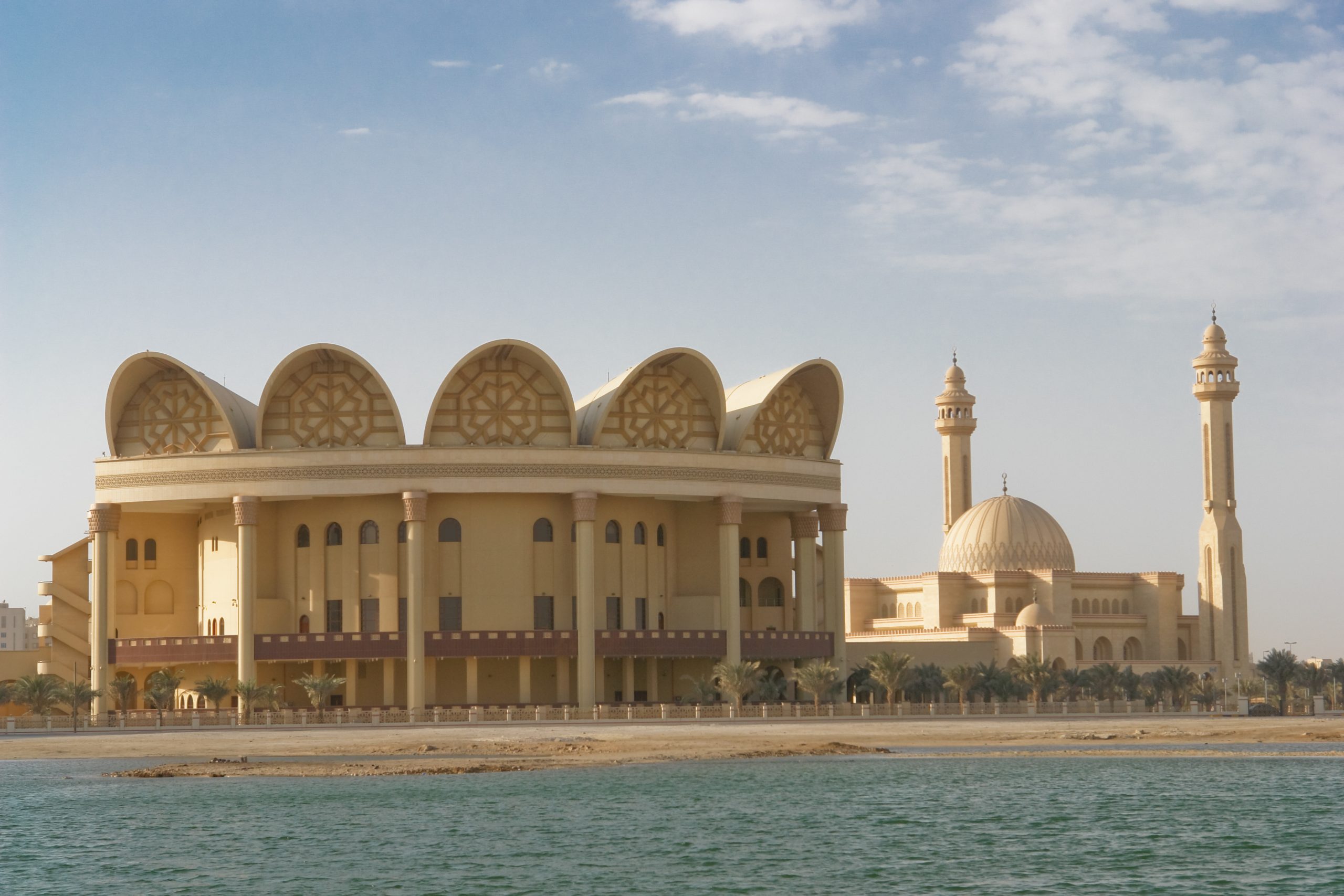
Thursday, 3 July—Bahrain has introduced its first regulatory framework for licensing stablecoin issuers to ensure their safe integration into the financial system. The new framework, launched by the Central Bank, requires stablecoins to be fully backed by real money such as the Bahraini Dinar, US Dollar, or any other fiat currency, with strict audits and no interest payments allowed. Only licensed companies with strong governance and at least BHD 250,000 in capital can issue them. The aim is to protect users, ensure transparency, and support Bahrain’s role as a regional centre for fintech and digital finance.
State of Kuwait

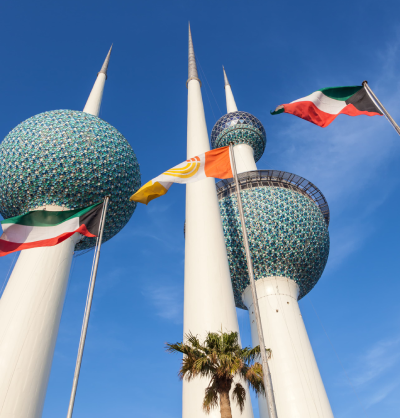
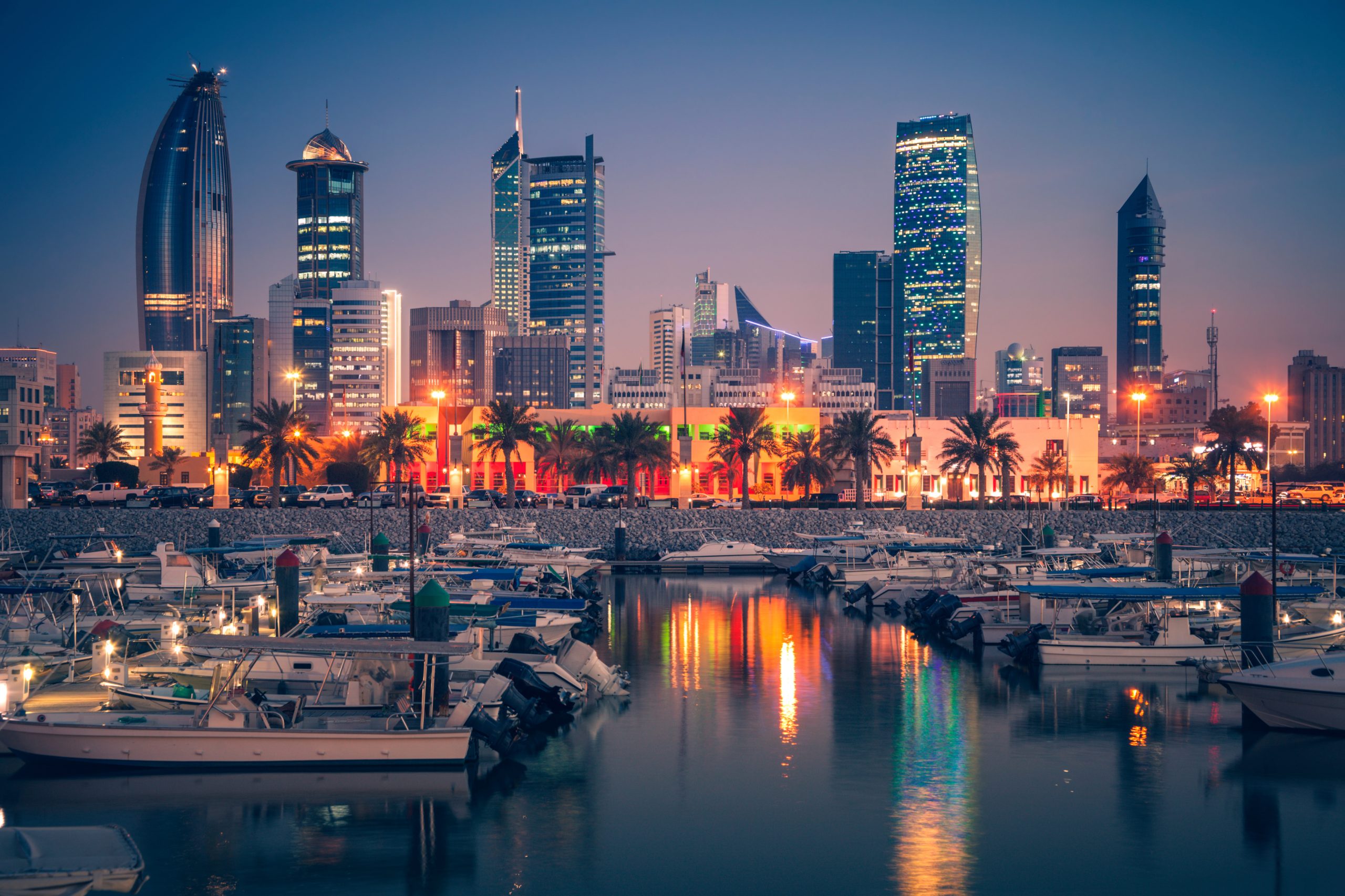
Wednesday, 2 July—Kuwait is now part of a newly launched overland trade corridor linking Türkiye, Iraq, and Jordan to Europe, significantly reducing transit times. The initiative saw the first direct shipment from Germany to Kuwait in 22 years, made possible by the reopening of Iraq’s transit routes, closed since 2003. The corridor is part of the broader Development Road project, which aims to connect Europe to the Gulf via road and rail through Iraq’s Great Faw Port. Supported by Türkiye, Kuwait, Qatar, and the UAE, the project offers a faster alternative to maritime shipping through the Suez Canal.
Sultanate of Oman

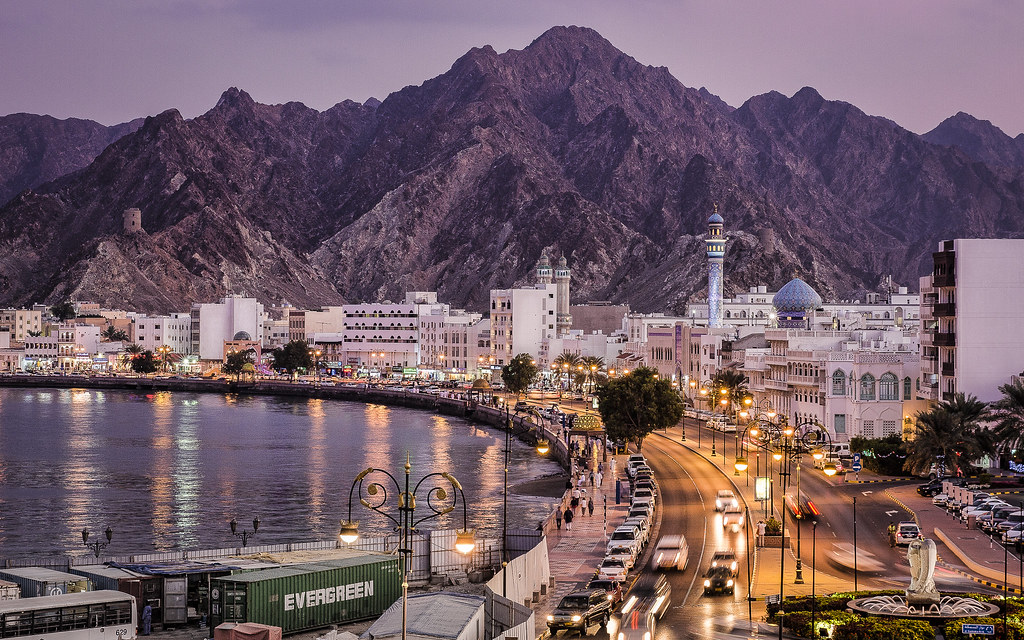
Thursday, 4 July—Oman launched a national strategy to expand its pharmaceutical industry, aiming to improve drug security and reduce reliance on imports, which made up 95.4% of medicine purchases in 2023. The plan includes developing manufacturing facilities in economic zones and industrial cities, backed by tax incentives, regulatory reform, and technical support. Eight pharma factories already operate in Oman, with plans to grow production of sterile drugs, cancer treatments, and vaccines. Authorities aim to attract foreign investment, fast-track approvals, and build international partnerships.
State of Qatar

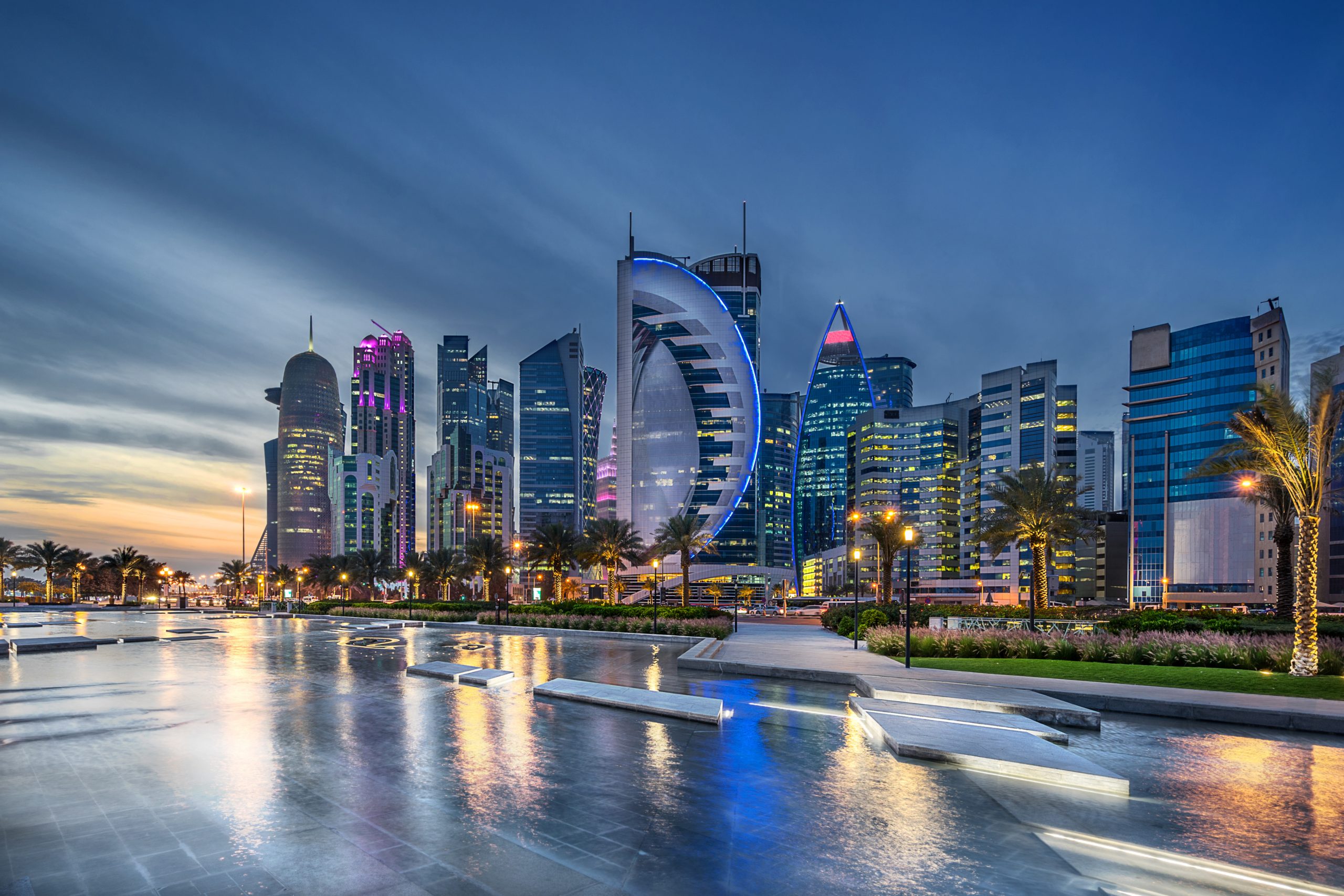
Sunday, 6 July—Doha is hosting renewed indirect ceasefire talks between Israel and Hamas. Qatari Foreign Ministry Spokesperson, Majed Al-Ansari, stated that discussions are currently centred on establishing a framework rather than reaching a final agreement, which may take more time. The talks follow a US-backed proposal involving phased hostage releases and the withdrawal of Israeli troops from Gaza. U.S. envoy Steve Witkoff is expected to join the negotiations in Doha. Meanwhile, Israel’s Prime Minister, Benjamin Netanyahu, was in Washington for talks with US President, Donald Trump.
Kingdom of Saudi Arabia

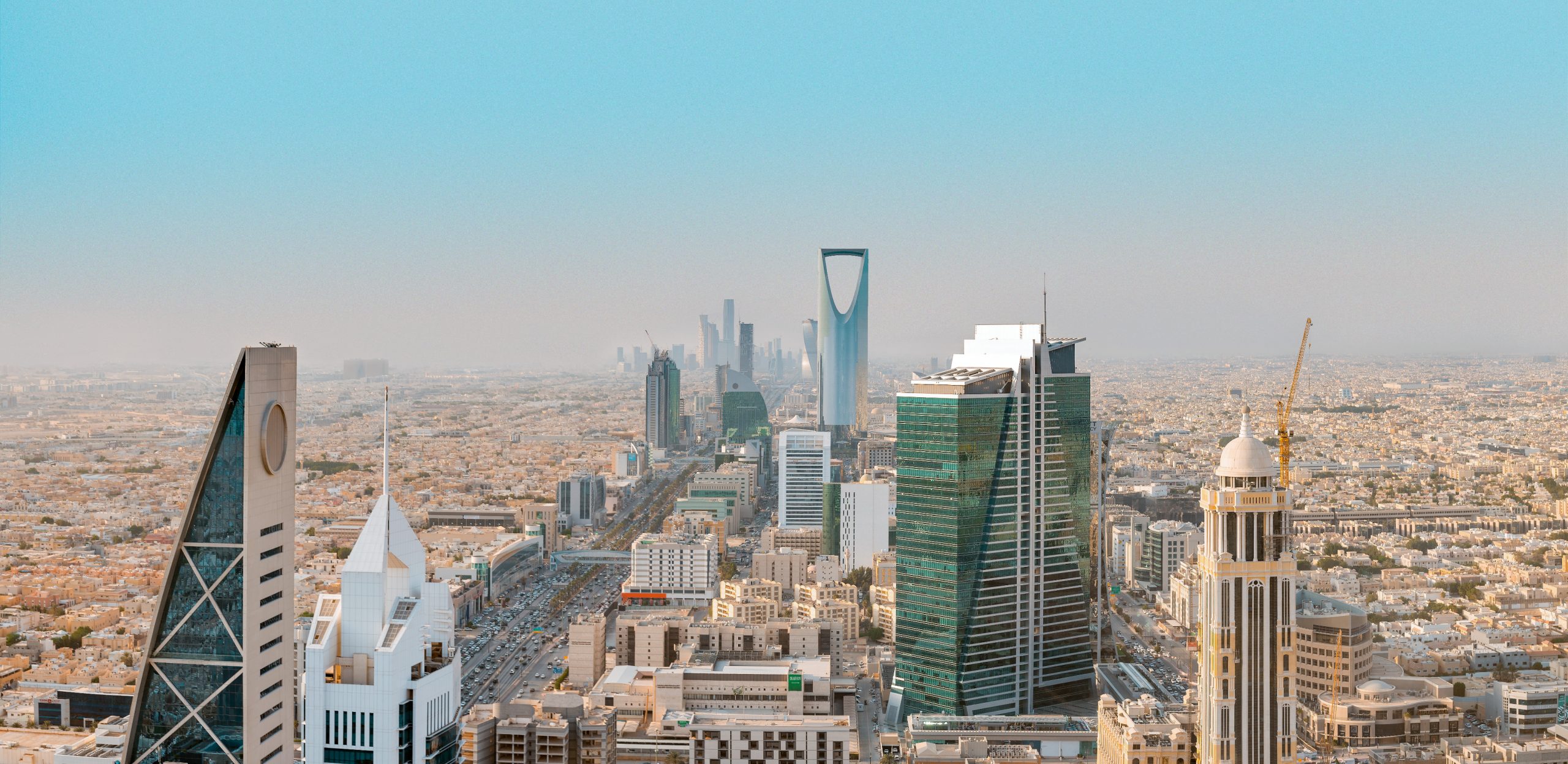
Thursday, 3 July—Saudi Arabia officially deployed its first THAAD (Terminal High Altitude Area Defence) missile battery. Inaugurated in Jeddah after successful testing and training, THAAD boosts the Kingdom’s ability to intercept ballistic missiles at high altitudes, enhancing protection of strategic infrastructure amid regional threats, notably from Iran and non-state actors. The deployment also marks progress in local manufacturing through Lockheed Martin partnerships in line with Saudi Vision 2030, which aims to localise 50% of defence spending.
United Arab Emirates

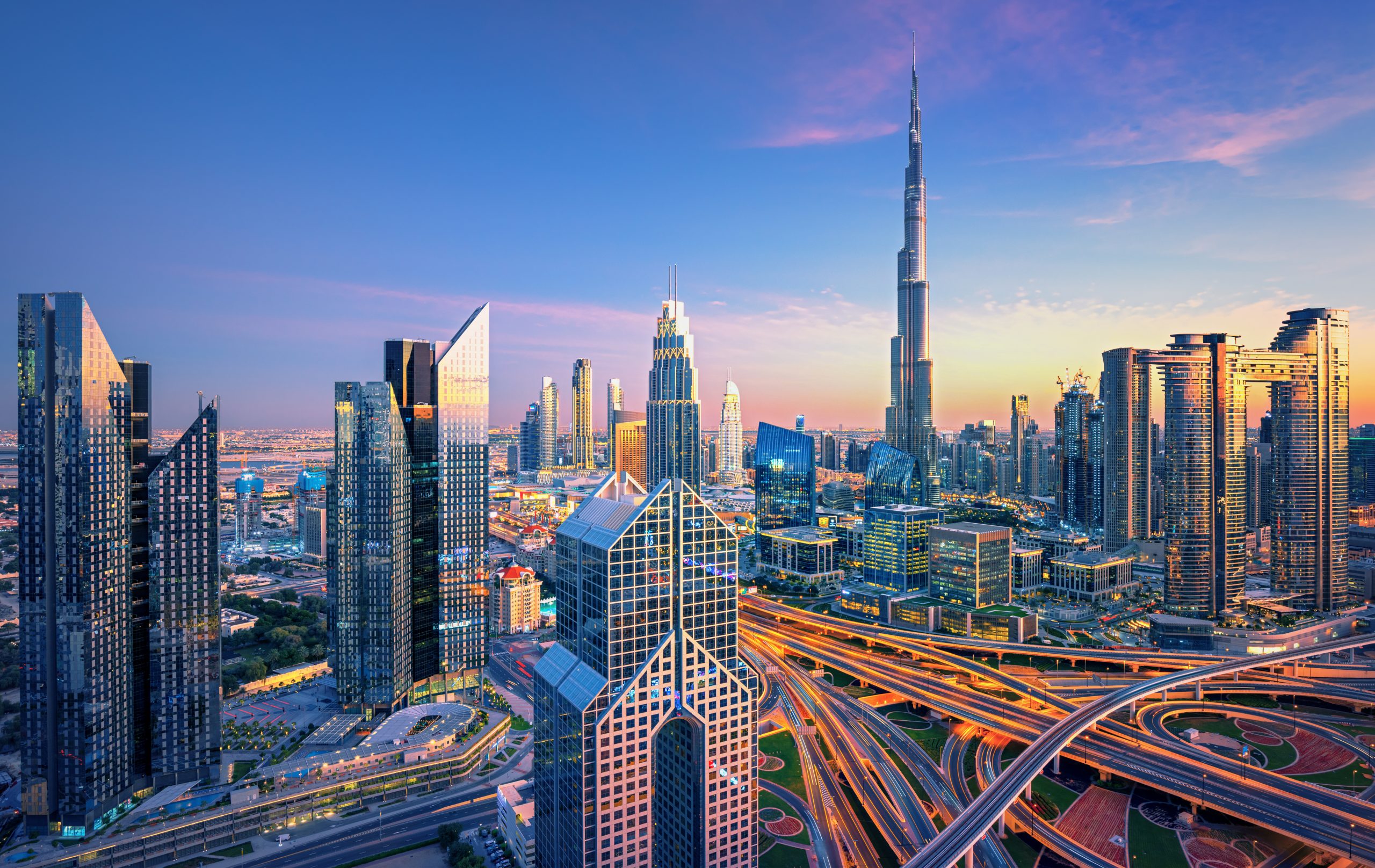
Monday, 7 July—The UAE confirmed it rescued all 22 people aboard the Magic Seas after the vessel was attacked in the Red Sea by the Houthis (Ansar Allah) from Yemen. The Houthis claimed they struck the Liberian-flagged cargo ship with gunfire, rockets, and explosive-laden boats. The Magic Seas, which was carrying iron and fertiliser from China to Turkey, was reportedly taking on water. The attack is the first by the Houthis on the high seas in 2025, ending a six-month lull following a series of assaults in 2023-2024 targeting Red Sea shipping in support of Gaza.
EU Corner
Thursday, 3 July—The 4th EU-Qatar High-Level Political Dialogue, co-chaired by EEAS Deputy Secretary-General, Olof Skoog, and Qatari Minister of State, Soltan Al-Muraikhi, took place in Doha. Discussions focused on regional and global issues, including Iranian attacks on Qatari territory and the wars in Gaza and Ukraine. The EU expressed solidarity with Qatar. They praised Doha’s mediation in the DRC-Rwanda peace deal and agreed to deepen EU-GCC cooperation. They reaffirmed their commitment to enhancing collaboration in conflict prevention, humanitarian aid, energy, trade, and innovation, and explored the possibility of a Strategic Partnership Agreement.
Monday, 7 July—The EU has strongly condemned the 6 July Houthi attack on the MV Magic Seas in the Red Sea, calling it a serious escalation that endangered crew lives and posed an environmental threat. As the first such attack on a commercial vessel in 2025, the EU warned it undermines maritime security, regional stability, global trade, and freedom of navigation. The statement stressed that such actions also worsen Yemen’s humanitarian crisis and must end immediately. The EU reiterated the UN Security Council’s repeated calls for the Houthis to cease all attacks in the Red Sea region.
Key Official Visits & Contacts
Wednesday, 2 July—Saudi Arabia and Indonesia signed deals and memorandums of understanding worth approximately $27 billion, focusing on clean energy, petrochemicals, and mineral resources during Indonesian President Prabowo Subianto’s visit to the Kingdom. On the occasion the Indonesian President and Saudi Crown Prince and Prime Minister, Mohammed bin Salman Al-Saud, co-chaired the first meeting of the Saudi-Indonesian Supreme Coordination Council. Saudi firm ACWA Power signed preliminary agreements with Indonesia’s Danantara sovereign wealth fund and state energy company Pertamina to explore renewable energy projects, with potential investments reaching up to $10 billion.
Thursday, 3 July—Saudi Crown Prince and Prime Minister, Mohammed bin Salman Al-Saud, received a phone call from German Chancellor, Friedrich Merz. The two leaders discussed bilateral relations and explored ways to enhance cooperation across various sectors. They also addressed recent regional developments and efforts to promote security and stability, notably regarding Gaza and the Iranian nuclear programme.
Friday, 4 July—Speaking on a visit to Moscow, Saudi Foreign Minister, Faisal bin Farhan Al-Saud, said that the Kingdom’s priority is reaching a permanent ceasefire in Gaza, when asked about the possibility of normalising ties with Israel. He held talks on regional security with his Russian counterpart, Sergey Lavrov, and inaugurated the Kingdom’s new Embassy building in the Russian Federation. It came two days before the Iranian Foreign Minister was in Moscow to discuss resolving disputes over its nuclear programme.
Sunday, 6 July—Abu Dhabi’s Crown Prince, Khaled bin Mohamed Al-Nahyan, led the UAE’s delegation to the 17th BRICS Summit in Rio de Janeiro, Brazil, marking the UAE’s second summit participation as a BRICS member. He reaffirmed the UAE’s support for expanding BRICS and promoting cooperation on global challenges, while highlighting the importance of dialogue and sustainable development for global stability. The summit focused on strengthening Global South partnerships, reforming governance systems, boosting trade in local currencies, advancing green economies, and AI governance.
Sunday, 6 July—Kuwait and the United Kingdom held the 2nd Strategic Dialogue in Kuwait City, reaffirming their commitment to deepening bilateral ties. Co-chaired by Kuwait’s Foreign Minister, Abdullah Al-Yahya and UK Foreign Secretary, David Lammy, the talks highlighted long-standing cooperation across defence, trade, investment, education, and cultural exchange. Both sides discussed regional and international issues, including the Palestinian situation, and signed three agreements to strengthen collaboration. The Kuwait Fund for Arab Economic Development (KFAED) and the UK Foreign, Commonwealth and Development Office (FCDO) signed two agreements to jointly provide $15 million in humanitarian aid to Sudan and Somalia.
Monday, 7 July—UAE President, Mohamed bin Zayed Al-Nahyan, met Syrian President, Ahmad Al-Sharaa, in Abu Dhabi to discuss strengthening bilateral ties and promoting regional stability. Talks focused on economic cooperation, reconstruction, and Syria’s reintegration into the region. Sheikh Mohamed reaffirmed the UAE’s support for Syria’s post-war recovery, stressing its importance to Middle East stability. Sharaa, on his second UAE visit since taking office, thanked the UAE for their support.
Monday, 7 July—Bulgaria’s President, Rumen Radev, met with Qatar’s Minister of State for Foreign Affairs, Sultan bin Saad Al-Muraikhi, in Sofia. He praised Doha’s role in Middle East de-escalation efforts and thanked for its assistance in securing the release of the Galaxy Leader crew, including two Bulgarian citizens, and two Bulgarian hostages held by Hamas. Marking 35 years of diplomatic ties, both sides reaffirmed their commitment to enhancing bilateral cooperation. President Radev highlighted Qatar as a key Middle Eastern partner and expressed interest in expanding collaboration in energy, economy, technology, education, security, transport, tourism, and Qatari investment in Bulgaria.