


5 Top Points
- Iran launched missile and drone attacks against Kuwait and Bahrain, prompting GCC Ministers’ condemnation.
- EU Foreign Ministers welcomed the US-Iran agreement and stressed the need to address Iran’s nuclear and ballistic missile programmes.
- European Commission President highlighted the importance of IMEC at the G7 meeting with Gulf leaders in Evian.
- Kuwait temporarily suspended the issuance of commercial visit visas.
- Abu Dhabi’s Mubadala acquired a €172 million stake in Greenlink electricity interconnector between the UK and Ireland.
‘Round and About the Gulf’
Kingdom of Bahrain

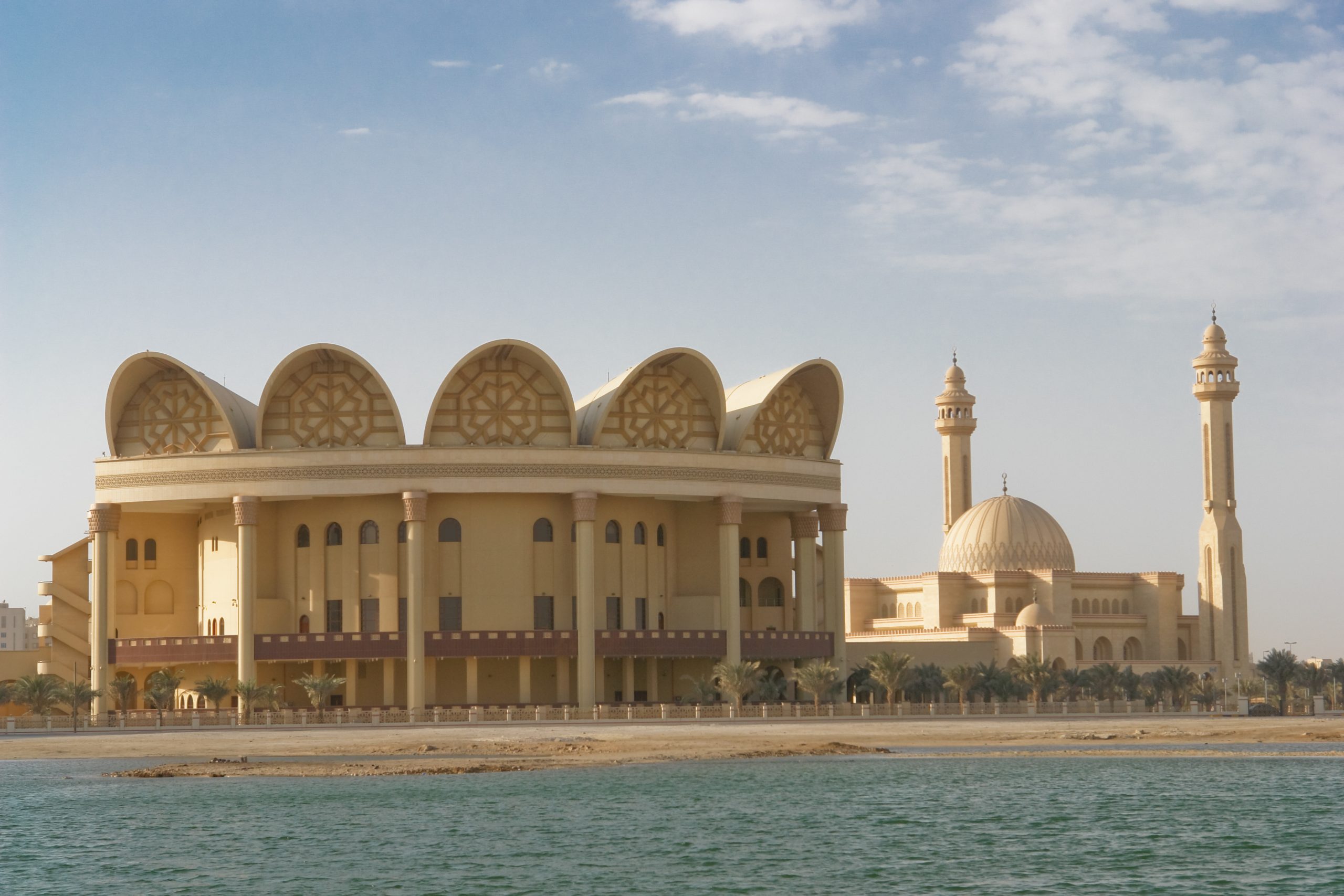
Wednesday, 10 June — Iran launched several rounds of missile and drone attacks against Kuwait and Bahrain over two days. Kuwait announced it dealt with 24 drones over 48 hours. Iran’s Islamic Revolutionary Guard Corps said the attacks targeted US military facilities, but Bahrain also reported damage to residential areas and injuries, including an 11-year-old girl.
State of Kuwait

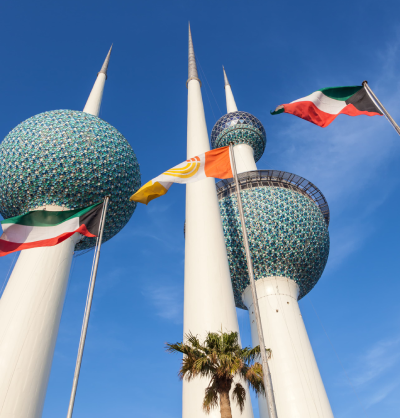
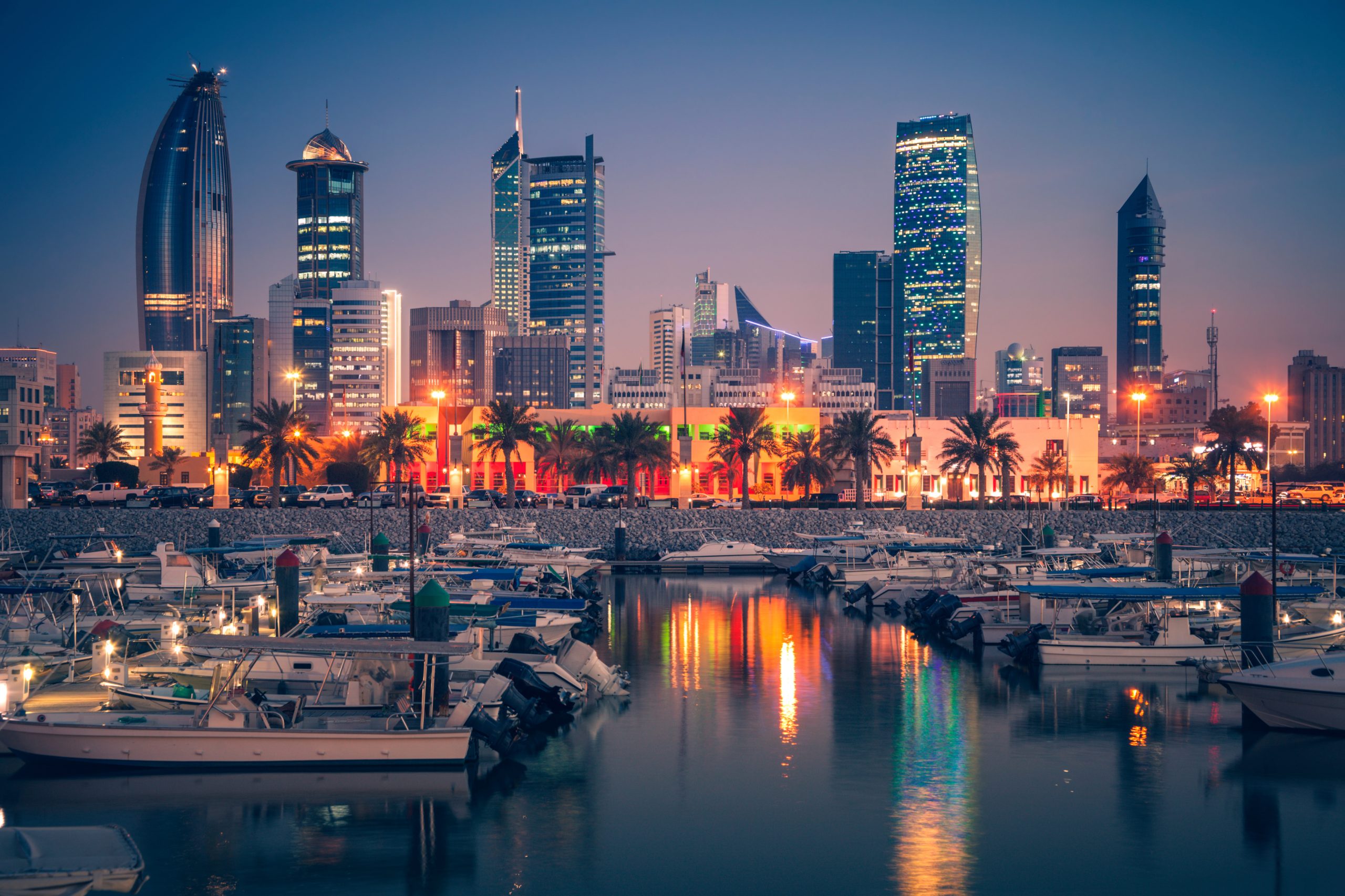
State of Kuwait Thursday, 11 June — Kuwait temporarily suspended the issuance of commercial visit visas for all nationalities until further notice, a move expected to disrupt business travel to the Gulf state. The suspension applies to visas used for short-term business activities such as meetings, conferences, seminars, client engagements, and contract negotiations.
Sultanate of Oman

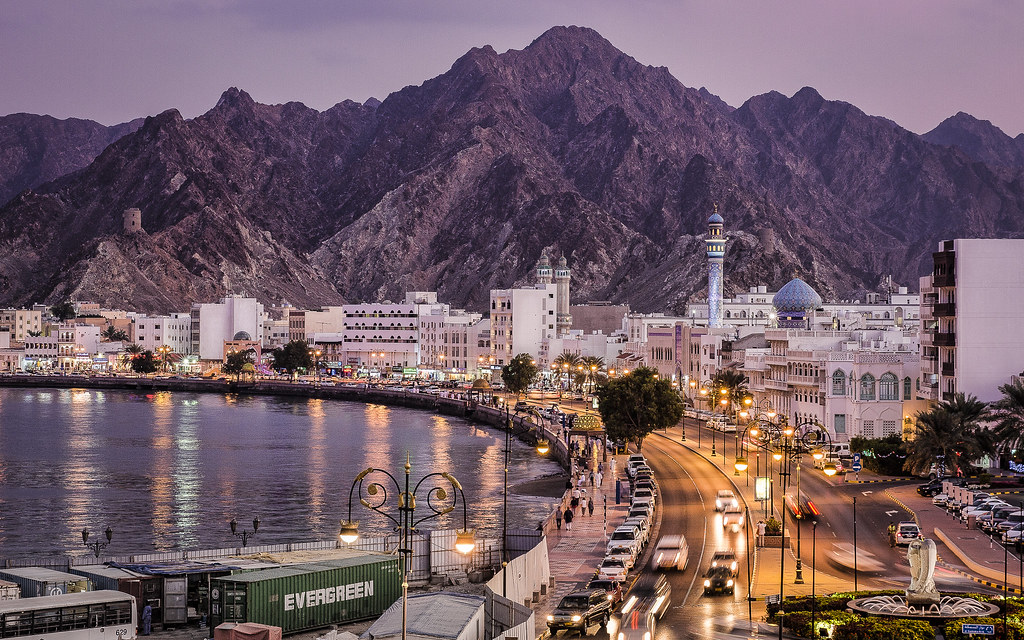
Monday, 15 June — While chairing the meeting of the Council of Ministers at Al Barakah Palace, Sultan Haitham bin Tariq announced the establishment of an Economic Coordination Council to be chaired by the Deputy Prime Minister for Economic Affairs. The aim is to align government policies with the private sector’s needs, support the growth of key sectors, promote a more balanced development model and increase private sector contributions to the economy.
State of Qatar

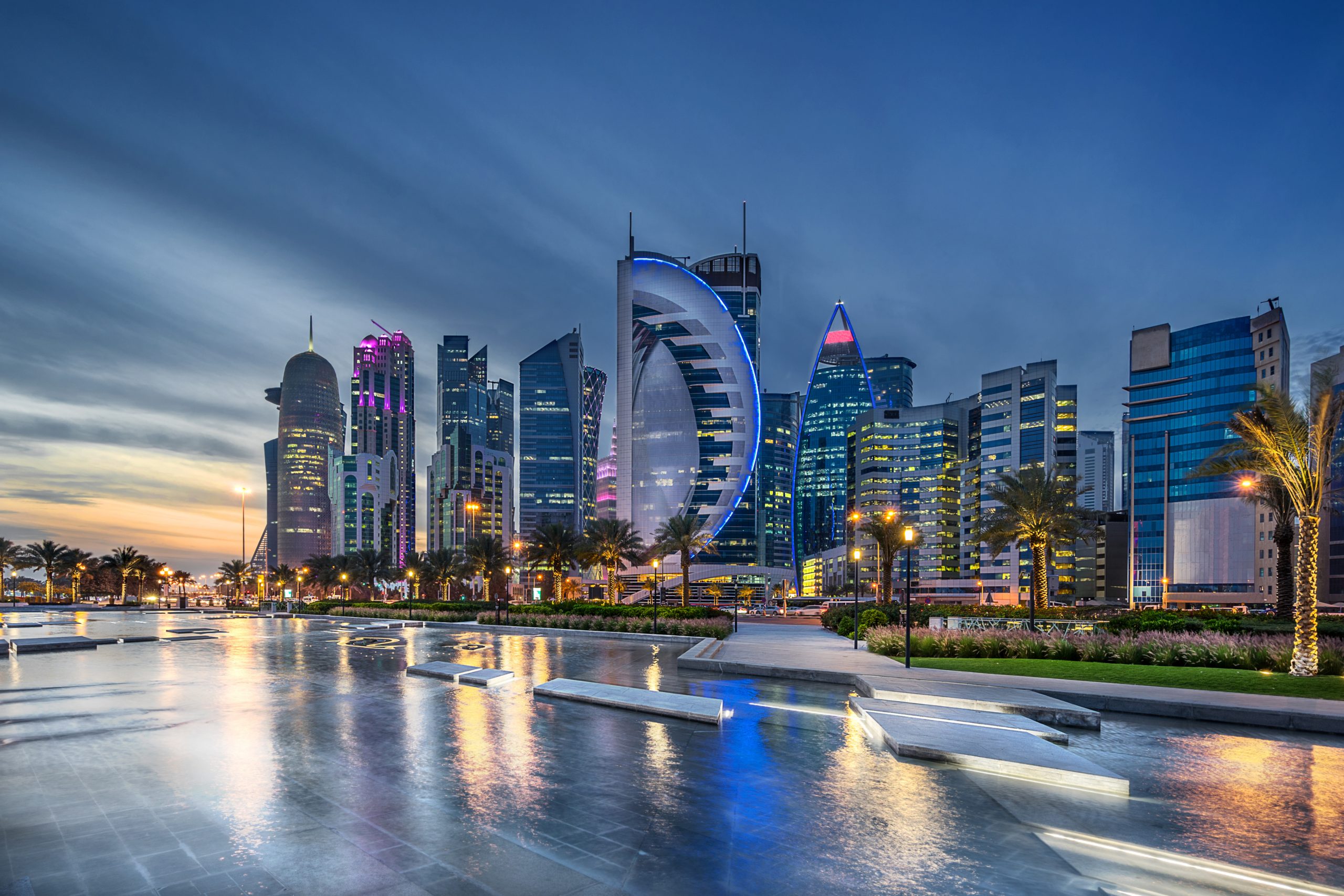
Friday, 12 June — Qatar strongly rejected allegations published by The Washington Post claiming coordination with Iran over energy production decisions, describing the report as based on unreliable sources. Officials said the claims were designed to undermine Qatar’s mediation efforts, damage its reputation, and weaken its strategic partnership with the United States.
Kingdom of Saudi Arabia

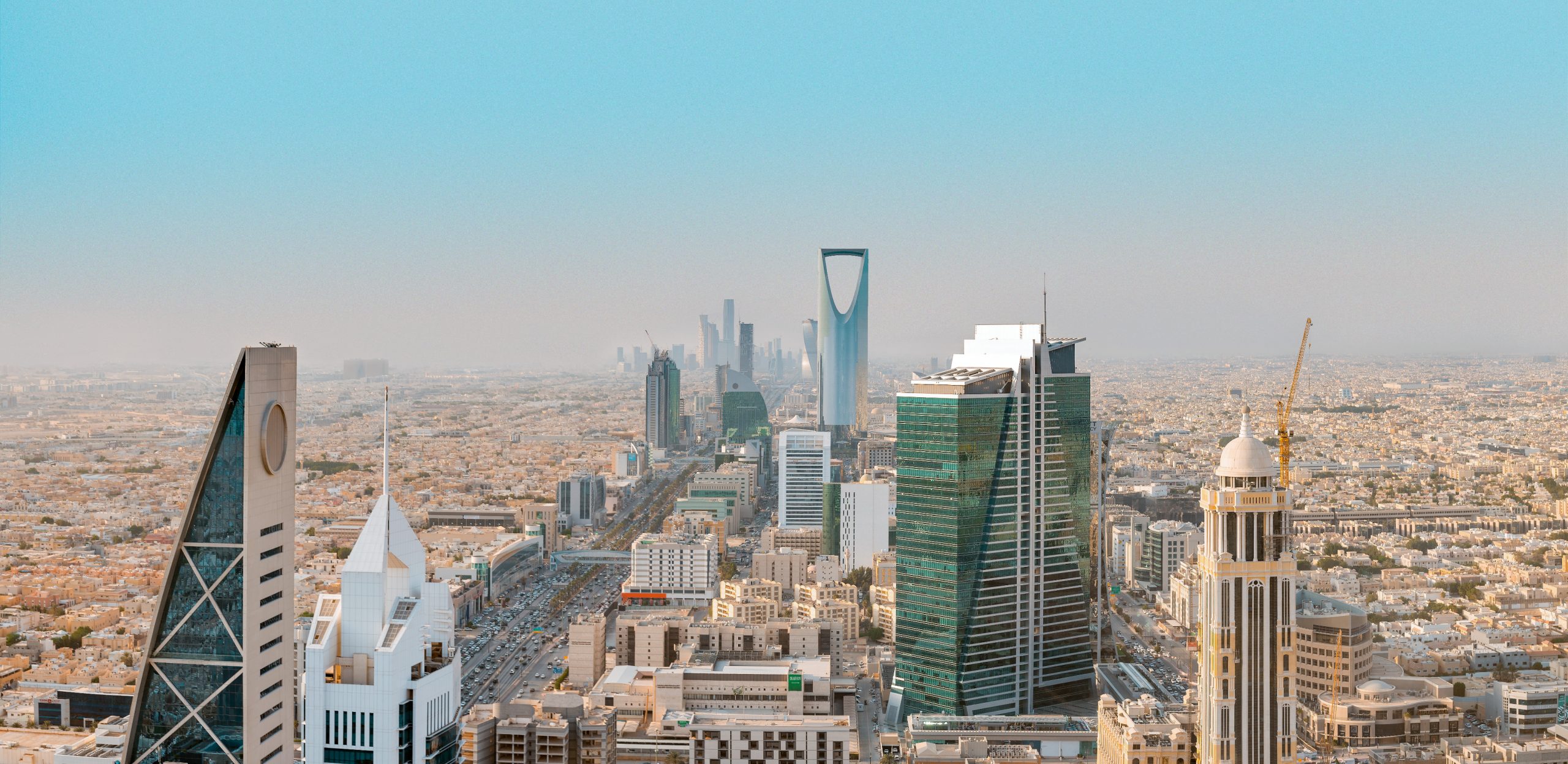
Monday, 15 June — Saudi Sports Minister Abdulaziz bin Turki Al Saud announced that the government will work closely with FIFA in order to ensure ticket affordability and fan safety for the FIFA World Cup 2034 hosted by the Kingdom. The World Cup in Saudi Arabia is set to be one of the largest economic projects of the decade for the country.
United Arab Emirates

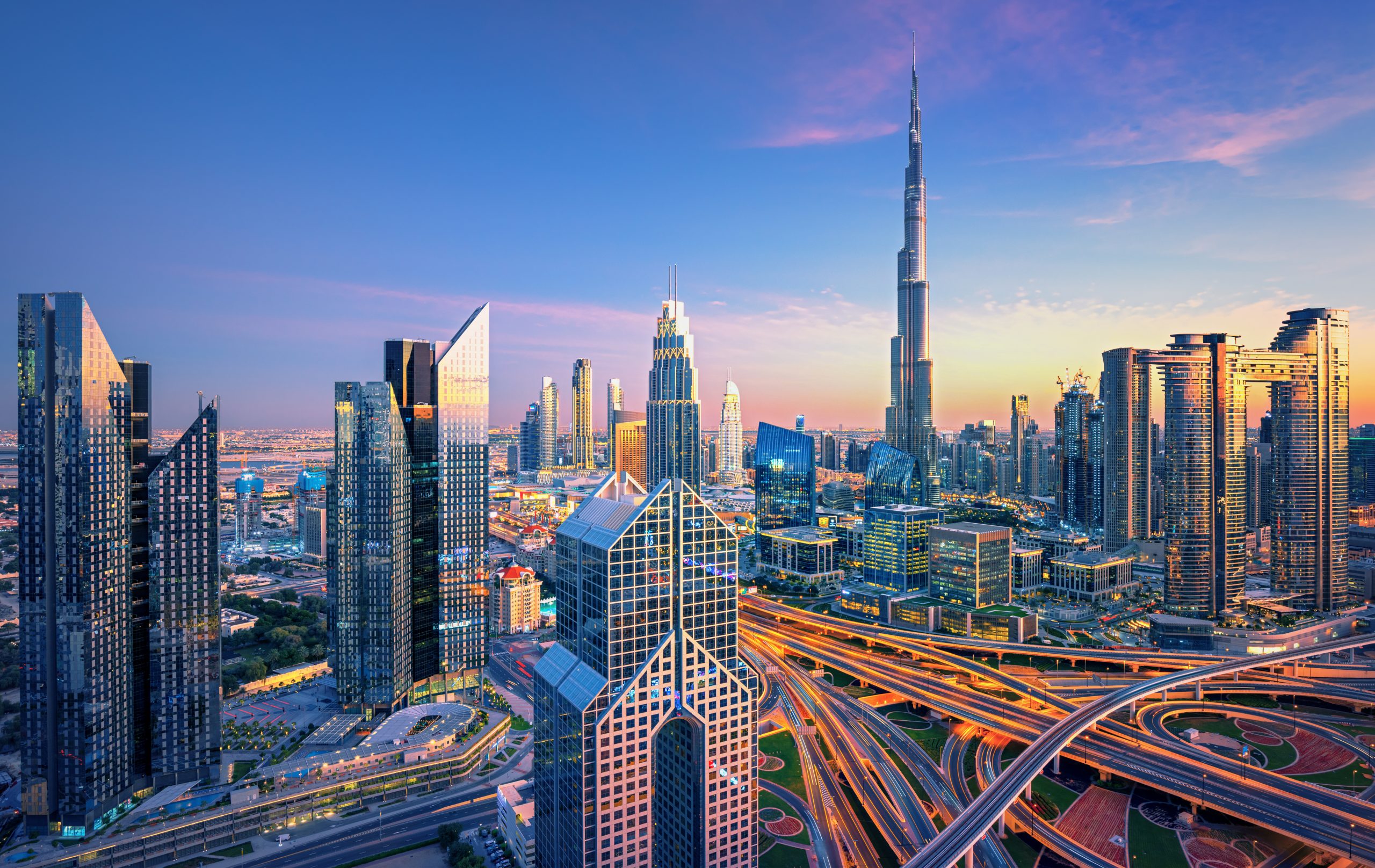
Tuesday, 16 June — Mubadala Investment Company, Abu Dhabi’s sovereign wealth fund, acquired a €172 million stake in Greenlink, a subsea electricity connector that links the UK and Ireland. The company said that the acquisition reflected its interests in investing in infrastructure linked to long-term global trends, as well as expanding the company’s presence in European energy infrastructures.
EU Corner
Thursday, 11 June — European Council President Antonio Costa held a phone call with Bahrain’s King Hamad bin Isa Al Khalifa to express the EU’s ‘full solidarity’ with Bahrain following the latest ‘unjustified’ Iranian attacks, calling for deescalation and diplomacy. The EU vowed to continue supporting Bahrain as it holds the GCC Presidency and the non-permanent seat in the UN Security Council.
Monday, 15 June — During the Foreign Affairs Council, EU Foreign Ministers welcomed the US-Iran agreement to extend the current ceasefire by 60 days and to restore open, toll-free navigation through the Strait of Hormuz, but stressed the need to address Iran’s nuclear and ballistic missile programmes. The EU High Representative said the EU is ready to support a lasting resolution, offering both economic leverage and nuclear expertise to help advance negotiations.
Tuesday, 16 June — European Commission President Ursula von der Leyen participated in the G7 leaders’ meeting with Middle Eastern partners, including the leaders of Qatar and the UAE, in France. She called for ensuring full restoration of freedom of navigation in the Strait of Hormuz and decreasing dependence on Hormuz by working on alternative supply routes and trade corridors, such as the India-Middle East-Europe Economic Corridor (IMEC).
Key Official Visits & Contacts
Wednesday, 10 June — Bahrain chaired the 167th session of the GCC Ministerial Council in Manama. The parts reviewed the progress of joint Gulf actions and monitored the implementation of decisions issued by the GCC Supreme Council. The meeting also condemned the renewed Iranian attacks targeting Bahrain, Kuwait and Jordan.
Wednesday, 10 June — The 3rd GCC-Canada Strategic Dialogue Ministerial Meeting took place in Manama, with the participation of the Foreign Ministers of all the GCC countries, Jasem Mohamed Albudaiwi, Secretary General of the Gulf Cooperation Council (GCC) and Anita Anand, Canada’s Minister of Foreign Affairs. The parts discussed relations between the GCC countries and Canada, as well as ways to enhance economic and trade cooperation.
Wednesday, 10 June — Swedish Foreign Minister Maria Malmer Stenergard continued her tour of the Gulf countries, with previous stops in Qatar and Saudi Arabia. In Abu Dhabi, she met with Emirati Foreign Minister Abdullah bin Zayed Al Nahyan to discuss the Iranian attacks on the UAE and their impact on the global economy, maritime traffic and energy supplies. Stenergard expressed solidarity with the UAE and support for all necessary measures to protect its sovereignty.
Thursday, 11 June — NATO’s Special Representative for the Southern Neighbourhood, Javier Colomina, visited the UAE and Bahrain for talks with Lana Nusseibeh, UAE Minister of State, and Bahrain’s Minister of Defence, Lt Gen Abdullah bin Hassan Al Nuaimi. In both meetings, Colomina expressed NATO’s solidarity and support and discussed strengthening cooperation in defence investment, countering unmanned aircraft systems, resilience, and maritime security.
Thursday, 11 June — The Qatari Emir Tamim bin Hamad Al Thani held a phone call with the US President, Donald Trump. The discussions covered diplomatic efforts to ease regional tensions, with both leaders reviewing progress in US-Iran negotiations. President Trump noted that understandings had been reached with Iran, while the Qatari Emir reaffirmed support for dialogue and de-escalation.
Sunday, 14 June — In Doha, the Minister of State for Energy Affairs, Saad bin Sherida Al Kaabi, met with the Minister of Energy and Minerals of the Oman, Salim bin Nasser Al Aufi. The two sides reviewed bilateral energy relations and discussed ways to strengthen cooperation between Qatar and Oman in the energy sector.
Tuesday, 16 June — UAE President Mohamed bin Zayed Al Nahyan and Qatar’s Emir Tamim bin Hamad Al-Thani participated in the G7 Meeting in Évian-les-Bains, France. Saudi Crown Prince Mohammed bin Salman Al Saud was unable to attend due to prior commitments. The meeting provided an important opportunity to discuss pressing international priorities, particularly efforts to promote peace and stability in the Middle East.
The Week Ahead
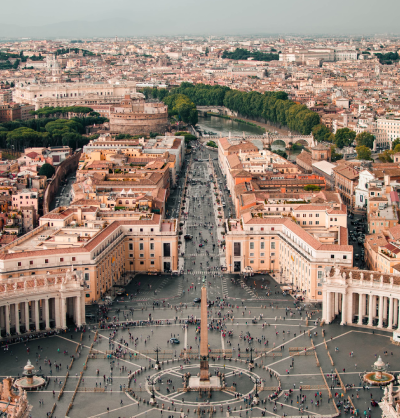
17-19 June — Saudi Arabia will host the debut Future Investment Initiative (FII) Priority Europe 2026 in Rome, Italy.
18-19 June — EU leaders will meet in Brussels for the European Council summit to discuss the situation in the Middle East and the developments regarding the Iran conflict.
19-27 June — Qatar will be holding World Cup workshops at the Qatar Olympic and Sports Museum.