



5 Top Points
- Iran targeted Kuwait and Bahrain with over 40 missiles and drones, causing casualties and damage at Kuwait International Airport’s Terminal 1.
- AD Ports Group’s acquisition of Brazil’s Corredor Logística e Infraestrutura marks its first major expansion into Latin America and strengthens global trade connectivity.
- OPEC+ members agreed to raise oil production by 188,000 barrels per day starting in July.
- Qatar and Iran discussed mediation efforts between the US and Iran amid renewed Iran–Israel military exchanges.
- The EU imposed sanctions on two Iranian individuals and one entity for obstructing maritime traffic in the Strait of Hormuz.
‘Round and About the Gulf’
Kingdom of Bahrain

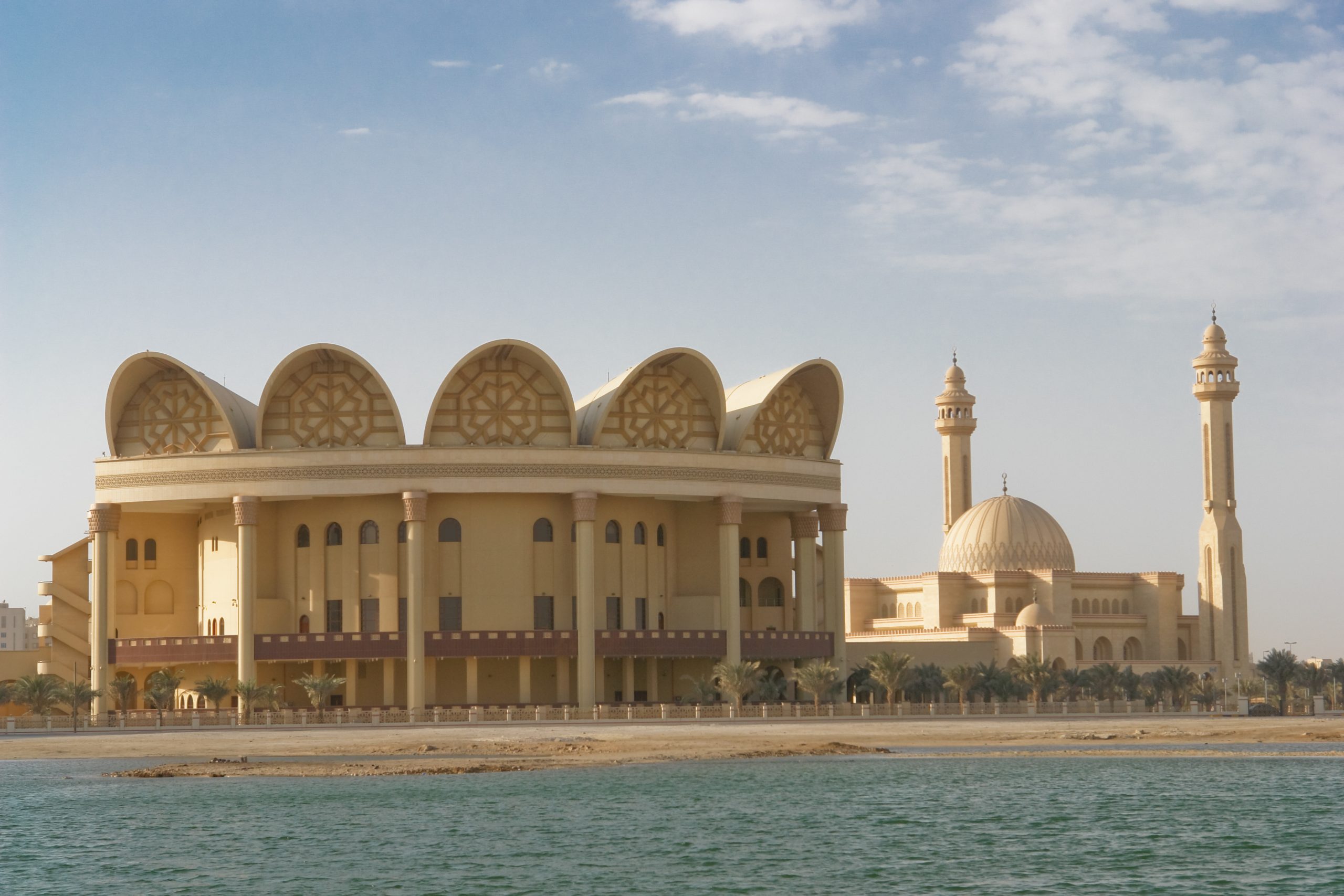
Wednesday, 3 June — Bahrain announced that it would indefinitely ban its citizens from travelling to Iraq and Iran due to the security concerns and regional instability amid the Iranian attacks. As announced by the Interior Ministry, the decision stems from the keenness to protect the security and safety of all Bahraini citizens and the country.
Saturday, 6 June — The General Command of the Bahrain Defence Force announced that the air defence systems intercepted 3 missiles and several drones.
State of Kuwait

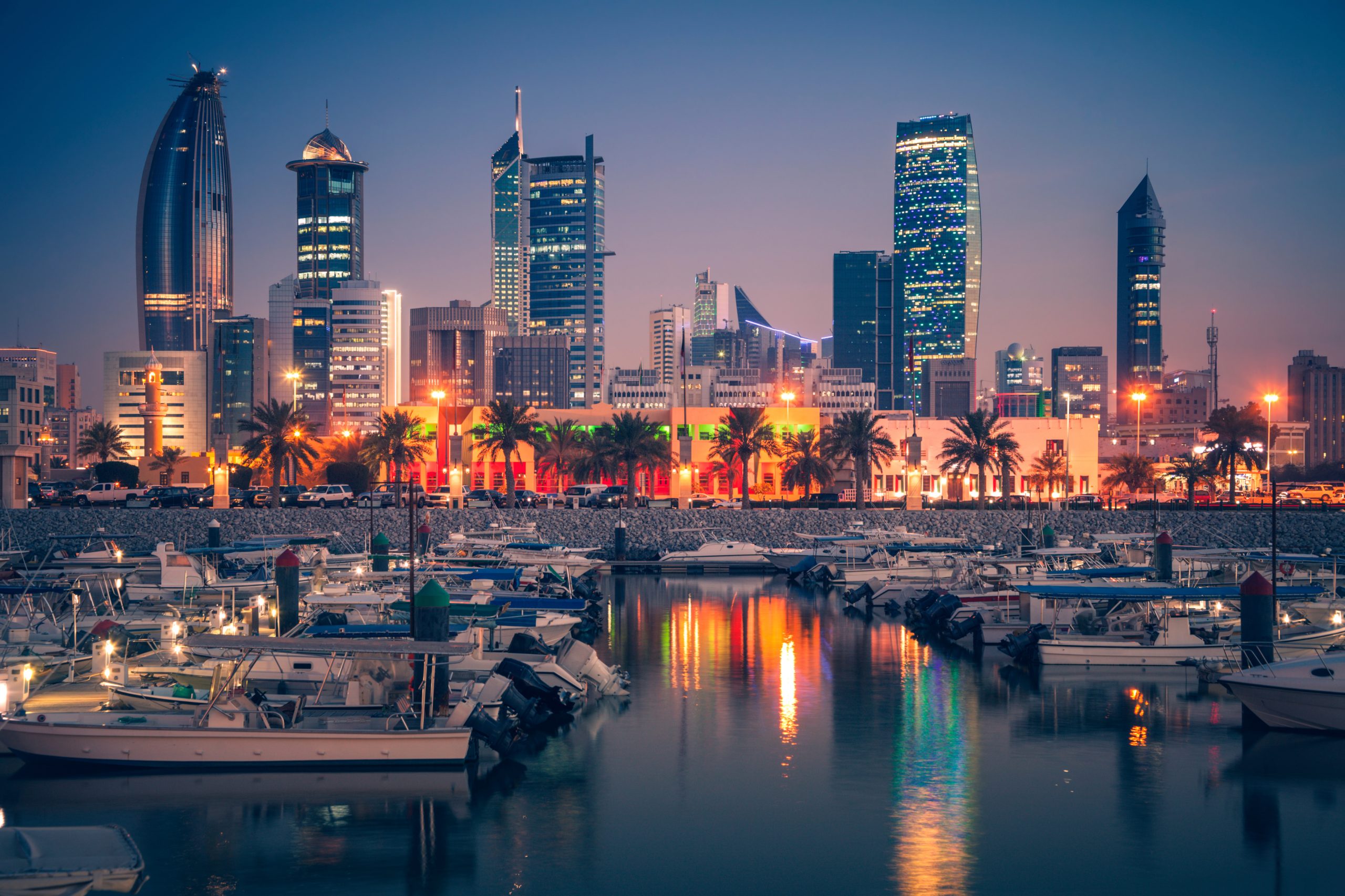
Wednesday, 3 June — Iran targeted Kuwait with 13 missiles and 17 drones, marking a further escalation in the region. The attack caused severe damages to the Terminal 1 of the international airport building, and resulted in the death of one individual and the injury of 63 people. The International Air Transport Association (IATA) warned that the Terminal might need a year-long recovery after the strikes, expecting it to be heavily disrupted for an extended period of time.
Saturday, 6 June — The Kuwaiti Army announced the interception of 7 ballistic missiles.
Sultanate of Oman

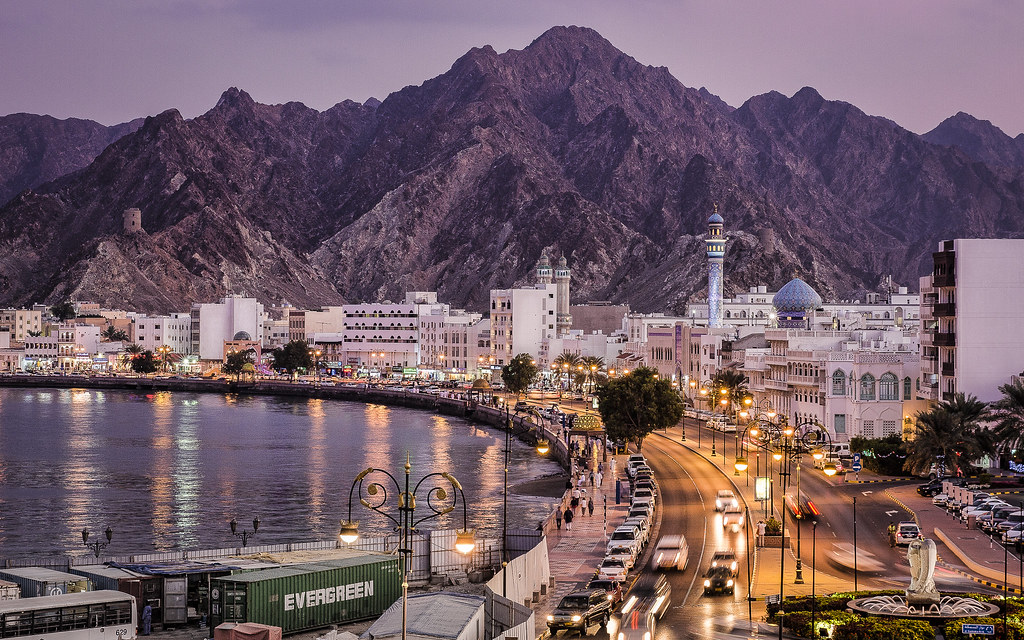
Wednesday, 4 June — Oman’s Asyad Group announced the acquisition of the controlling stakes in logistic platforms located in Tashkent, Uzbekistan, securing the group’s ownership of critical freight gateways in Central Asia. These assets mount up to approximately 25% of Uzbekistan’s railway container traffic and secure a dominant share in the warehousing segment.
State of Qatar

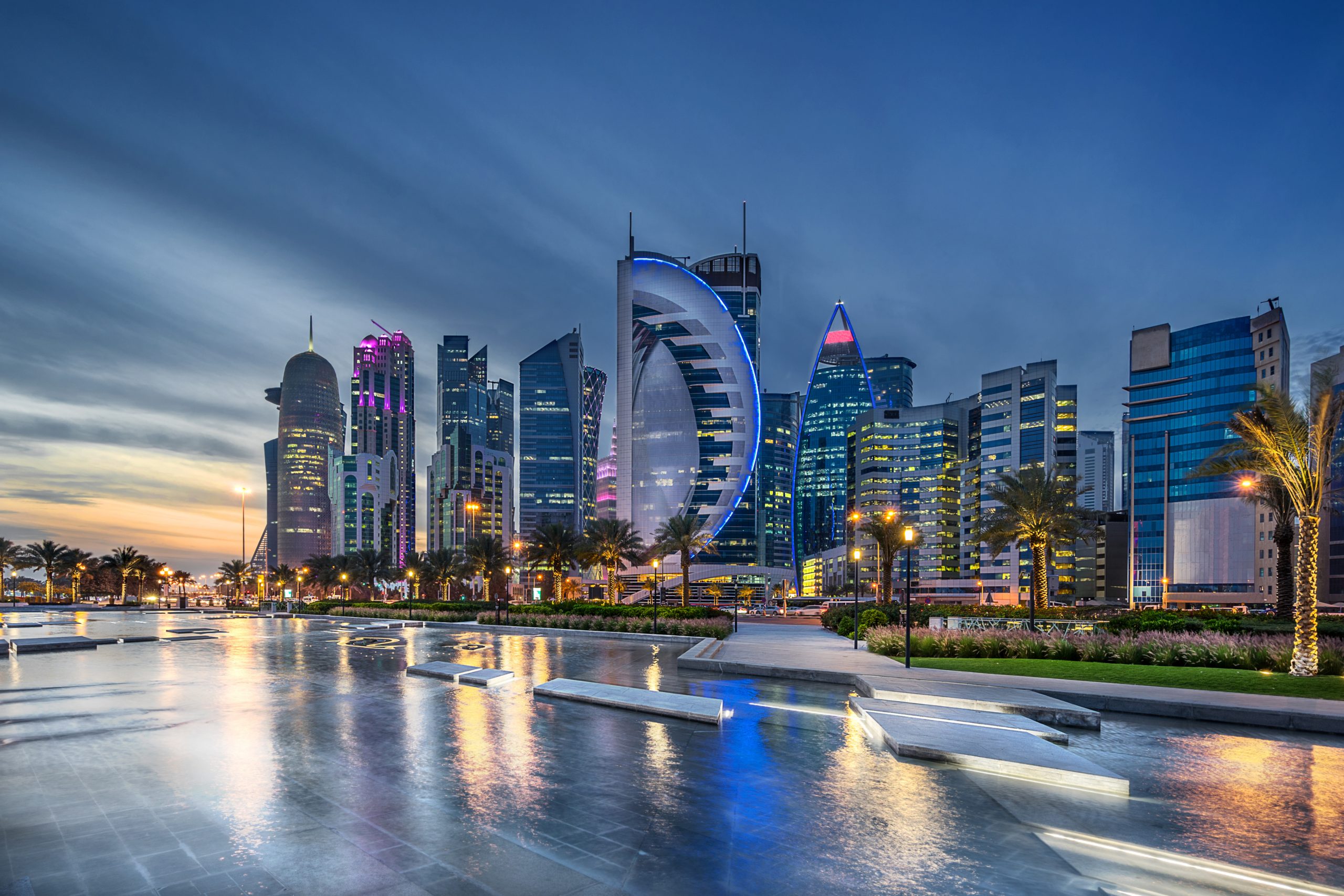
Tuesday, 9 June — The 22nd edition of Project Qatar 2026, an international construction and building materials exhibition, opened in Doha. This year’s theme is ‘Innovation & Sustainability: Qatar’s Path to 2030’, aligned with Qatar’s National Vision 2030. The aim of the exhibition is to contribute to the development of the country’s construction sector, highlighting sustainable practices and technological advancements.
Kingdom of Saudi Arabia

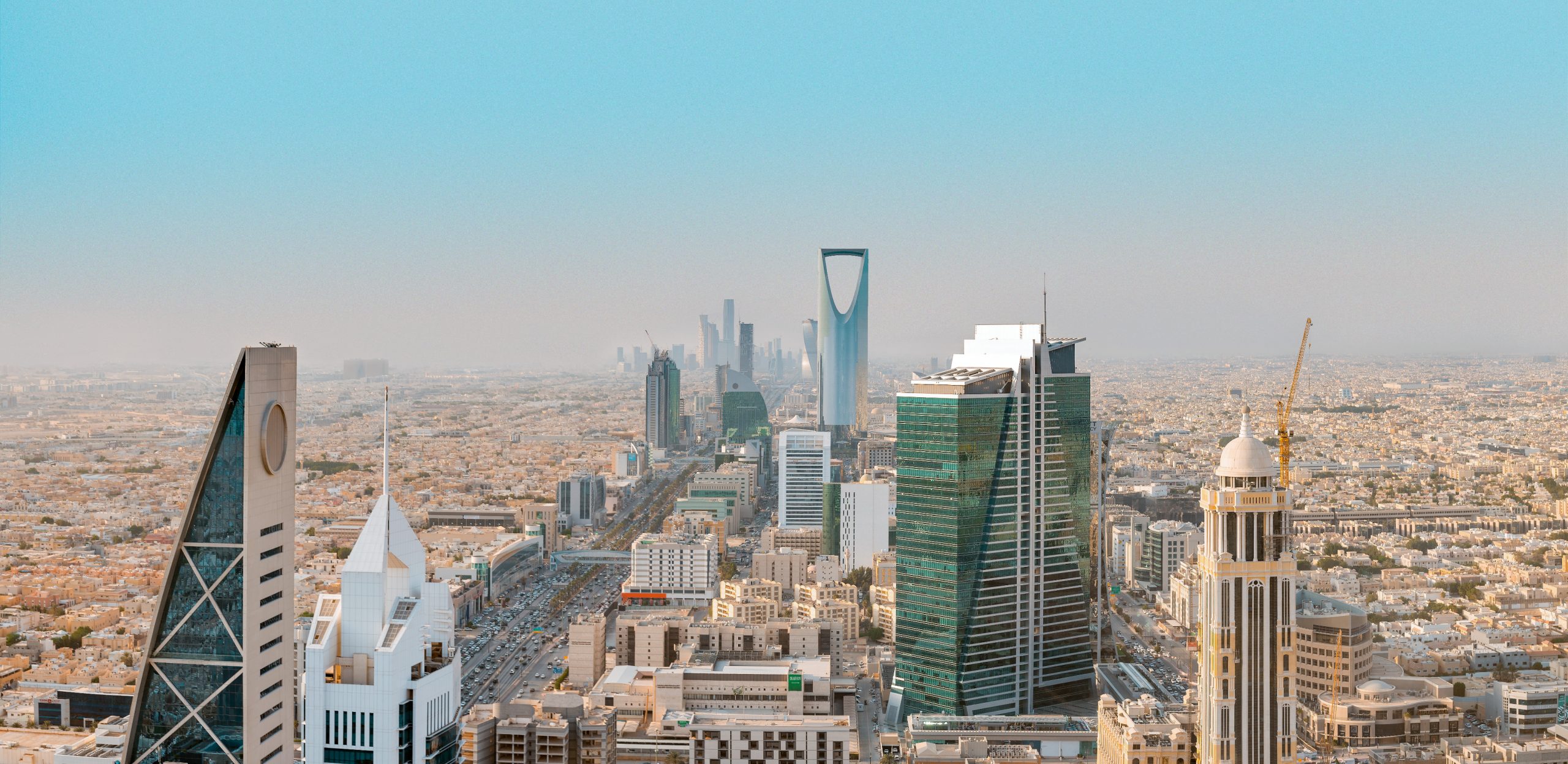
Friday, 5 June — On the sidelines of St Petersburg International Economic Forum (SPIEF), Bandar Alkhorayef, Saudi Arabia’s Minister of Industry and Mineral Resources, announced that the Kingdom is eyeing a pivotal role in the global mining sector, as it represents one of the main pillars to achieve the targets of Vision 2030 and to diversifying the national economy.
United Arab Emirates

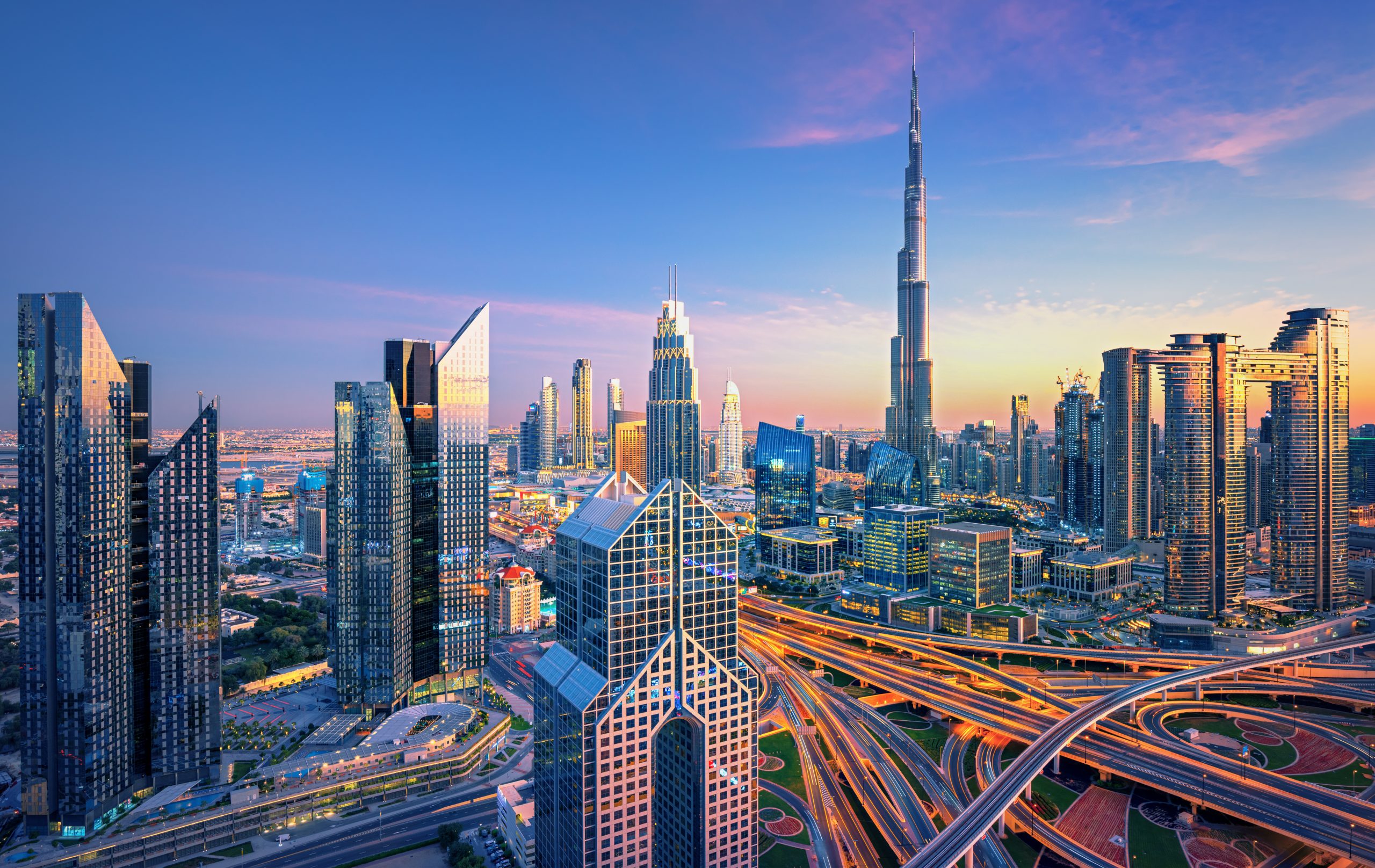
Thursday, 4 June — AD Ports Group marked its first entry into Latin America with the acquisition of Brazilian agri-bulk terminal operator Corredor Logística e Infraestrutura for €723.6 million. The deal gives the Emirati-based company control over two major export hubs located in the Port of Santos and in the Port of Itaqui. It expands the company’s international footprint, prioritises agri-food logistics and establishes a major East-West trade route linking South America with Africa and Asia.
EU Corner
Wednesday, 8 June — EU High Representative Kaja Kallas called for renewed negotiations following overnight exchange of fire between Israel and Iran, warning against returning to a full scale conflict. During the meeting in Cyprus, EU Defence Ministers condemned Iran’s actions – the closure of the Strait of Hormuz and threatening maritime traffic with drones – as ‘unacceptable.’
Wednesday, 8 June — The EU imposed sanctions on two Iranian individuals and one entity for obstructing maritime traffic in the Strait of Hormuz, marking the first application of the EU’s new freedom of navigation sanctions regime. The sanctions target the IRGC Navy’s Hormozgan Provincial Command, Mohammad Akbarzadeh, IRGC Navy Deputy Commander for Political Affairs, and Hamid Hosseini, representative of Iran’s Oil, Gas and Petrochemical Products Exporters’ Union.
Key Official Visits & Contacts
Wednesday, 3 June — Oman and Belarus signed seven Memoranda of Understanding (MoUs) pertaining to food security, artificial intelligence applied to water, soil and agricultural sectors, joint mobilisation, smart cities, urban planning infrastructure and geographic information system. It came on the sidelines of the Oman-Belarus Business Forum in Minsk.
Wednesday, 3 June — Qatari Advisor to the Prime Minister and Spokesperson for the Foreign Ministry Majed bin Mohammed Al Ansari held talks with Wolfgang Silbermann, Director-General of the Foreign Policy Department of the German President’s Office, and several officials from Germany’s Ministry of Defence and the Federal Foreign Office in Berlin. They discussed ways to strengthen bilateral cooperation and the recent regional developments, notably the mediation efforts between the US and Iran.
Wednesday, 3 June — The International Atomic Energy Agency (IAEA) Director General Rafael Mariano Grossi continued his Gulf tour, with stops in Qatar, the UAE and Saudi Arabia. Grossi’s talks with the countries’ respective Foreign Ministers focused on nuclear non-proliferation, nuclear safety and security at both the regional and international levels. In the UAE, Grossi also visited the Barakah Nuclear Energy Plant, which was earlier attacked by Iran.
Thursday, 4 June — Kuwaiti Interior Minister Fahad Yousef Saud Al-Sabah and Jordanian Interior Minister Mazen Faraya met in Amman to discuss enhancing security cooperation between the two countries, the expansion of joint training programmes and the strengthening of their strategic partnership.
Friday, 5 June — Saudi Arabia’s Crown Prince and Prime Minister Mohammed bin Salman Al Saud received a phone call from the Lebanese President Joseph Aoun. The parts discussed the recent regional developments, focusing on Lebanon’s theatre. Additionally, President Aoun expressed deep appreciation for the Kingdom’s position regarding Lebanon and its support for peace and stability in the region.
Sunday, 7 June — The seven OPEC+ countries (Algeria, Iraq, Kazakhstan, Kuwait, Oman, Russia and Saudi Arabia) met virtually to discuss the global market conditions and outlook, and agreed to increase oil production targets by 188,000 barrels per day from July. The participating countries highlighted how this measure can accelerate their compensation. They also underlined the importance of flexibility amid such volatility, by increasing, pausing or reversing the adjustments.
Monday, 8 June — Qatari Prime Minister and Foreign Minister Mohammed bin Abdulrahman Al Thani spoke with Iranian Foreign Minister Abbas Araghchi about the recent mediation efforts between the United States and Iran, and the latest developments in Lebanon. The call came as tensions between Iran and Israel escalated with Iranian missile attacks on Israel and Israeli air strikes on military sites in Iran, their first direct fire exchange since the April ceasefire.
The Week Ahead
15-17 June — G7 Summit in Évian-les-Bains, France.
15 June — EU Foreign Affairs Council in Luxembourg.
16 June — Islamic New Year (1448 AH).