


5 Top Points
- EU-Bahrain institutional dialogue resumes: The European External Action Service hosted the latest EU-Bahrain Human Rights Dialogue, underscoring Brussels’ preference for structured engagement with Gulf partners on governance, labour, and rule-of-law themes.
- Qatar-EU parliamentary channel upgraded: In Strasbourg, the 6th EU-Qatar Inter parliamentary Meeting reinforced Doha’s messaging that it wants to be a ‘strategic’ European partner. The meeting between the European Parliament’s Arab Peninsula delegation and Qatar’s Shura Council focused on security, energy, and regional crisis coordination.
- EU Special Representative and GCC Secretary-General align at Munich: Luigi Di Maio met Jasem Mohamed Albudaiwi on the sidelines of the Munich Security Conference, reviewing EU-GCC relations.
- Saudi ‘industrial-security’ momentum: Riyadh used the closing of World Defence Show 2026 and parallel industry messaging to highlight Vision 2030-era priorities, including attracting defence business, expanding domestic capability, and tightening supply-chain localisation.
- UAE chairs emergency League of Arab States meeting on West Bank settlement expansion: In Cairo, the UAE led an emergency session of Arab League permanent representatives to coordinate Arab and international responses to recent Israel decisions to expand settlements in the Palestinian territories.
‘Round and About the Gulf’
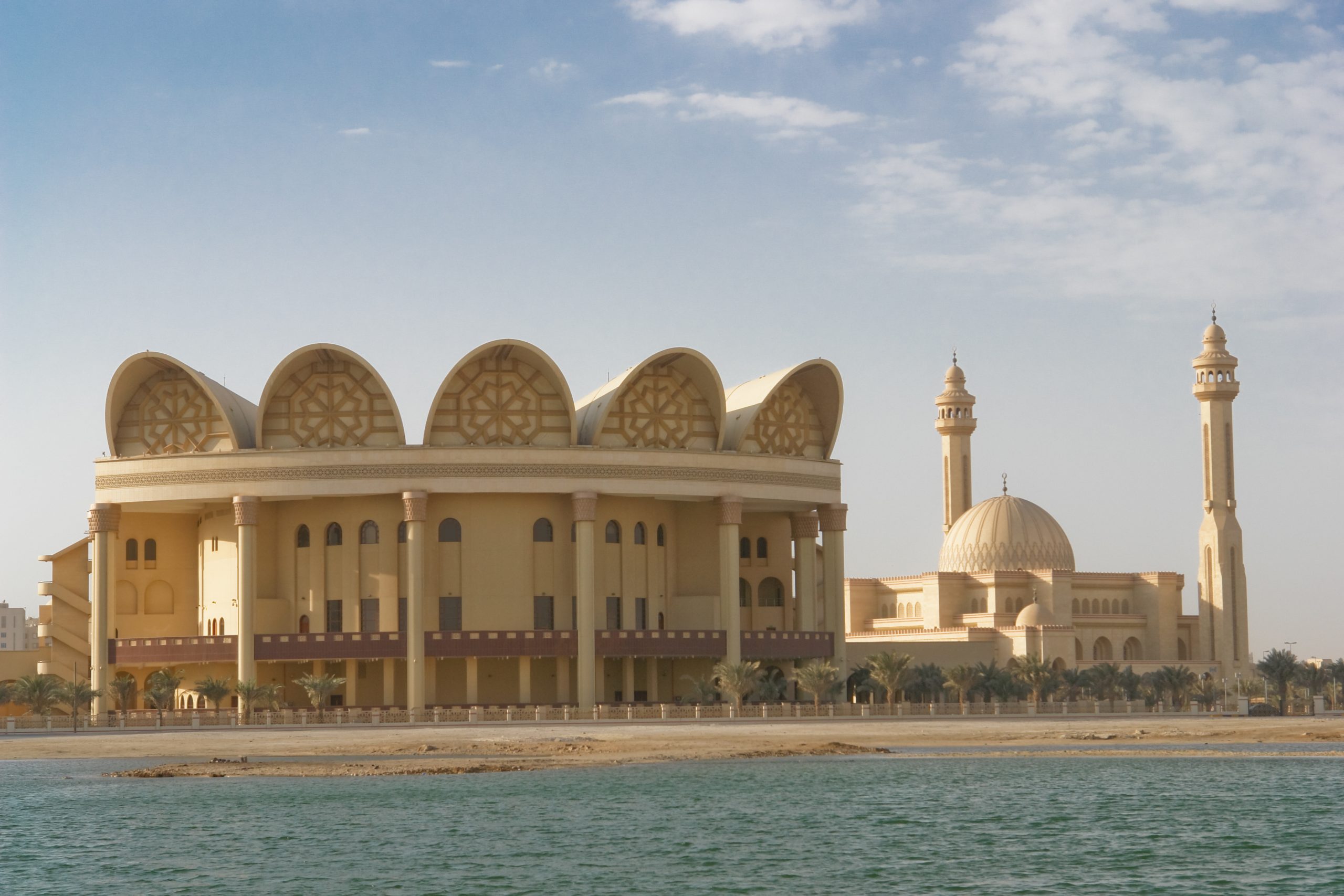
Kingdom of Bahrain

Wednesday, 11 February – Bahrain’s Social Development Minister Osama bin Saleh Al Alawi participated in a high-level Arab and international event focused on entrepreneurship and inclusive development, part of Manama’s broader push to frame diversification as labour-market and social policy delivery, not just investment branding.
Saturday, 15 February – Labour Fund Tamkeen announced a new 2026-2030 strategy, reinforcing Bahrain’s ‘skills and private-sector productivity’ model as the centrepiece of its diversification narrative.
State of Kuwait

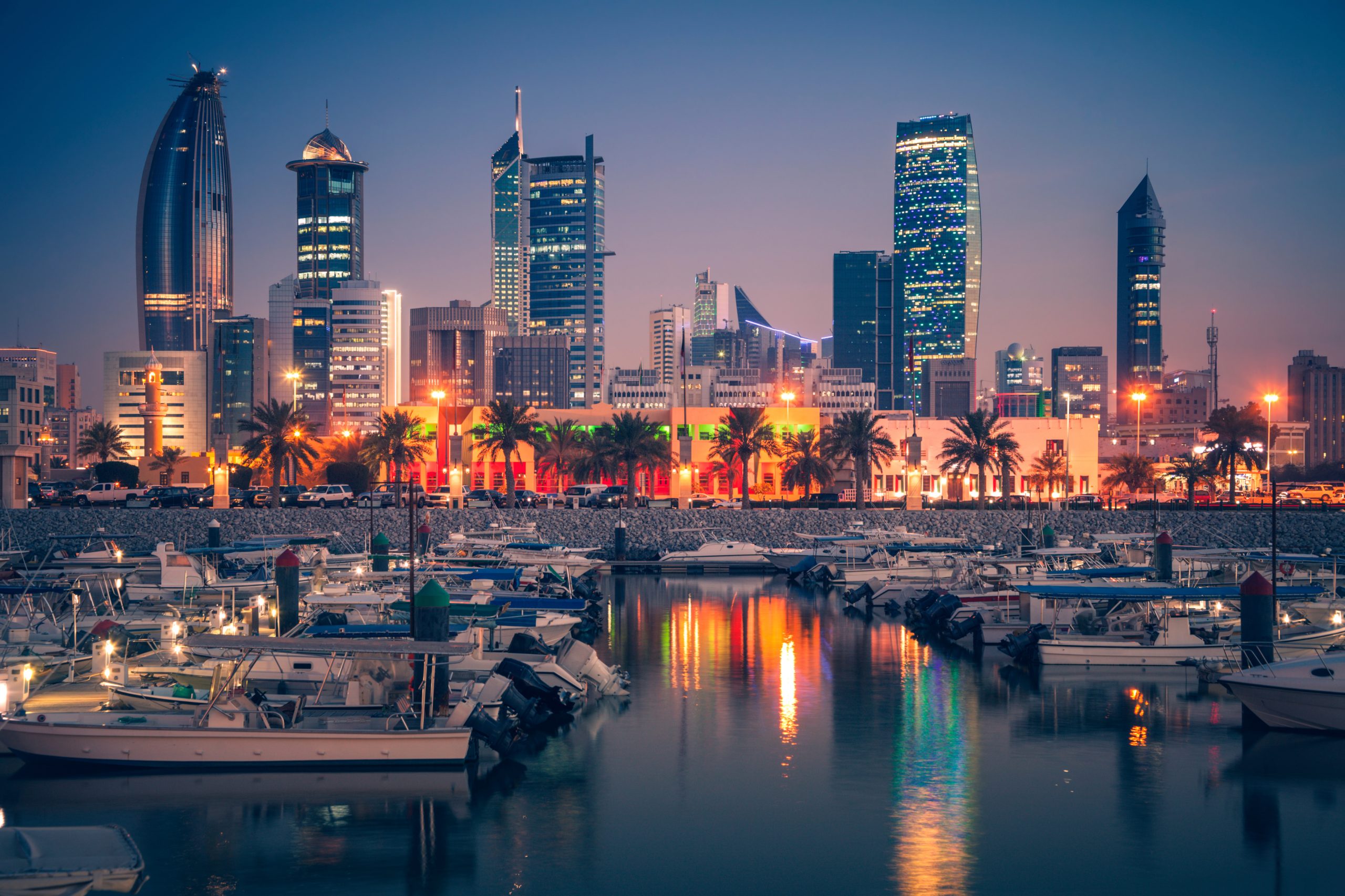
Wednesday, 11 February – Kuwait unveiled the draft state budget for FY 2026-2027, again spotlighting the structural issue that Gulf fiscal sustainability increasingly depends on non-oil revenue reforms, expenditure discipline, and credible private-sector growth pathways.
Friday-Sunday, 13-15 February – Sheikh Ahmad Abdullah Al-Ahmad Al-Sabah participated in the Munich Security Conference, holding a series of meetings, including with the Lebanese and Yemeni leadership and UNHCR, that showcased Kuwait’s continued humanitarian and stabilisation positioning.
Friday, 13 February – Kuwait’s Foreign Minister Sheikh Jarrah Jaber Al-Ahmad Al-Sabah met counterparts including Germany’s top diplomat, reflecting Kuwait’s intent to keep European channels warm on regional de-escalation and security coordination.
Sultanate of Oman

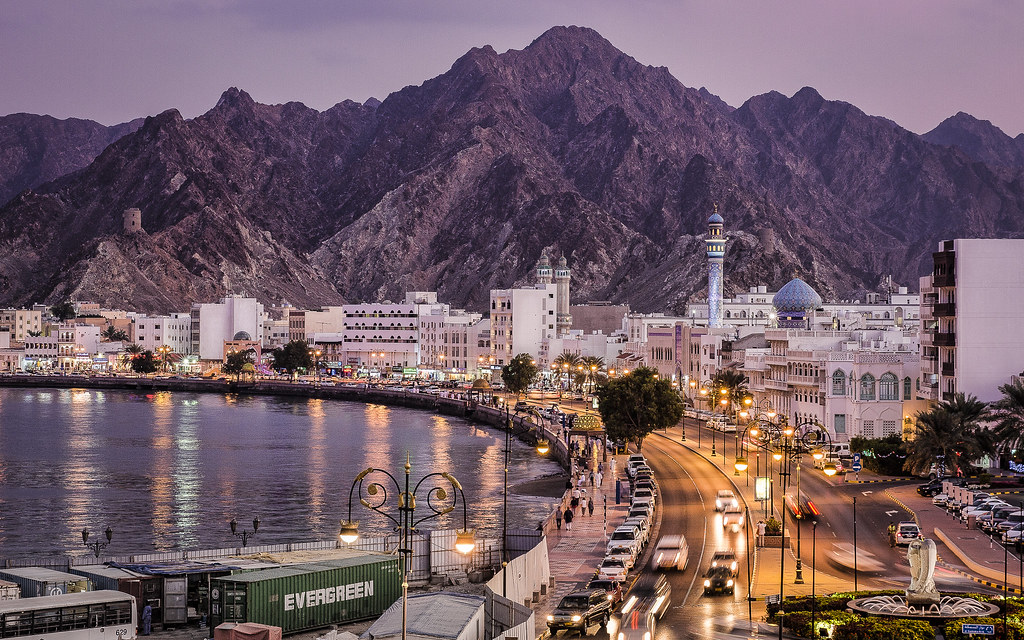
Wednesday, 12 February – Oman signed a concession agreement for Offshore Block 18, part of Muscat’s effort to sustain upstream investment while balancing the longer-term transition agenda.
Monday, 16 February – Sultan Haitham issued a Royal Decree related to the Civil Defence and Ambulance Authority, part of the state-capacity reforms that underpin Oman’s ‘service delivery’ and resilience narrative.
Tuesday, 17 February – Oman’s Foreign Minister Sayyid Badr Al Busaidi held consultations in Geneva with US Special Envoy Steve Witkoff, and separately engaged the IAEA’s Director General Rafael Mariano Grossi, ahead of the latest round of Iran-US negotiations under Omani auspices.
State of Qatar

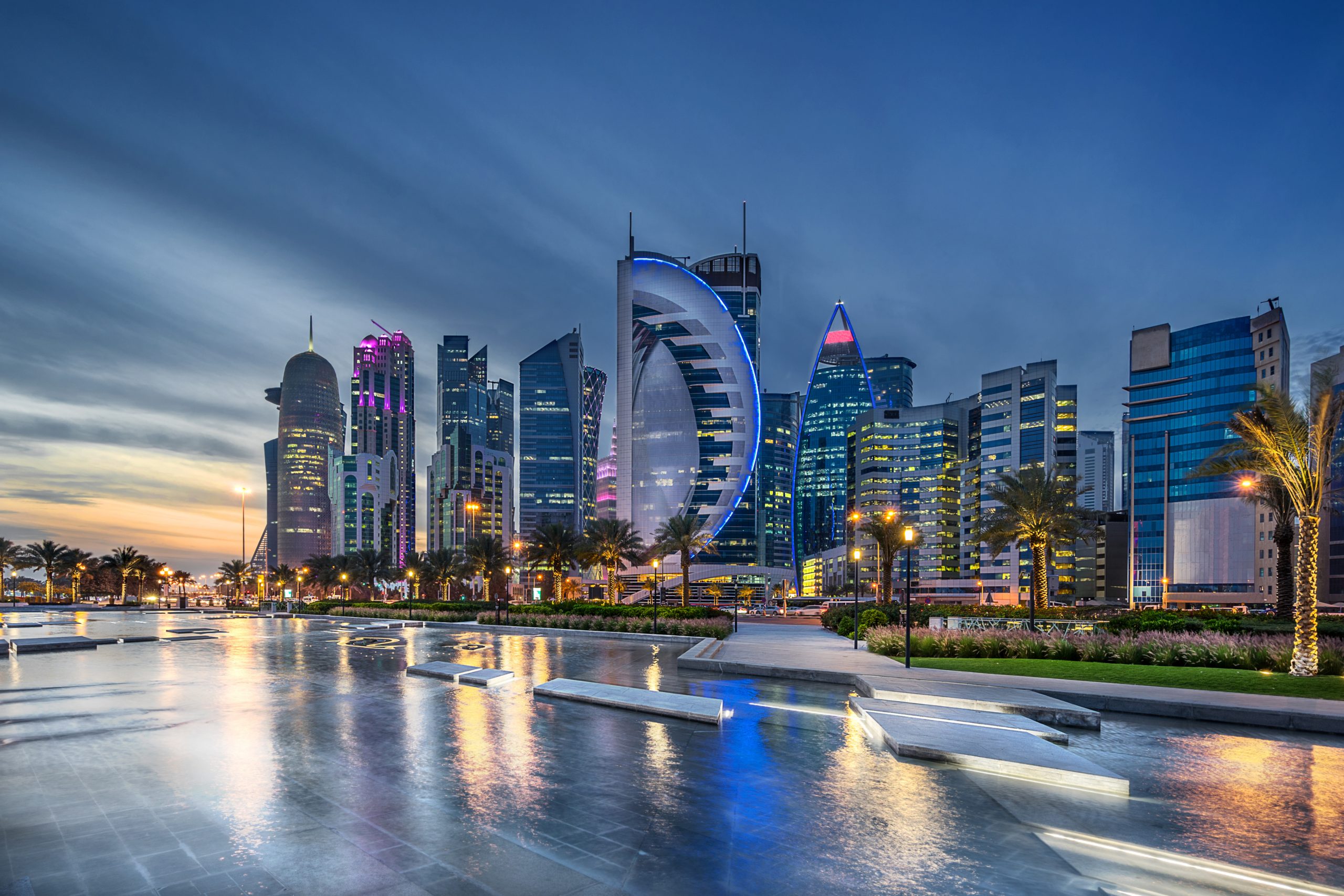
Wednesday, 11 February – Qatar’s Prime Minister and Foreign Minister Mohammed bin Abdulrahman Al Thani met Turkish Foreign Minister Hakan Fidan, covering regional diplomacy and coordination across conflict files where Doha retains leverage.
Thursday, 12 February – The Shura Council stressed Qatar’s desire to be an active partner of Europe during the sixth Qatari-EU parliamentary engagement, enhancing Doha’s argument that it is a reliable interlocutor regarding European crisis-management and energy-security concerns.
Tuesday, 17 February – Qatar took part in an extraordinary meeting of GCC industry undersecretaries, reflective of the quieter but no less enduring struggle for harmonisation of standards, industrial policy, and trade facilitation through the bloc.
Kingdom of Saudi Arabia

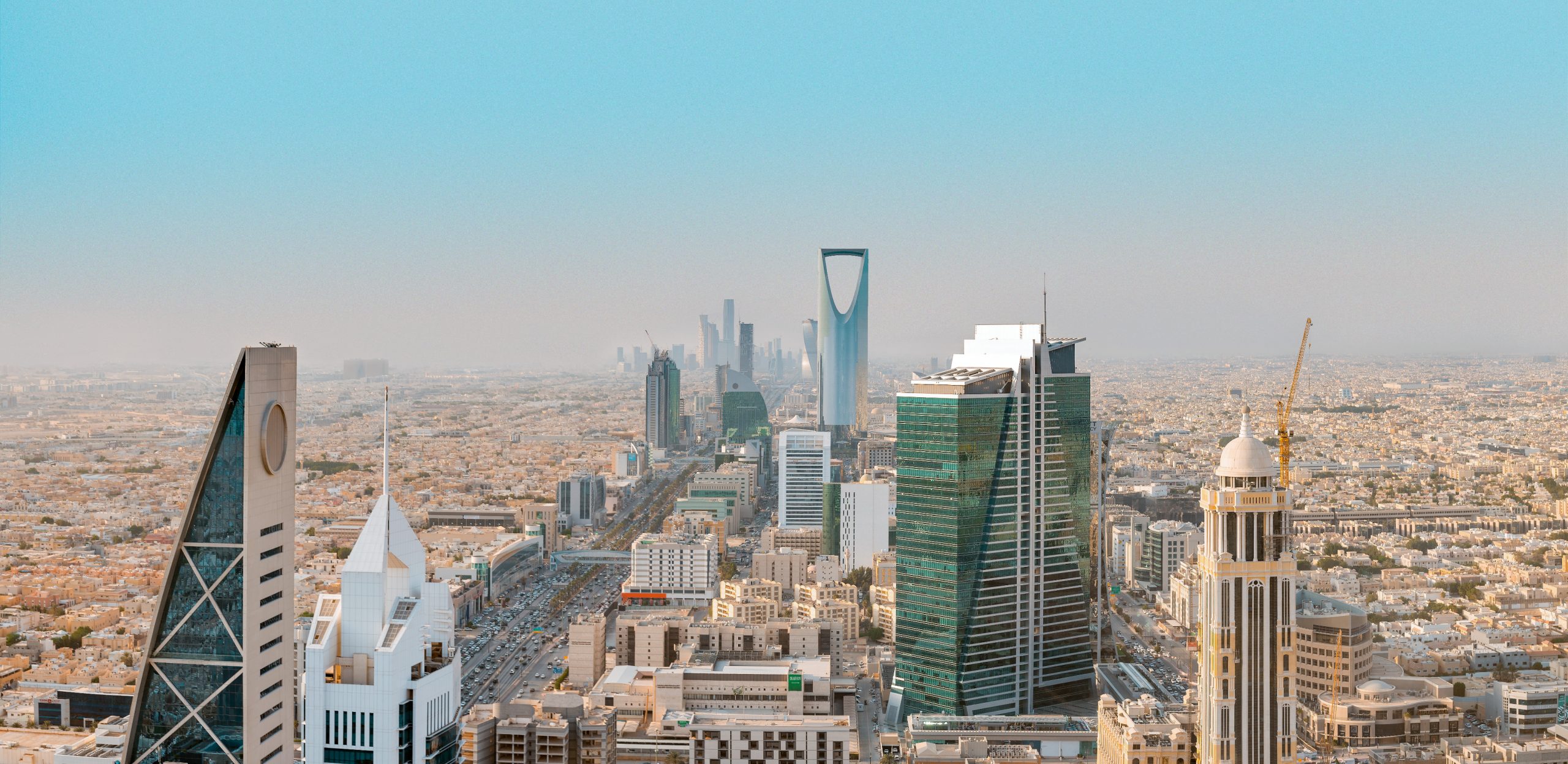
Wednesday, 11 February – Aramco showcased progress in hitting local content targets through its iktva programme, a central plank of Saudi industrial policy and the latest sign of how local value is arriving and getting applied across mega-project supply chains.
Thursday, 12 February – World Defence Show 2026 finished on a high note with record attendance and big deals reported and, echoing Saudi Arabia’s drive to make procurement an industrial base this was of interest to European partners watching in on possibilities
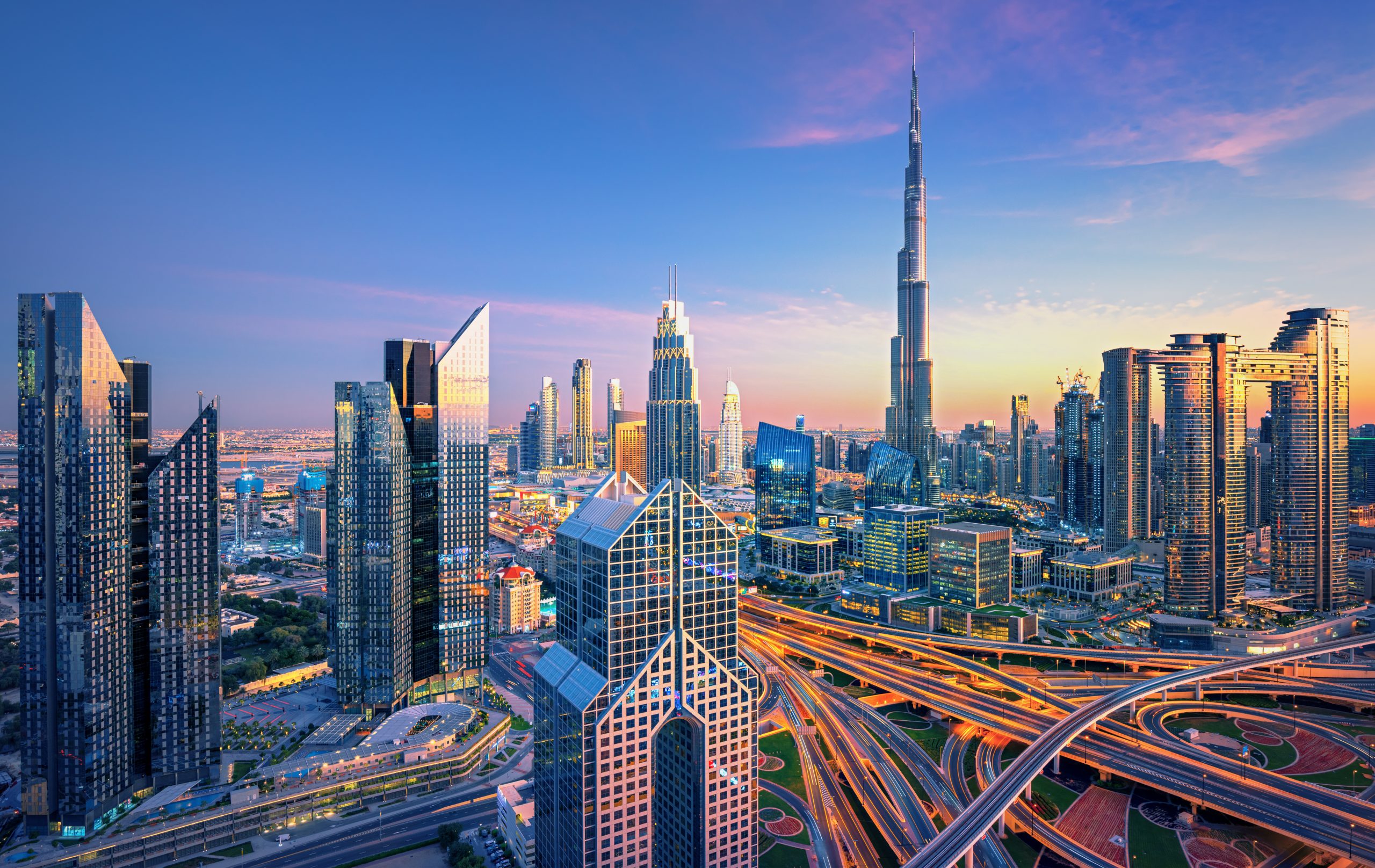
United Arab Emirates

Wednesday, 11 February – The UAE chaired an emergency meeting of Arab League permanent representatives on Israeli settlement expansion decisions, reaffirming Abu Dhabi’s preference for institutional Arab diplomacy that goes hand-in-hand with bilateral crisis engagement.
Thursday, 12 February – Sheikh Hamdan bin Mohammed bin Rashid Al Maktoum presided on the UAE’s first Defence Council meeting of 2026, underlining the government’s focus on readiness and force modernisation as the UAE strengthens security partnerships.
Monday, 16 February – UAE Foreign Minister Lana Nusseibeh met NATO Secretary General Mark Rutte at the Munich Security Conference, talking about UAE-NATO cooperation, a sign of Abu Dhabi’s growing entrenchment as a security partner to Euro-Atlantic institutions.
EU Corner
The EU maintained an alignment of its Gulf engagement vis-à-vis a formalised dialogue style with Bahrain, useful for keeping the working doors open as the larger partnership is moving more towards energy, maritime security and crisis diplomacy.
Engagement in the context of the EU-Qatar inter-parliamentary meeting in Strasbourg underlined the fact that the relationship today is no longer limited to ‘energy and aviation’ but extends into a long-term political cooperation, especially in the areas of regional de-escalation and humanitarian access.
Di Maio’s meeting with the GCC Secretary-General signalled Brussels’ intention to professionalise the EU-GCC track, moving from episodic visits to more routinised strategic coordination, including on security dialogue.
Key Official Visits & Contacts
Wednesday, 11 February (Abu Dhabi) – UAE President Sheikh Mohamed bin Zayed Al Nahyan received Bahrain’s National Security Advisor Shaikh Nasser bin Hamad Al Khalifa.
Thursday, 12 February (Abu Dhabi) – Sheikh Mohamed bin Zayed received Bahrain’s Crown Prince Salman bin Hamad Al Khalifa, whose talks covered a range of bilateral issues and regional issues.
Friday-Sunday, 13-15 February (Munich) – Kuwait’s Prime Minister Mohammed Sabah Al-Salem Al Sabah convened a crowded series of meetings at the edges of the Munich Security Conference, including with Lebanon’s Prime Minister Nawaf Salam and UNHCR leadership.
Sunday, 15 February (Muscat) – Sultan Haitham bin Tariq delivered an audience to Salman bin Hamad Al Khalifa on a brief visit enhancing Bahrain-Oman elite interaction.
Tuesday, 17 February (Doha) – Emir Sheikh Tamim bin Hamad Al Thani met Salman bin Hamad Al Khalifa at the Amiri Diwan, continuing a week of high-level intra-bloc engagement among the GCC.
Saturday, 14 February (Munich): GCC Secretary General Jasem Albudaiwi met EU Special Representative for the Gulf Luigi Di Maio to revisit EU-GCC relations and future engagement planning.