


5 Top Points
- The planned GCC high-speed rail link advanced after Kuwait’s approval of the corridor for the Saudi-Kuwait section.
- Regional security tensions escalated after drone attacks targeting Saudi Arabia and the UAE, including a strike near the Barakah Nuclear Power Plant.
- Italian and Qatari Prime Ministers jointly opened the inaugural Europe–Gulf Forum in Athens.
- The UAE will accelerate construction of a new oil pipeline to double its export capacity via the port of Fujairah by 2027, bypassing the Strait of Hormuz.
- The European Commission presented its Fertilisers Action Plan amid rising fertiliser and gas prices due to the closure of the Strait of Hormuz.
‘Round and About the Gulf’
Kingdom of Bahrain

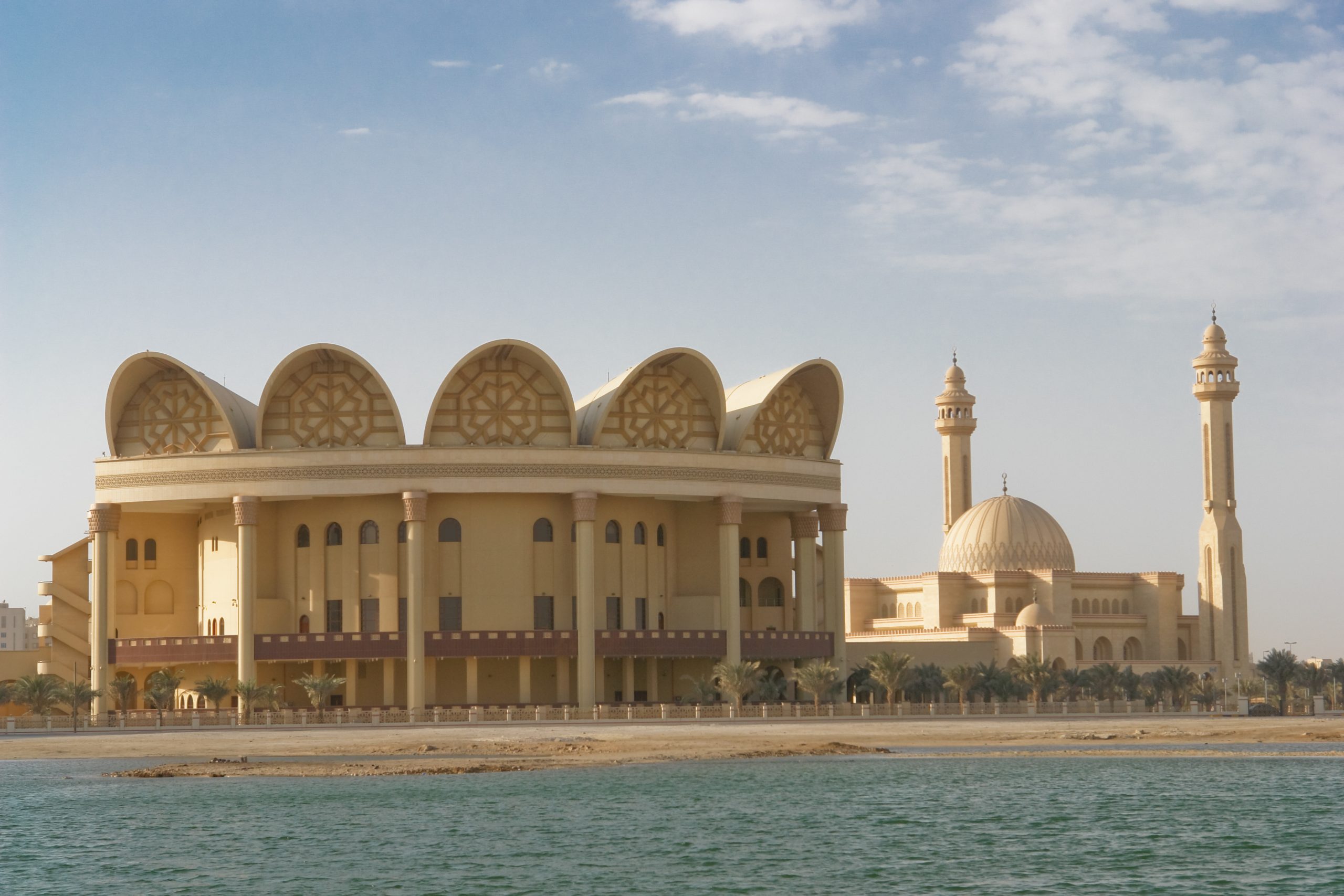
Tuesday, 12 May — German DHL Group, one of the world’s largest logistics companies, signed a 10-year sustainable aviation fuel supply agreement with Bahrain-based SAF One, securing 25,000 metric tonnes of sustainable aviation fuel annually from the company’s planned Bahrain production facility starting in 2028.
State of Kuwait

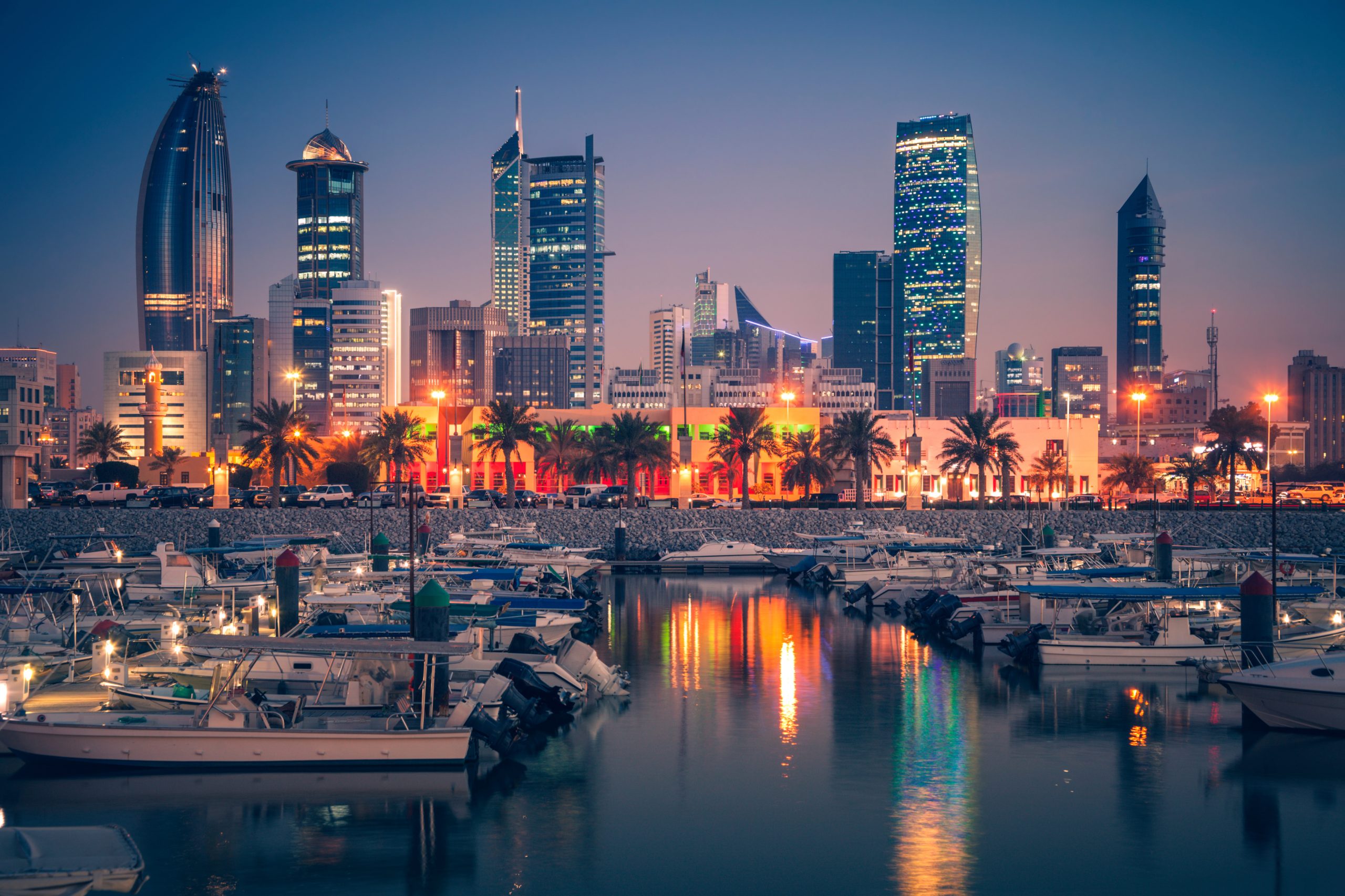
Monday, 18 May — Kuwait’s Municipal Council approved the route corridor for the Kuwaiti section of the high-speed Saudi-Kuwait railway project connecting Kuwait City and Riyadh, marking a major step toward enhancing regional connectivity and economic integration. The 500-km rail line will form part of the broader GCC railway network linking all six GCC members by 2030.
Sultanate of Oman

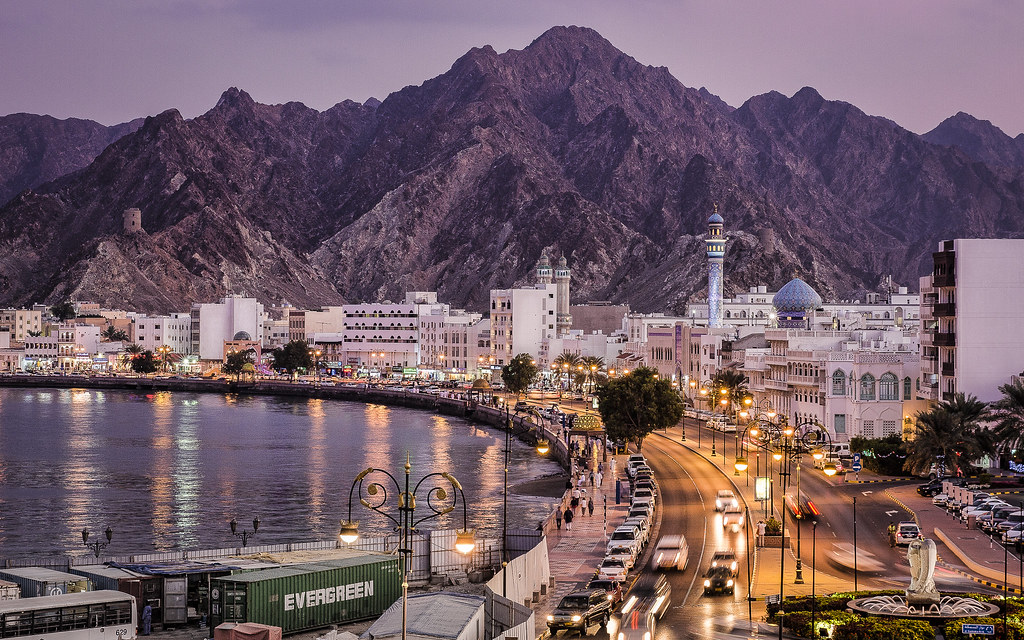
Monday, 18 May — The three-day Oman Sustainability Week 2026, held under the theme ‘Sustainability in Action: Innovation, Investment, Impact,’ brought together policymakers, experts and the private sector to discuss Oman’s long-term sustainability objectives. Minister of Energy and Minerals Salim bin Nasser Al Aufi outlined Oman’s plans to accelerate low-carbon transition and carbon market reforms through the National Net Zero Strategy and the Energy Transition Plan.
State of Qatar

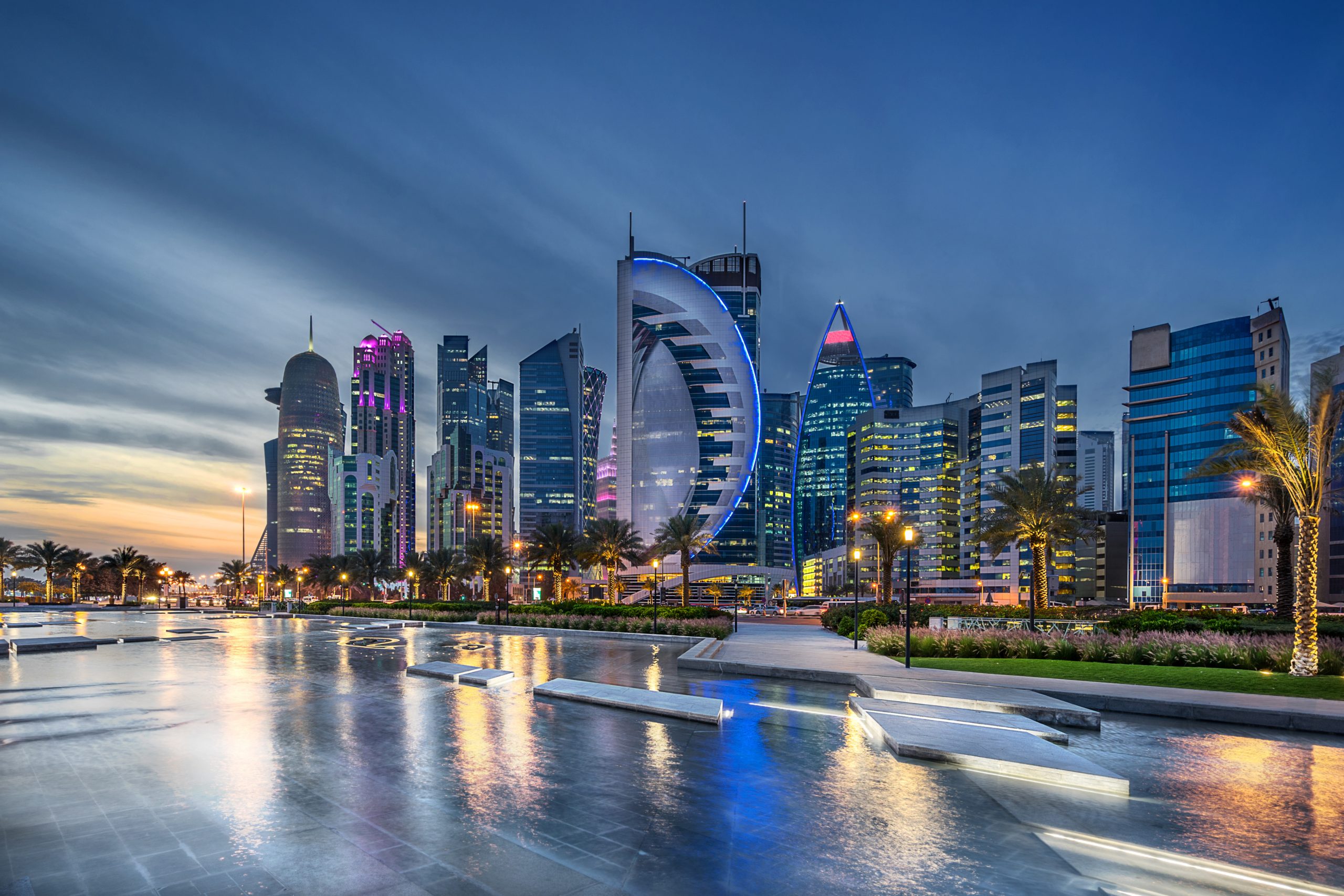
Thursday, 14 May — Qatar joined Bahrain, Jordan, Kuwait, Saudi Arabia and the UAE in submitting two joint letters to the United Nations–the first one urged Iraq to prevent its territory from being used for attacks on the GCC countries launched by Iran-backed militias, while the second one rejected the recent Iranian claims over the Strait of Hormuz, condemning attacks on commercial shipping and calling for international action to safeguard freedom of navigation.
Kingdom of Saudi Arabia

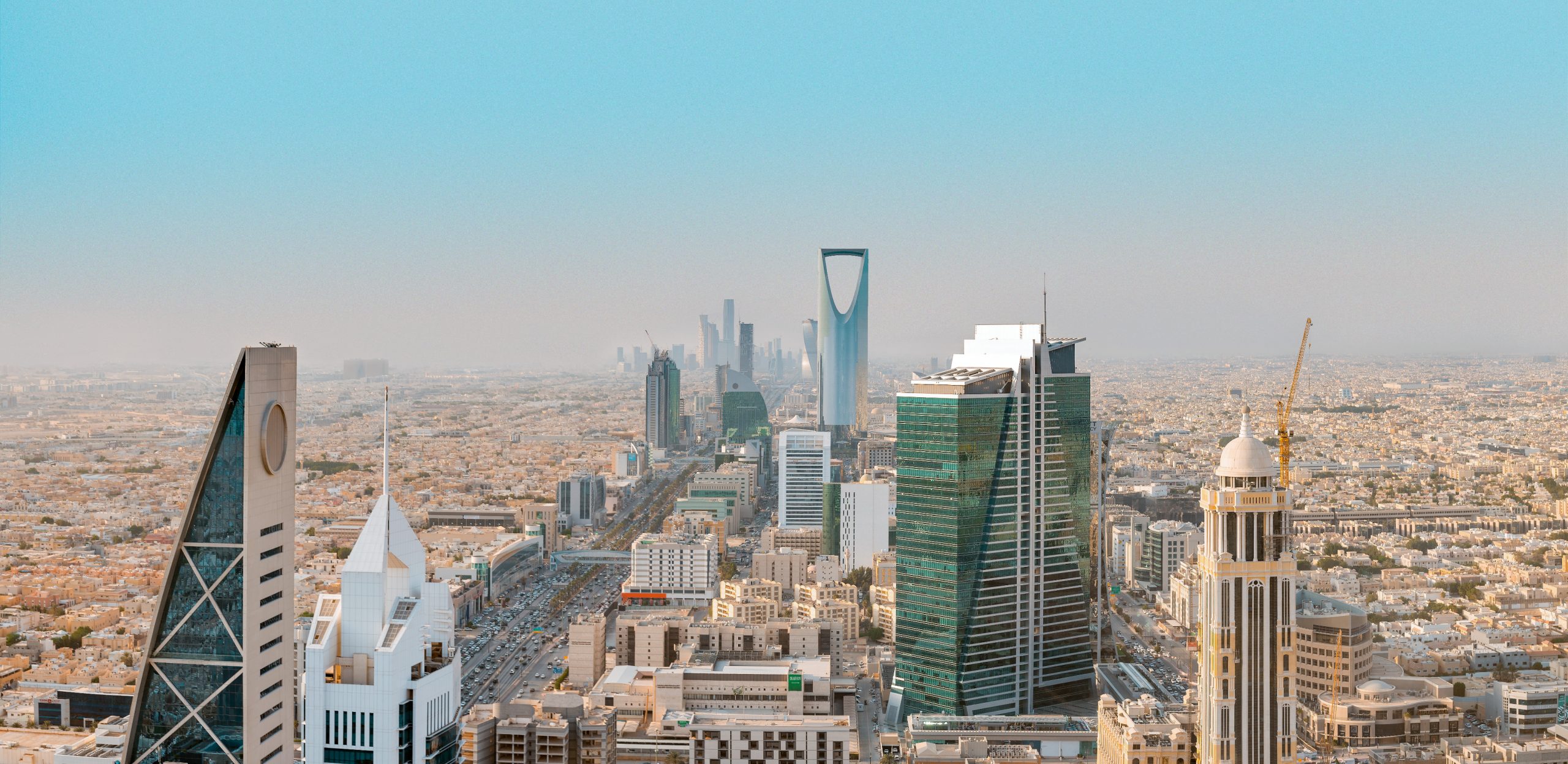
Sunday, 17 May — Saudi Arabia’s Defence Ministry Spokesman Major General Turki Al-Maliki announced that the Kingdom intercepted three drones originating from Iraqi airspace. He underlined that Saudi Arabia would take all the necessary measures to counter any type of aggression against the country and to protect its citizens and residents.
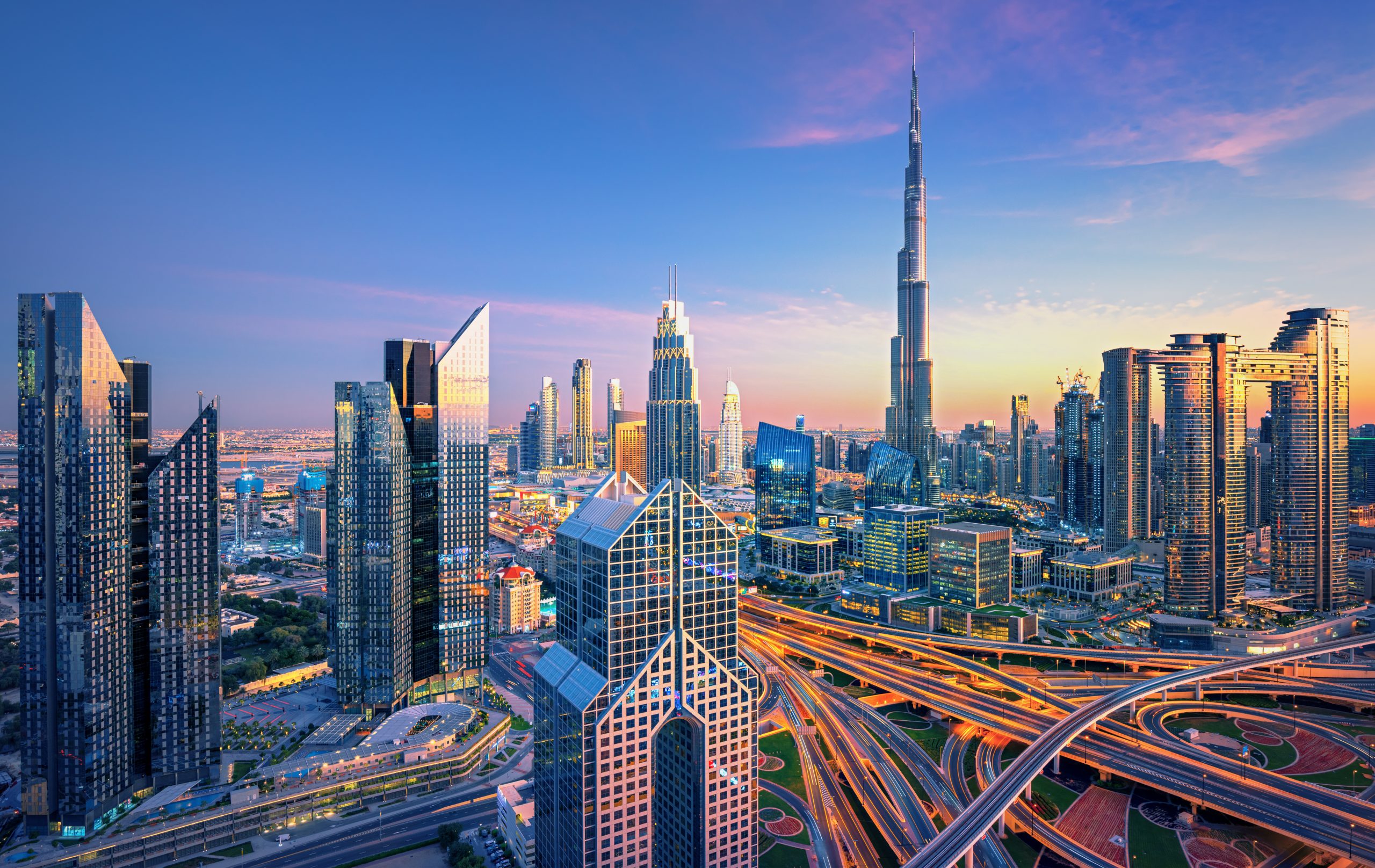
United Arab Emirates

Friday, 15 May — The UAE will accelerate construction of a new oil pipeline to double its export capacity via the port of Fujairah by 2027, expanding its ability to bypass the Strait of Hormuz. Abu Dhabi Crown Prince Khaled bin Mohamed Al Nahyan directed the Abu Dhabi National Oil Company (ADNOC) to fast-track the West-East Pipeline project, which is expected to start operating next year.
Sunday, 17 May — The UAE detected three drones in its airspace coming from the western border, one of which struck an electrical generator outside the inner perimeter of the Barakah Nuclear Power Plant.
EU Corner
Monday, 18 May — At the Foreign Affairs Council on Development in Brussels, EU High Representative Kaja Kallas argued that EU’s development aid and the Global Gateway should become more strategic geopolitical tools aligned with its interests and that the EU should prioritise aligned partners while remaining flexible towards countries supporting Russia or Iran. Development Ministers also discussed the Iran War’s global impact, such as on food security and fertiliser supply.
Tuesday, 19 May — The European Commission presented its Fertilisers Action Plan amid rising fertiliser and gas prices due to the closure of the Strait of Hormuz as 30% of nitrogen and 70% of phosphatic fertilisers used in the EU for agricultural production are imported, while EU fertiliser production relies on natural gas. The Plan addresses ways to reduce the EU’s dependency on imports and increase domestic production, as well as on the use of alternative fertilisers.
Key Official Visits & Contacts
Wednesday, 13 May — Omani Foreign Minister Badr bin Hamad Al Busaidi received in Muscat Canadian Foreign Minister Anita Anand marking the first visit of a Canadian Foreign Minister in over a decade. The Ministers signed a Memorandum of Understanding on political consultations, with the aim of creating a channel for regular bilateral talks. The parties discussed the Iran war and enhancing cooperation in trade, energy, critical minerals, higher education, and tourism.
Thursday, 14 May — Saudi Foreign Minister Faisal bin Farhan Al Saud met in Madrid with his Spanish counterpart José Manuel Albares Bueno to discuss cooperation in defence, trade, investment and culture. The visit culminated with the signing of an agreement on the establishment of the Saudi-Spanish Strategic Partnership Council.
Thursday, 14 May — Saudi Foreign Minister Faisal bin Farhan and Greek Foreign Minister George Gerapetritis co-chaired the second meeting of the Political Committee under the Saudi–Hellenic Strategic Partnership Council. The parties stressed the shared interest in deepening collaboration in several areas, such as investments, energy, trade and connectivity. Additionally, the Ministers discussed the Iran war, with its regional and international implications.
Friday, 15 May — UAE President Mohamed bin Zayed Al Nahyan and Indian Prime Minister Narendra Modi met in Abu Dhabi and witnessed the signing of numerous Memoranda of Understanding to strengthen cooperation in areas such as energy, defence, infrastructure, shipping, and advanced technologies. Additionally, the UAE announced investments worth $5 billion in India to deepen economic cooperation between the two countries.
Friday, 15 May — France reaffirmed its solidarity with Kuwait following recent attacks attributed to Iran, expressing strong support for Kuwait’s sovereignty and security during talks between Foreign Minister Jean-Noël Barrot and his Kuwaiti counterpart Jarrah Jaber Al-Ahmad Al-Sabah in Paris.
Saturday, 16 May — Italian Prime Minister Giorgia Meloni and Qatar’s Prime Minister Mohammed bin Abdulrahman Al Thani opened the inaugural Europe–Gulf Forum held in Greece, a new platform for strategic Euro-Gulf dialogue, launched by the Atlantic Council and Antenna Group. Participants included high level officials from Bahrain, Cyprus, Finland, Greece, Kuwait, Saudi Arabia, UAE, UK, European Union and the International Monetary Fund.
Sunday, 17 May — Kuwait and Bahrain reaffirmed their commitment to strengthening Gulf security cooperation and regional stability during talks between Kuwaiti Crown Prince Sabah Al-Khaled Al-Hamad Al-Sabah and Bahraini Interior Minister Rashid bin Abdullah Al-Khalifa in Kuwait. The visit followed the Extraordinary GCC Interior Ministers’ Meeting that discussed shared security threats and the recent arrests of several Islamic Revolutionary Guard Corps-linked cells.
The Week Ahead
22 May – EU’s Foreign Affairs Council on Trade in Brussels: EU Trade Ministers will discuss economic security, the impact of the conflict in the Middle East on trade and the progress of ongoing trade negotiations, including the free trade agreement with the United Arab Emirates.
24 May – National parliamentary elections in Cyprus, which currently holds the EU Council Presidency until 30 June 2026.