


5 Top Points
- The United Kingdom signed the long-awaited free trade agreement with the GCC.
- Bahrain and the United States rallied major UN support for a resolution condemning Iranian threats to shipping in the Strait of Hormuz.
- ADNOC’s CEO announced that the Hormuz-bypass oil pipeline is halfway complete and warned global crude flows could take months to recover after conflict disruptions.
- Leaders of Bahrain, Qatar, Saudi Arabia and the UAE joined a phone call with the US President and Arab leaders aimed at easing Middle East tensions and boosting regional stability.
- The EU expanded its sanctions regime against Iran to individuals and entities involved in actions threatening freedom of navigation in the Middle East.
‘Round and About the Gulf’
Kingdom of Bahrain

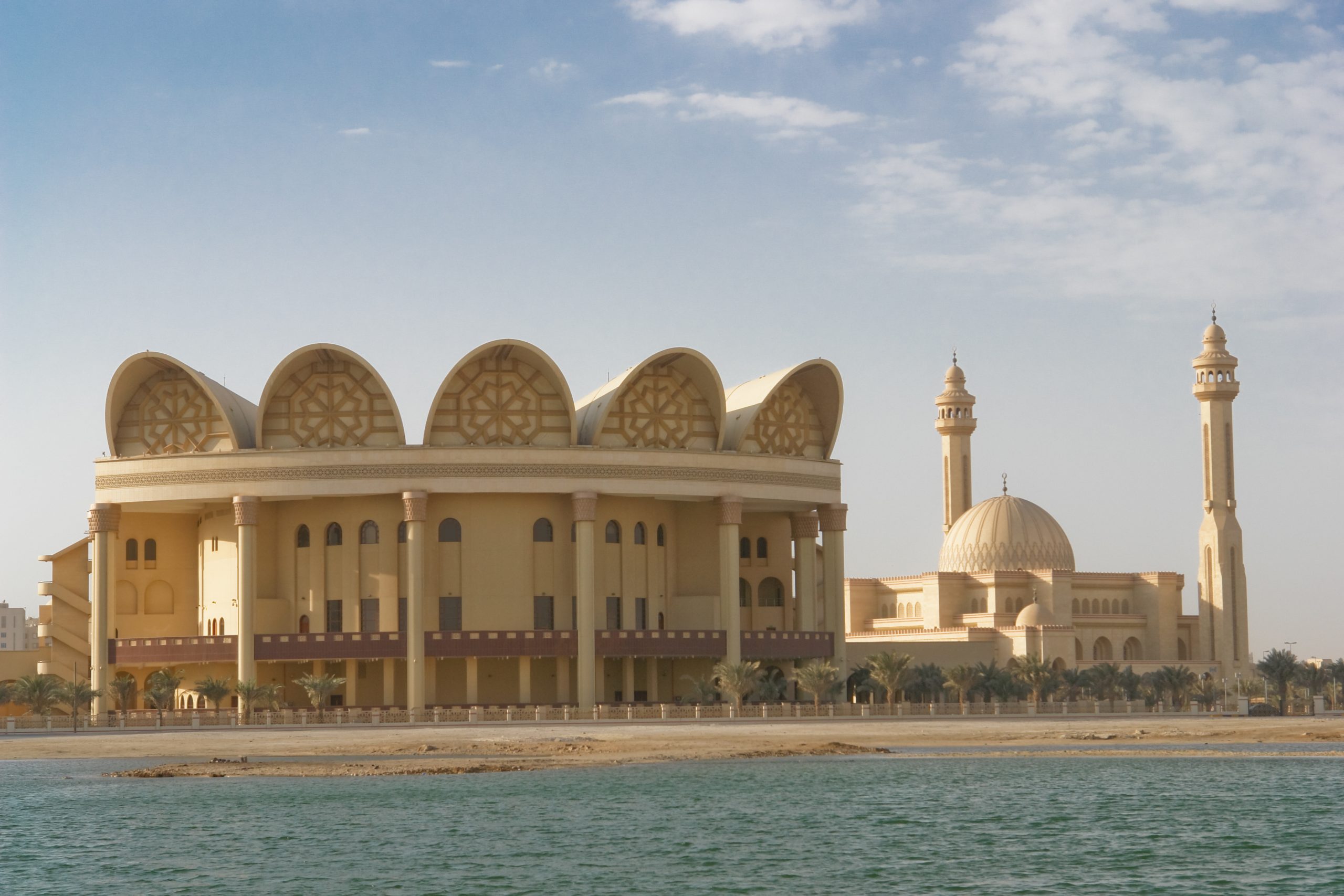
Saturday, 23 May — Bahrain and the United States secured broad international backing for a draft UN Security Council resolution condemning Iranian attacks on shipping in the Strait of Hormuz. Supported by 138 UN member states, the proposal calls for an end to threats against maritime navigation and reaffirms freedom of navigation under international law.
State of Kuwait

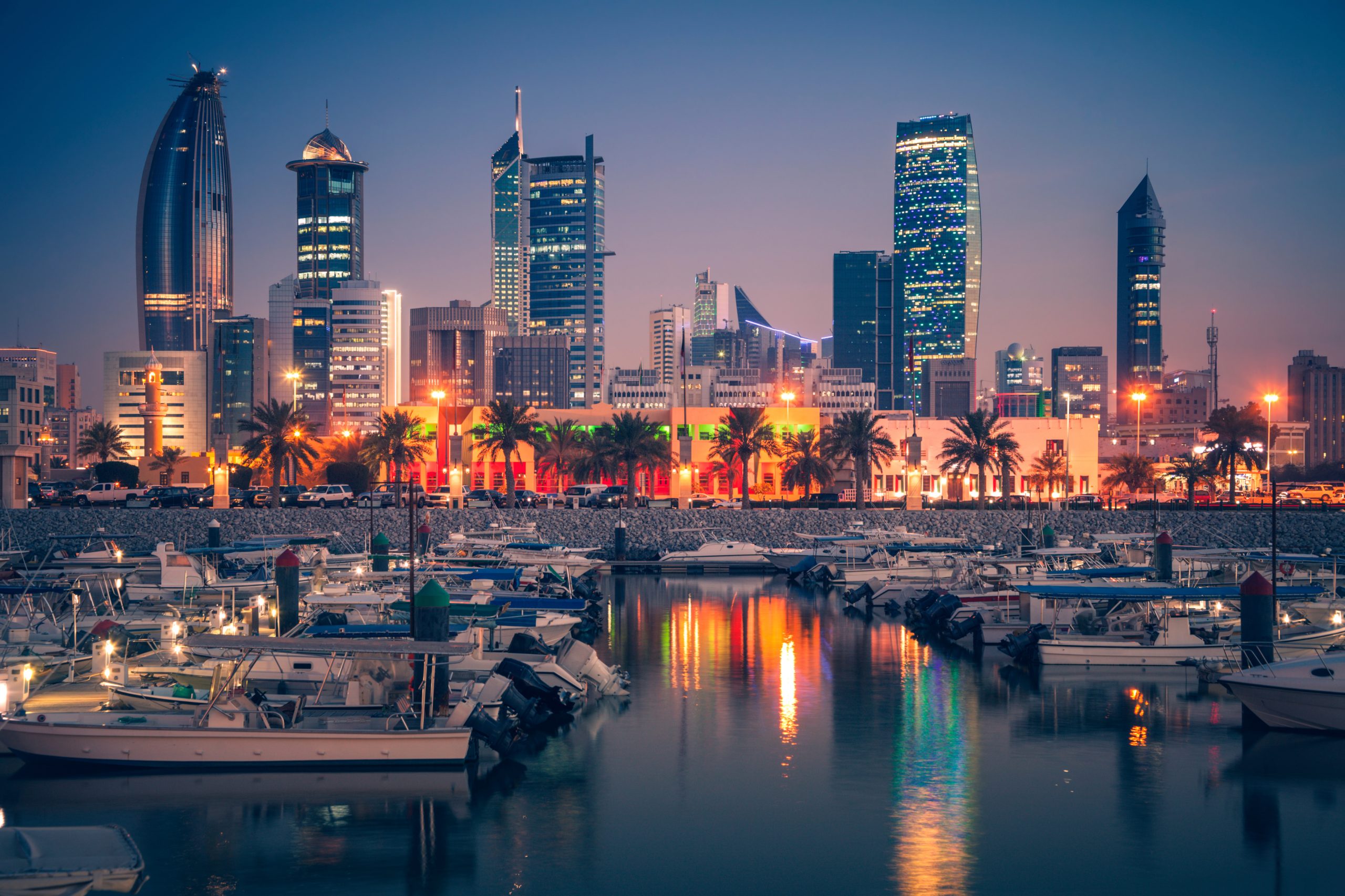
Wednesday, 20 May — Italian defence and aerospace group Leonardo signed a €320 million contract with Abu Dhabi Ship Building (ADSB), part of the UAE’s EDGE Group, to supply next-generation naval combat systems for the Kuwaiti Navy’s Al Dorra missile boat programme. The agreement strengthens defence cooperation between Italy, Kuwait and the UAE and expands Leonardo’s role in Gulf naval modernisation efforts.
Sultanate of Oman

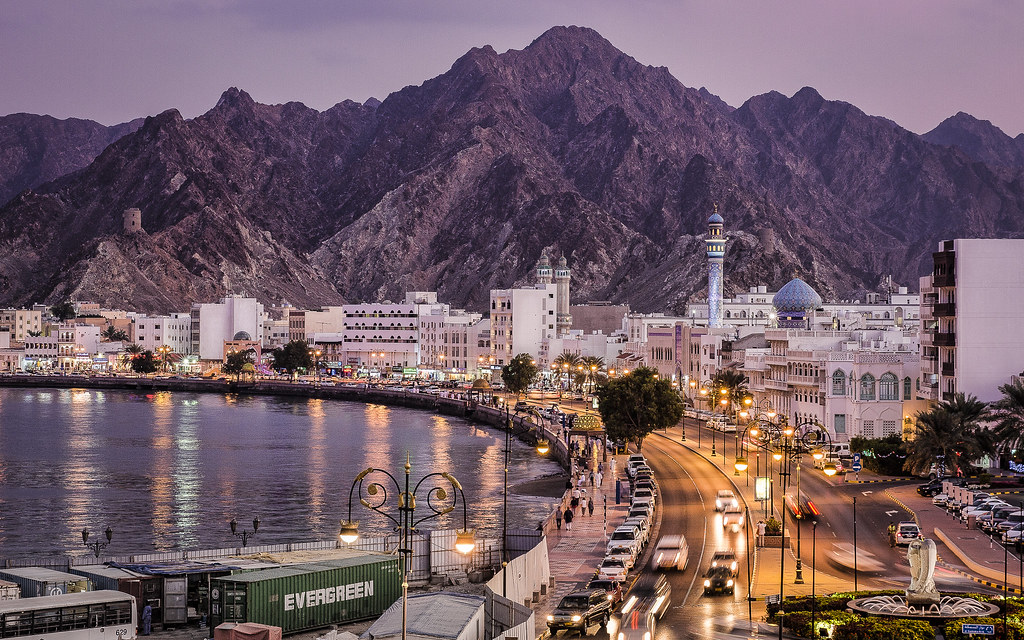
Wednesday, 20 May — An Omani delegation, led by Minister of Energy and Minerals Salim bin Nasser Al Aufi, participated in the World Hydrogen Summit in Rotterdam, aiming to strengthen partnerships in green hydrogen and clean energy, with talks focused on green hydrogen corridors and exports to Europe. Oman held talks with Germany, Japan and the Netherlands on the Liquid Hydrogen Corridor project and signed an agreement to study costs and logistics to transport green hydrogen between Oman and the Netherlands.
State of Qatar

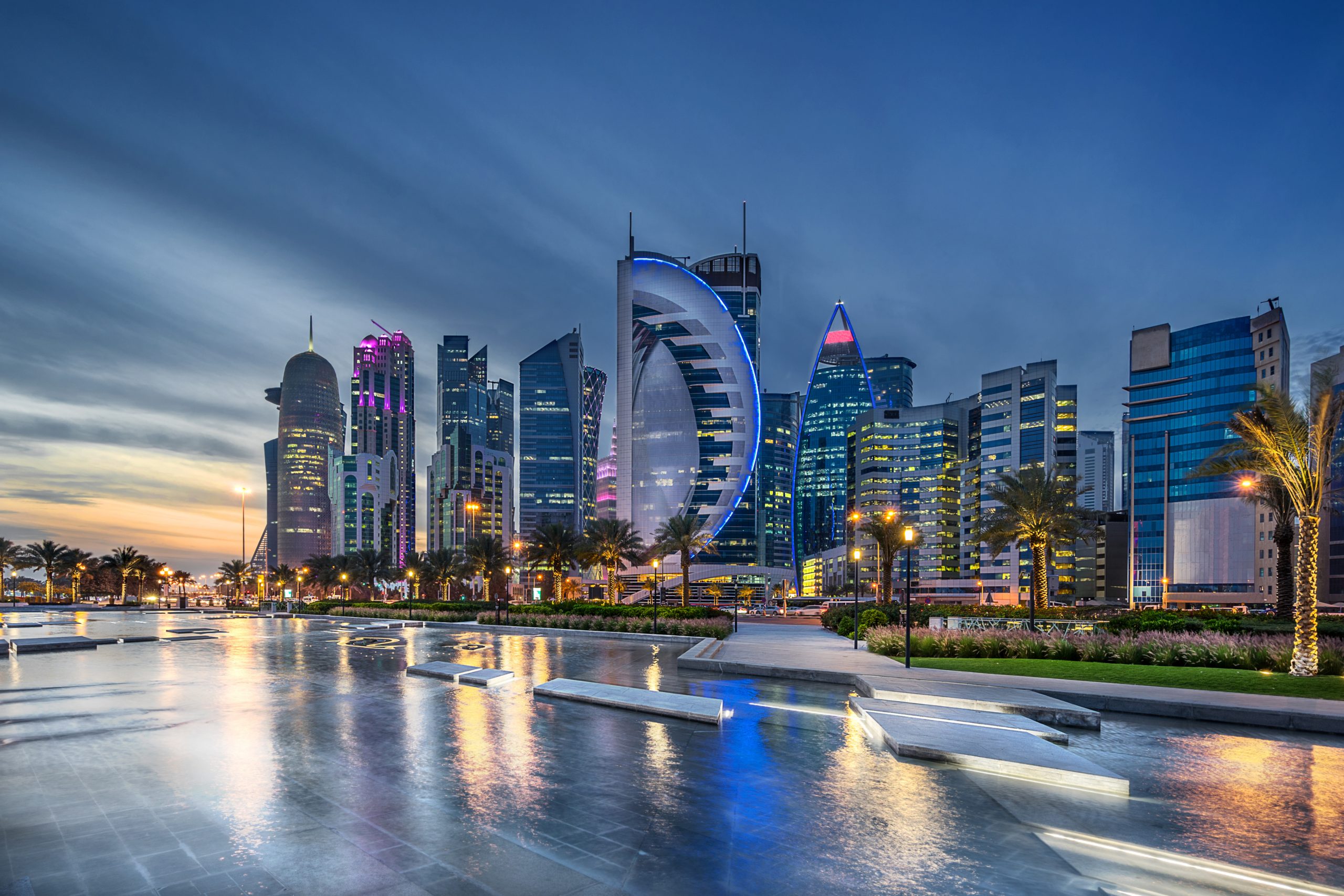
Friday, 22 May — QatarEnergy signed a Memorandum of Understanding with Egypt and ExxonMobil to advance the development and commercialisation of Cypriot gas discoveries through Egypt’s existing LNG infrastructure to strengthen regional energy cooperation in the Eastern Mediterranean.
Kingdom of Saudi Arabia

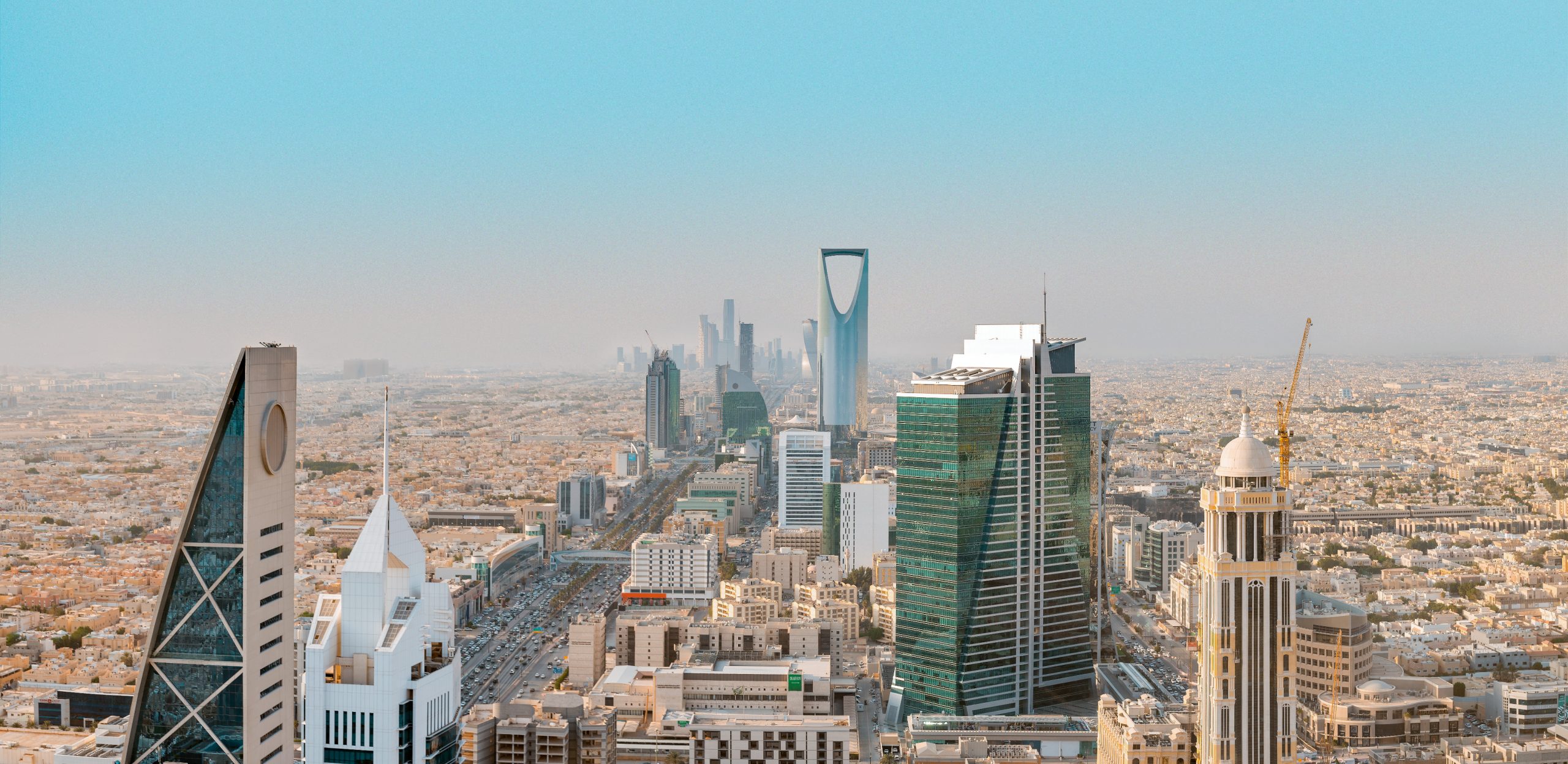
Tuesday, 26 May — Saudi Arabia announced that over 1.5 million foreign pilgrims travelled to the Kingdom to start the annual Hajj pilgrimage, one of the five pillars of Islam. The Saudi authorities have reinforced the security measures amid concerns about the resumption of the Iran War.
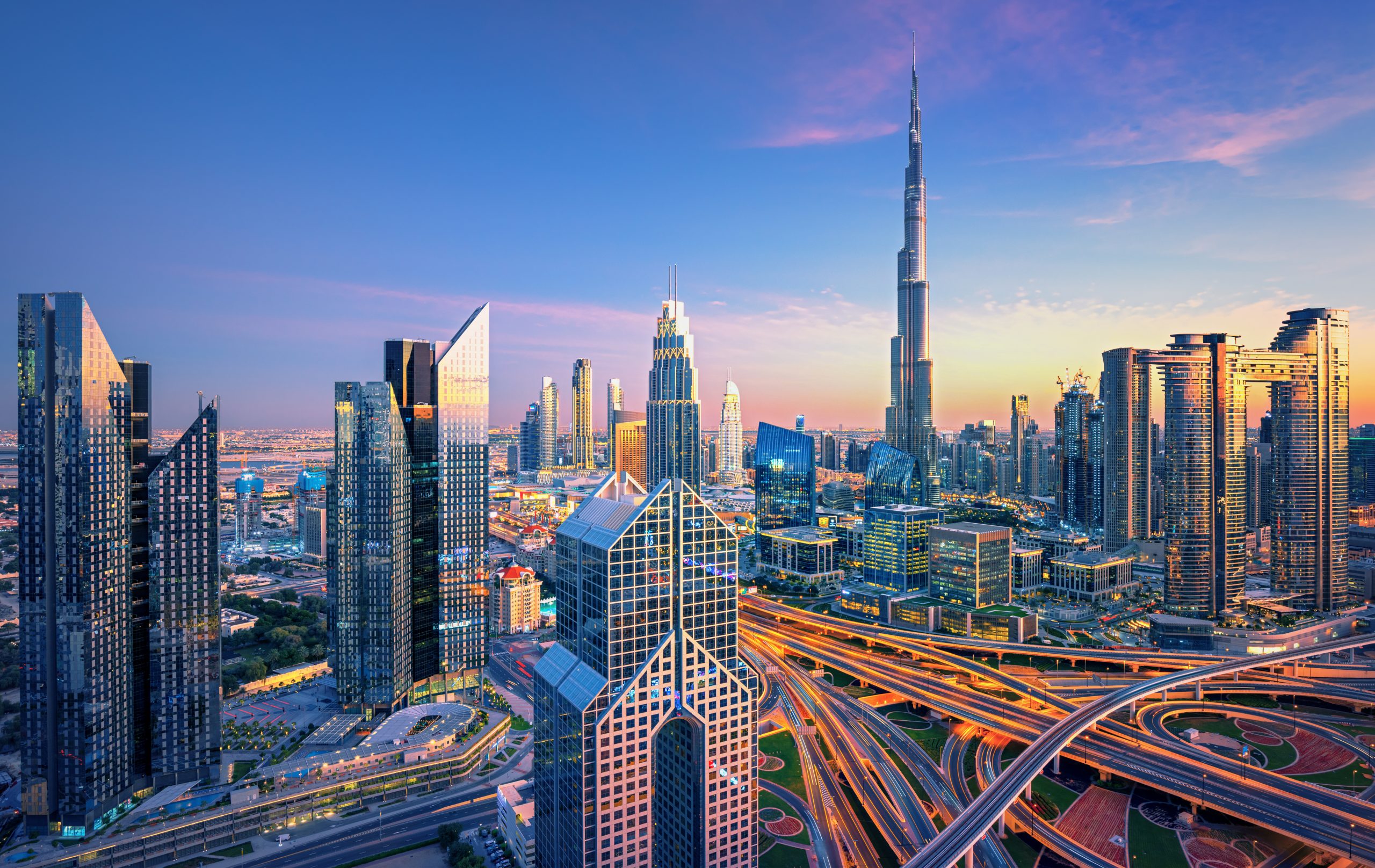
United Arab Emirates

Wednesday, 20 May — Sultan Al Jaber, Minister of Industry and Advanced Technology and CEO of the Abu Dhabi National Oil Company (ADNOC), announced that the new East-West pipeline that will transport crude oil bypassing the Strait of Hormuz is 50% completed and is expected to become operational in early 2027. Additionally, Al Jaber highlighted that the global oil flows will take at least four months to recover to 80% of pre-conflict levels.
Gulf Cooperation Council (GCC)
Tuesday, 21 May — The United Kingdom signed a long-awaited free trade agreement with the GCC. The deal, which is expected to boost the British economy by £3.7 billion annually, aims to reduce tariffs and expand access for goods, services and investment, with UK officials describing it as one of the country’s most significant post-Brexit trade agreements, while GCC negotiators called it a ‘strategic step in a turbulent world’.
EU Corner
Wednesday, 20 May — A UAE Federal National Council delegation, led by Speaker Saqr Ghobash, attended the 10th EU-UAE Interparliamentary Meeting in Strasbourg. During the European Parliament’s Plenary session, President Roberta Metsola expressed solidarity with the UAE in light of the Iranian attacks. She also held a separate meeting with Ghobash to discuss ways to strengthen EU-UAE partnership, deepen parliamentary cooperation and advance free trade.
Wednesday, 20 May — The 27th GCC-EU Political Committee Meeting was held in Brussels, chaired by Director General of Bilateral Relations at Bahrain’s Ministry of Foreign Affairs Abdullah bin Ali Al Khalifa. The meeting discussed the implications of Iran’s attacks on the GCC countries and the closure of the Strait of Hormuz alongside ways to strengthen EU-GCC relations in preparation for the 30th GCC-EU Joint Ministerial Meeting later this year.
Wednesday, 20 May — European Commissioner for Energy and Housing Dan Joergensen held a virtual meeting with Qatar’s Minister of State for Energy Affairs and CEO of QatarEnergy Saad bin Sherida Al Kaabi to discuss energy cooperation in light of the energy crisis stemming from the closure of the Strait of Hormuz.
Thursday, 21 May — The EU expanded its sanctions regime against Iran beyond its military support for Russia and regional armed groups to be able to target individuals and entities involved in Iran’s actions and policies threatening freedom of navigation in the Middle East, particularly in the Strait of Hormuz. Sanctions will include entry bans to the EU and asset freezes.
Thursday, 21 May — The European Parliament adopted a resolution on the ‘repression and execution of protesters, dissidents, political prisoners and religious minorities in Iran,’ calling on the EU to expand sanctions on Iranian officials, ban Islamic Revolutionary Guard Corps (IRGC) members and regime-affiliated family members from entering the EU and close Iranian diplomatic missions associated with the transnational repression.
Key Official Visits & Contacts
Tuesday, 19 May — The UAE and France signed a Defence Cooperation Agreement during the meeting between UAE’s Minister of State for Defence Affairs Mohamed bin Mubarak Al Mazrouei and French Minister of the Armed Forces and Veterans Affairs Catherine Vautrin in Toulouse, which reviewed ways to enhance bilateral defence and strategic relations. Al Mazrouei also met with key defence industry representatives, including Dassault Aviation, MBDA, Safran and Thales.
Thursday, 21 May — During his visit to Italy, UAE’s Minister of State for Defence Affairs Mohamed bin Mubarak Al Mazrouei met with Italy’s Minister of Defence Guido Crosetto to discuss strengthening military and defence cooperation and witnessed the signing of a Strategic Defence Partnership. He also held talks with officials from leading Italian defence companies, such as Elettronica Group, Fincantieri and Leonardo.
Thursday, 21 May — UAE Foreign Minister Abdullah bin Zayed Al Nahyan, Qatari Minister of Foreign Affairs Mohammed bin Abdulaziz Al Khulaifi and GCC Secretary General Jasem Mohamed Albudaiwi participated in the GLOBSEC Forum in Prague. The GCC Secretary General highlighted the growing interconnectedness between European and Middle Eastern security and stressed the importance of the upcoming EU-GCC Summit. The UAE Minister also expressed keenness to boost cooperation with the Czech Republic in talks with Prime Minister Andrej Babiš.
Thursday, 21 May — In Germany, UAE Foreign Minister Abdullah bin Zayed Al Nahyan held talks with Chancellor Friedrich Merz, Minister of Finance Lars Klingbeil, Foreign Minister Johann Wadephul, Interior Minister Alexander Dobrindt, and Bundestag President Julia Klöckner, to discuss enhancing cooperation, regional developments and repercussions of the Iranian attacks, and the need for international cooperation to ensure freedom of navigation in the Strait of Hormuz.
Saturday, 23 May — The UAE and Luxembourg signed a cooperation agreement on mutual legal assistance in criminal matters during a meeting between Foreign Minister Abdullah bin Zayed Al Nahyan and his counterpart Xavier Bettel. The UAE Foreign Minister also met with Grand Duke Guillaume of Luxembourg and Prime Minister Luc Frieden to discuss the latest regional developments and the Iranian attacks on the UAE.
Saturday, 23 May — Qatar’s Prime Minister and Foreign Minister Mohammed bin Abdulrahman Al Thani held separate calls with senior officials from Jordan, Saudi Arabia and Türkiye to discuss regional developments and ongoing efforts to support de-escalation and stability across the Middle East.
Saturday, 23 May — The leaders of Bahrain, Egypt, Jordan, Qatar, Saudi Arabia, Türkiye, the UAE and Pakistan’s Chief of Defence Forces participated in a joint phone call with US President Donald Trump to discuss the efforts to de-escalate tensions in the Middle East and the ongoing negotiations regarding the US-Iran peace agreement.
Monday, 25 May — During a phone call with Russian President Vladimir Putin, Bahrain’s King Hamad bin Isa Al Khalifa discussed ways to end the conflict with Iran and regional developments, including the impact of ongoing tensions on maritime navigation, energy security and global economic stability.
The Week Ahead
27 May — The European Commission and partner organisations will convene the 5th annual Climate-Neutral and Smart Cities Conference in Turin, bringing together around 500 mayors, investors, policymakers and EU officials to accelerate Europe’s urban climate transition.
27-28 May — Cyprus will host an informal Foreign Affairs Council of EU Ministers of Foreign Affairs in the Gymnich format, held every six months. It will be co-chaired by Cypriot Foreign Minister Constantinos Combos and EU High Representative for Foreign Affairs and Security Policy Kaja Kallas.
30 May — National parliamentary elections in Malta.