



5 Top Points
- The first Qatari LNG tanker sailed through the Strait of Hormuz since the outbreak of the Iran war.
- Saudi Aramco warned that gasoline and jet fuel stocks could reach ‘critically low levels’ this summer if the Strait of Hormuz remains closed.
- The UAE intercepted five Iranian drones and two ballistic missiles, bringing the total to 2,265 drones, 551 ballistic missiles and 29 cruise missiles since 28 February.
- Bahrain arrested 41 members of an IRGC-linked network involved in terrorist activities, while Kuwait detained four IRGC-affiliated individuals who attempted to enter the country by sea.
- EU Foreign Ministers agreed to deepen cooperation with the GCC, including on security and defence, strengthen Operation Aspides and expand Iran sanctions to target obstruction of freedom of navigation.
‘Round and About the Gulf’
Kingdom of Bahrain

Saturday, 9 May — Bahrain said it arrested 41 individuals accused of links to the Islamic Revolutionary Guard Corps (IRGC), involvement in espionage activities and supporting the Iranian attacks against Bahrain. According to the Interior Ministry, the suspects were part of a wider network that infiltrated religious, educational and social institutions to foster IRGC loyalty and that collaborated with foreign entities and terrorist groups in Iraq and Lebanon.
Thursday, 7 May — The United States and Bahrain circulated a draft of a UN Security Council resolution that would address Iran’s actions in the Strait of Hormuz, including its attacks on commercial shipping, the laying of naval mines and ‘illegal tolling’. The proposal calls on Iran to cease interfering with freedom of navigation and collaborate with international demining initiatives. The draft is backed by Kuwait, Qatar, Saudi Arabia and the UAE.
State of Kuwait

Friday, 9 May — Kuwaiti air defence systems intercepted multiple unmanned aerial vehicles (UAVs) in its airspace. There were no casualties or damage reported. The Ministry of Defence stated that the armed forces remain on high alert to protect the country’s sovereignty and territorial integrity amid ongoing regional instability.
Tuesday, 12 May — Kuwait arrested four individuals affiliated with Iran’s IRGC, who had attempted to illegally enter the country by sea via Bubiyan Island. According to the Interior Ministry, the suspects confessed to having been tasked with carrying out hostile operations on Kuwaiti soil using a specially chartered fishing boat.
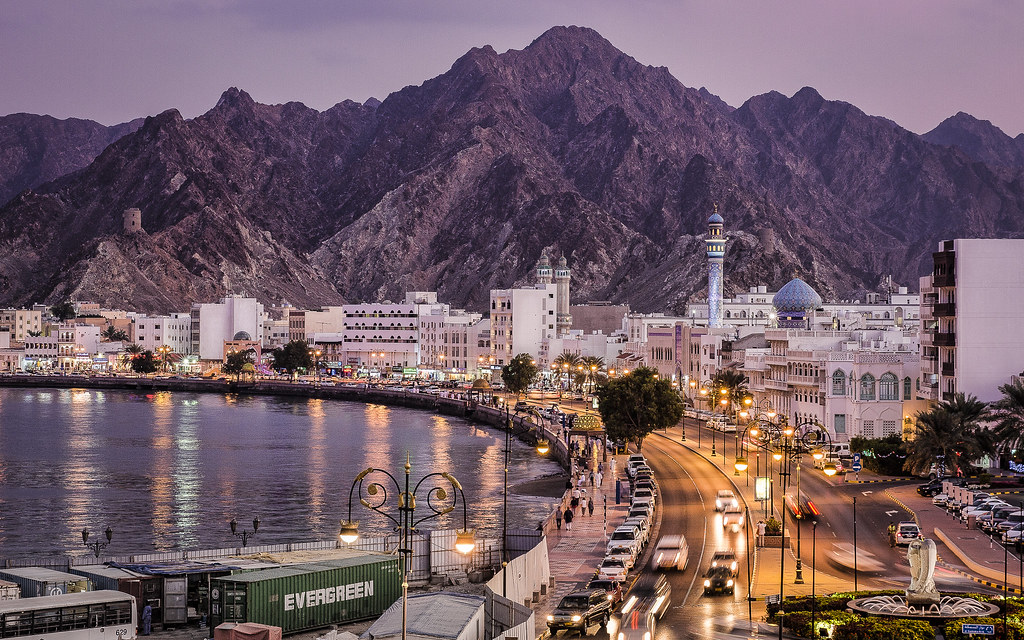
Sultanate of Oman

Wednesday, 12 May — Sultan Haitham bin Tarik visited the Petroleum Development Oman (PDO) to review strategic energy projects and development within the energy sector. On the occasion, the Sultan inaugurated the new Integrated Operations Centre, named Bait Al Haitham, which will now serve as the principal command and control hub for Oman’s energy sector.

State of Qatar

Sunday, 10 May — The first Qatari tanker carrying liquified natural gas (LNG) sailed through the Strait of Hormuz since the outbreak of the Iran war, heading towards Pakistan. The transit came amid heightened tensions in the Gulf and followed the earlier decision by the state-owned QatarEnergy to extend force majeure on LNG supply contracts through mid-June, affecting several deliveries to European partners.
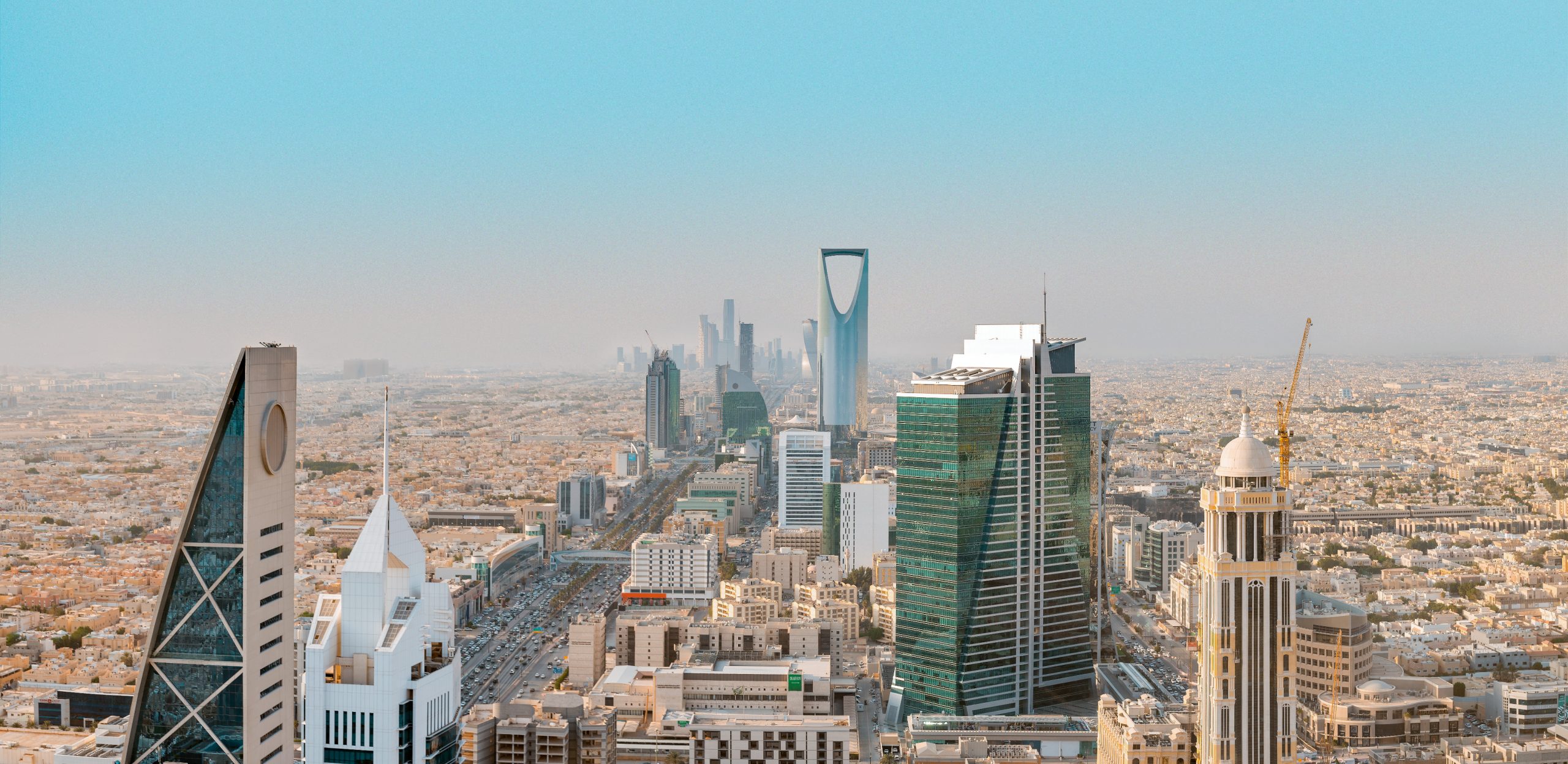
Kingdom of Saudi Arabia

Monday, 11 May — Saudi Aramco recorded a 25% profit increase in the first quarter of 2026, with the East-West Pipeline running at full capacity to mitigate the Strait of Hormuz closure. CEO Amin Nasser warned that gasoline and jet fuel stocks could reach ‘critically low levels’ this summer if the Strait remains closed, as the world has lost 1 billion barrels of oil supplies since the conflict began. Nasser highlighted that onshore inventories – the only available buffer – are rapidly depleting.
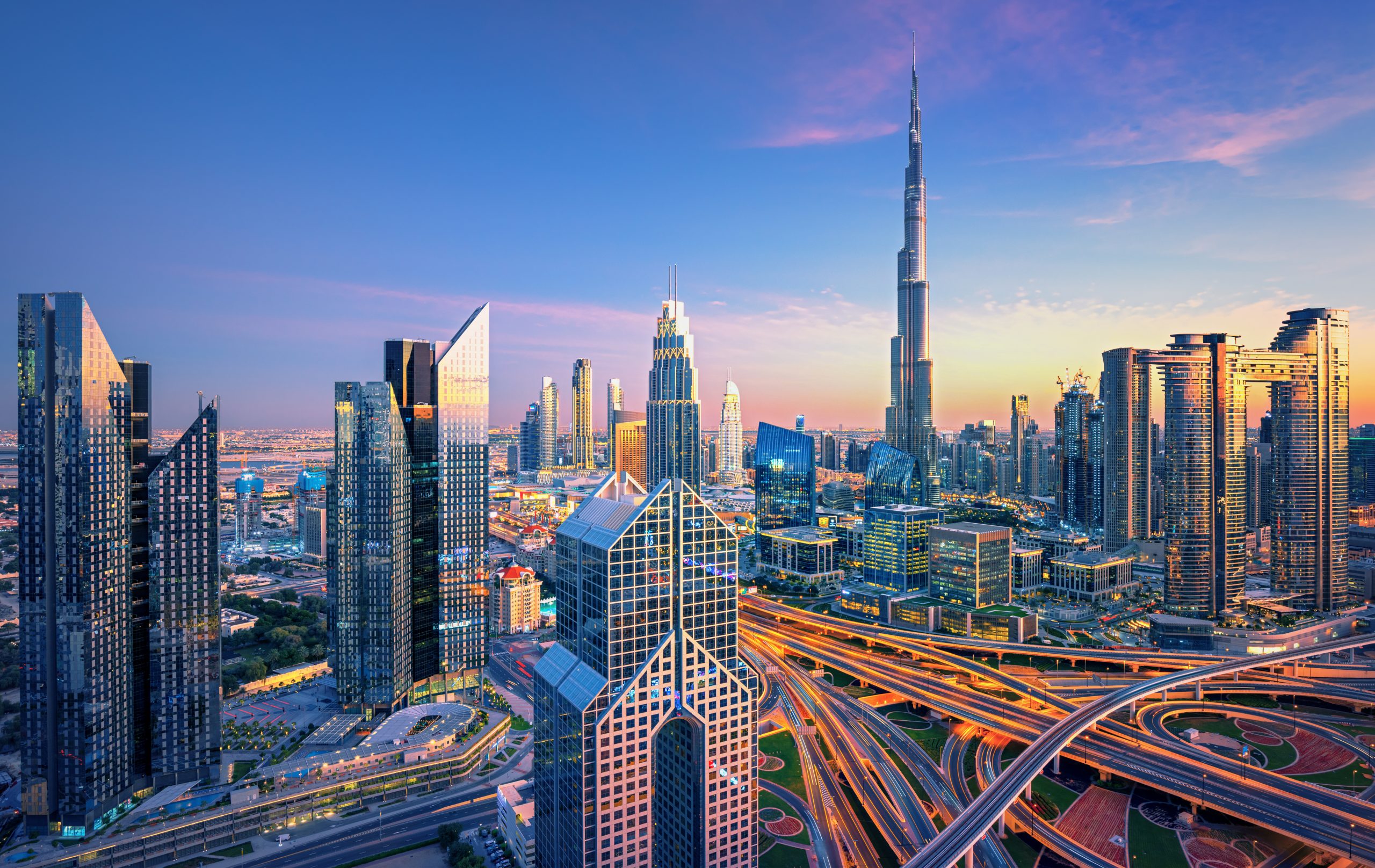
United Arab Emirates

Friday, 8 May & Sunday, 10 May — The UAE continued to face a renewed wave of Iranian attacks. On 8 May, the Ministry of Defence announced that Emirati air defences engaged three drones and two ballistic missiles, with another two drones intercepted two days later. Since 28 February, the UAE has intercepted a total of 2,265 drones, 551 ballistic missiles and 29 cruise missiles from Iran.
EU Corner
Monday, 11 May — At the monthly EU Foreign Affairs Council in Brussels, the EU Foreign Ministers stressed the need to strengthen cooperation with Gulf partners, including accelerating the bilateral Strategic Partnership Agreements with the six GCC countries and strengthening security and defence cooperation. The EU also plans to expand Iran sanctions to include the obstruction of the Strait of Hormuz and strengthen its naval Operation Aspides.
Tuesday, 12 May — At the EU Defence Ministers meeting in Brussels, several EU countries vowed to contribute additional vessels to Operation Aspides and discussed adapting its operational plan to support the Franco-British-led coalition of the willing in the Strait of Hormuz. The EU is also considering expanding the Operation’s mandate to cover de-mining activities.
Key Official Visits & Contacts
Tuesday, 5 May — The UAE and Greece signed a Memorandum of Understanding for cooperation on artificial intelligence and technology during the Greek Prime Minister Kyriakos Mitsotakis’ visit to Abu Dhabi following Iran’s attacks. The conversation with UAE President Mohamed bin Zayed Al Nahyan focused on collaboration in artificial intelligence, renewable energy, technology, and infrastructure.
Wednesday, 6 May — Saudi Foreign Minister Faisal bin Farhan met with Turkish President Recep Tayyip Erdogan and co-chaired the 3rd Saudi-Turkish Coordination Council meeting together with his Turkish counterpart Hakan Fidan in Ankara. On the occasion, the two sides vowed to strengthen relations and signed a visa exemption agreement for holders of diplomatic and special passports.
Thursday, 7 May — Kuwait’s Ministry of Defence and Turkey’s Defence Industry Agency signed a letter of intent to strengthen defence and military cooperation, notably in defence industry, logistics, technical coordination and expertise exchange. During his visit to Türkiye, Kuwait’s Defence Minister Abdullah Al-Salem Al-Sabah’s also held talks with his Turkish counterpart Yaşar Güler and attended the opening of the 5th SAHA Expo 2026 defence exhibition in Istanbul.
Thursday, 7 May — UAE President Mohamed bin Zayed Al Nahyan and Cyprus President Nikos Christodoulides discussed their Comprehensive Strategic Partnership, focusing on trade, investment, education, culture and tourism. The meeting also covered Cyprus’ presidency of the Council of the European Union and EU-UAE relations. The two leaders also reviewed the situation regarding Iran, with President Christodoulides condemning the recent attacks on the Emirates.
Thursday, 7 May — Egypt’s President Abdel Fattah El Sisi visited the UAE and Oman. In Abu Dhabi, he met President Mohamed bin Zayed to discuss regional security, condemn the Iranian attacks, and inspect the Egyptian fighter jet detachment deployed to the Emirates. In Muscat, El Sisi met with Sultan Haitham bin Tarik to discuss the political, economic and security impact of the current regional crisis and the diplomatic efforts to resolve it.
Friday, 8 May — UAE President Mohamed bin Zayed received the visiting Austrian Chancellor Christian Stocker. They discussed ways to strengthen bilateral cooperation under the 2021 Comprehensive Strategic Partnership, notably in economy, technology, renewable energy, and reviewed the impact of the Iran war and the closure of the Strait of Hormuz on maritime and energy security and global economy.
Monday, 11 May — Saudi Foreign Minister Faisal bin Farhan held separate phone calls with his Pakistani and Iranian counterparts, Ishaq Dar and Abbas Araghchi, to discuss the Pakistani mediation efforts between Iran and the United States and the Iranian response to the latest US peace proposal. Both the US and Iran rejected their latest offers, with the US President Trump stating that the ceasefire is ‘on life support’.
Tuesday, 12 May — Saudi Foreign Minister Faisal bin Farhan arrived in the United Kingdom for a meeting with UK Secretary of State for Foreign, Commonwealth and Development Affairs Yvette Cooper. It came a day after the UK sanctioned Iran-linked individuals and organisations, such as the criminal Zindashti Network, threatening UK security and stability in the Middle East.
Tuesday, 12 May — Qatar’s Prime Minister and Foreign Minister Mohammed bin Abdulrahman Al Thani held a joint press conference with Turkish Foreign Minister Hakan Fidan following their meeting in Doha, which centred on the Iran war, its economic impact on the Gulf countries, and the recent escalation in Gaza. They backed the Pakistani mediation efforts between the US and Iran, warning against any resumption of war and calling for diplomacy.