


5 Top Points
- The ceasefire holds, just, but not enough to restore normal Strait of Hormuz transit and shipping: commerce: only three ships had passed through the Strait of Hormuz in the previous 24 hours versus roughly 130-140 daily in normal conditions (21 April).
- The GCC’s economic fortunes diverged in the context of the Iran war: Oman’s oil revenues rose 26%, Saudi Arabia’s rose 4.3%, while Kuwait’s fell 73% and the UAE’s slipped 2.6%, largely because Saudi Arabia and Oman had relatively stronger route alternatives to the Strait of Hormuz than Kuwait.
- Qatar links Gulf energy diplomacy to market stability: Emir Tamim bin Hamad Al Thani met Shell CEO Wael Sawan, underlining Qatar’s effort to pair high-level diplomacy with strategic energy-sector coordination.
- The UAE projects financial and commercial confidence despite the war: Dubai’s main share index rose 0.8% and Abu Dhabi’s 0.4% on renewed hopes that US-Iran talks might still proceed, while DIEZ reported 19.4% revenue growth and 17.8% net profit growth in 2025.
- EU’s position hardens as further sanctions against Iran materialise: the EEAS was preparing to widen its Iran sanctions criteria to include those responsible for blocking the Strait of Hormuz.
‘Round and About the Gulf’
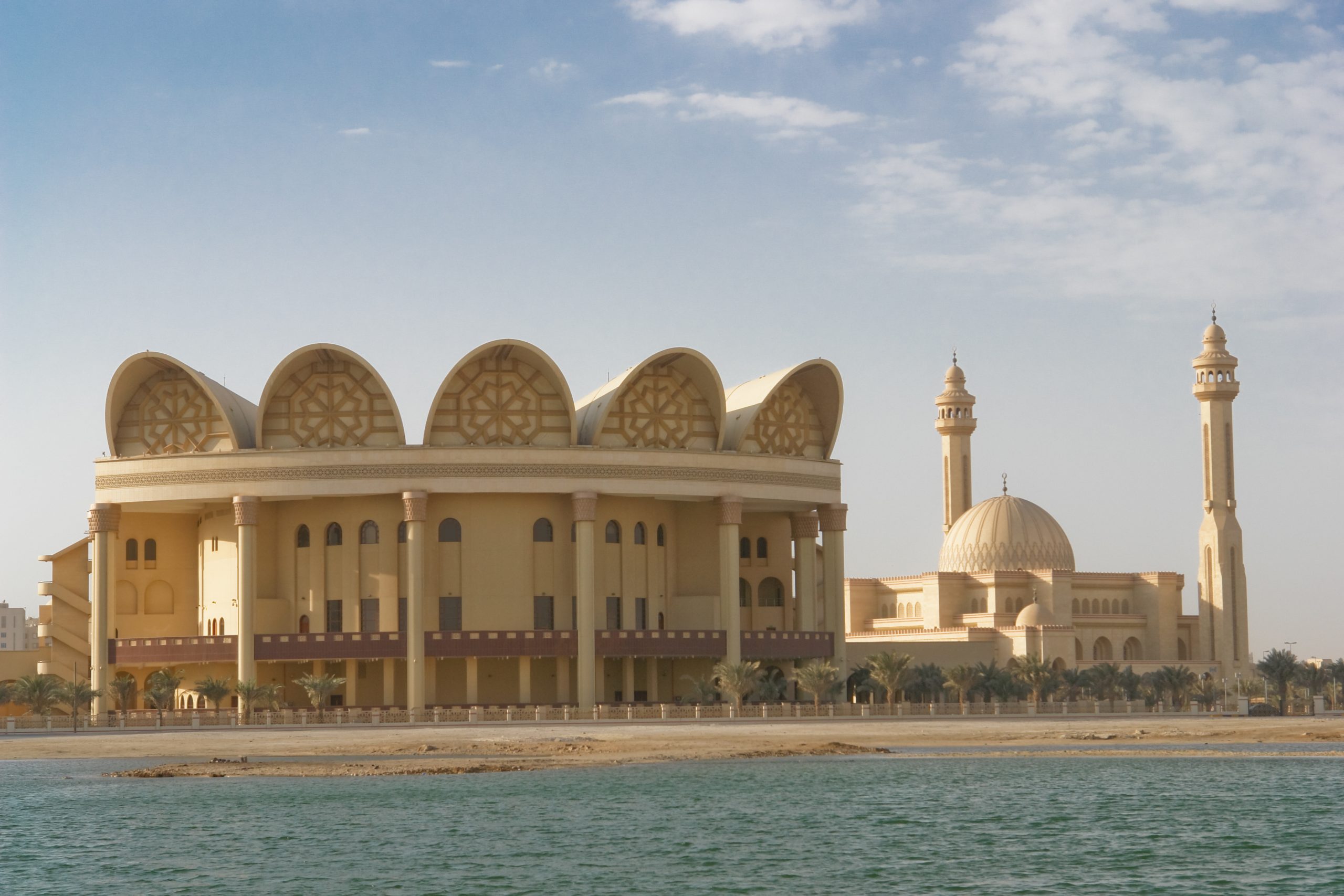
Kingdom of Bahrain

Bahrain continued to use its April presidency of the UN Security Council to keep the Hormuz crisis and Iranian attacks at the centre of global diplomacy, building on the line set out in the previous Monitor.
Bahrain remained under direct military and strategic pressure, with Iranian claims about targeting infrastructure on the country still feeding security concerns and underscoring Bahrain’s dual role as both diplomatic advocate and exposed frontline state.
STC Pay Bahrain joined the Bahrain Association of Banks (BAB), giving the fintech wallet a formal seat in banking-sector dialogue on policy, innovation, governance and compliance. The move in part projects financial-sector normality and regulatory depth despite the Iran War
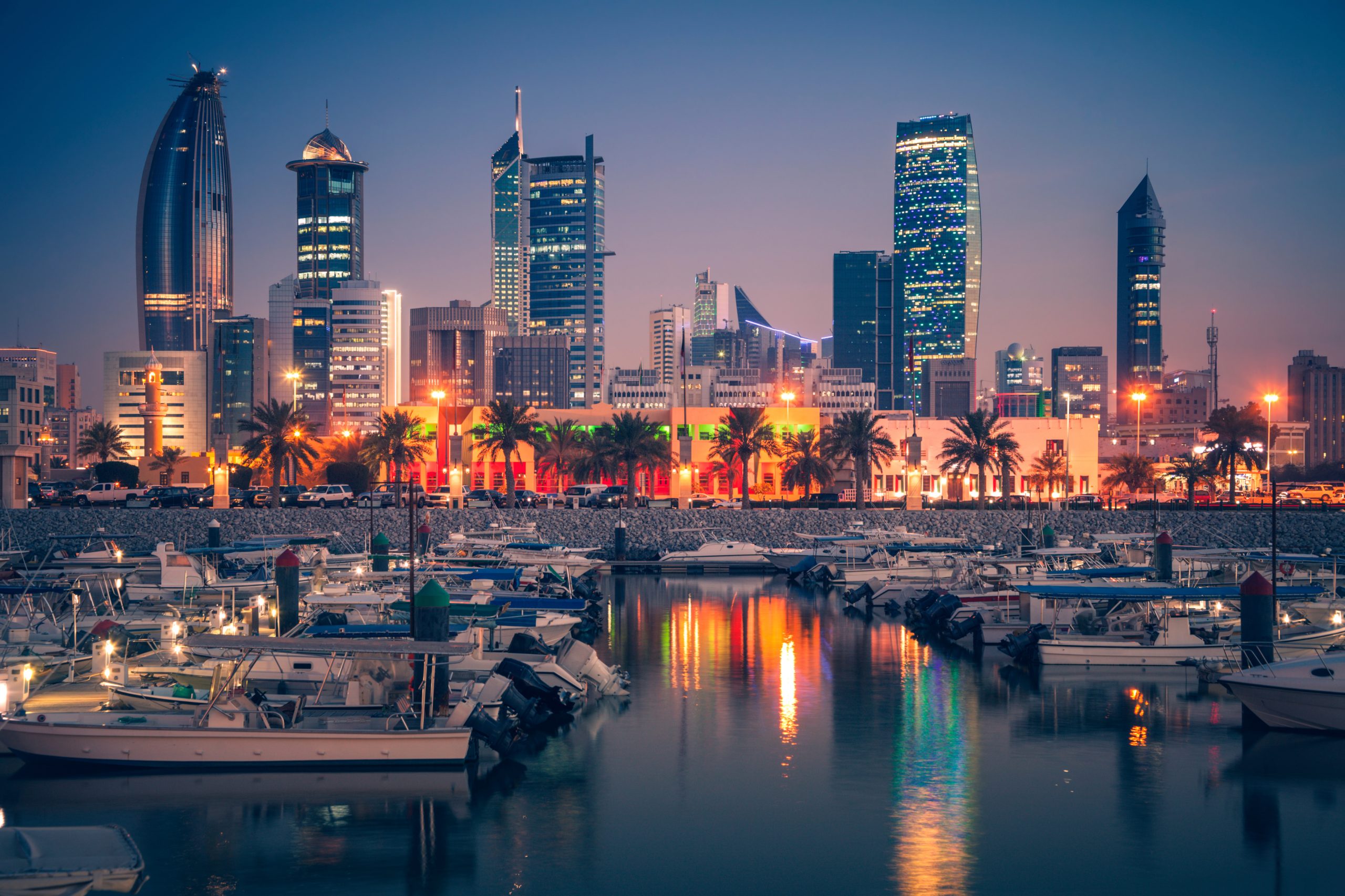
State of Kuwait

Kuwait remained one of the Gulf country’s most exposed to the war’s commercial fallout with the country declaring force majeure on crude and refined-product shipments after the Hormuz blockade prevented vessels from entering the Gulf and disrupted contractual deliveries.
Jazeera Airways announced it is resuming flights to Beirut via Dammam, while also increasing services to Amman. The airline said it had already operated around 1,200 flights through Saudi airports, carried 132,000 passengers, and moved 300 tonnes of food supplies, underlining how Kuwait is still working around disruption rather than returning to normal air operation.
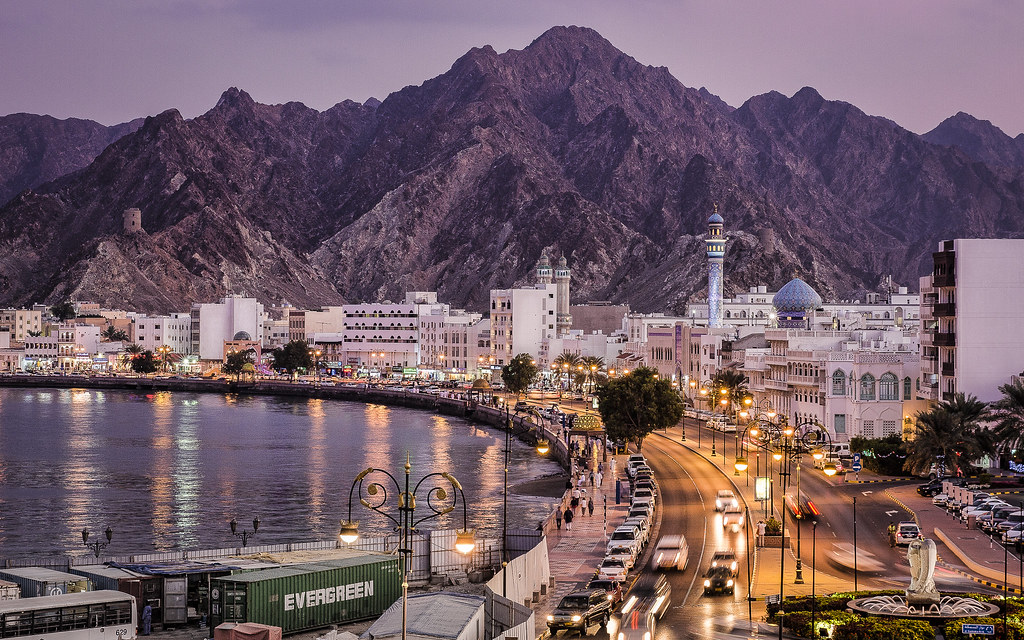
Sultanate of Oman

Oman continues to benefit economically (comparatively) from the Iran war disrupted oil geography, with its oil revenues rose 26% year-on-year, making it one of the few Gulf country clearly gaining fiscally in this regard from the crisis.
Foreign Ministry said that a group of Omani citizens returned home safely from Iran, as Muscat continued implementing evacuation and repatriation arrangements linked to the war.
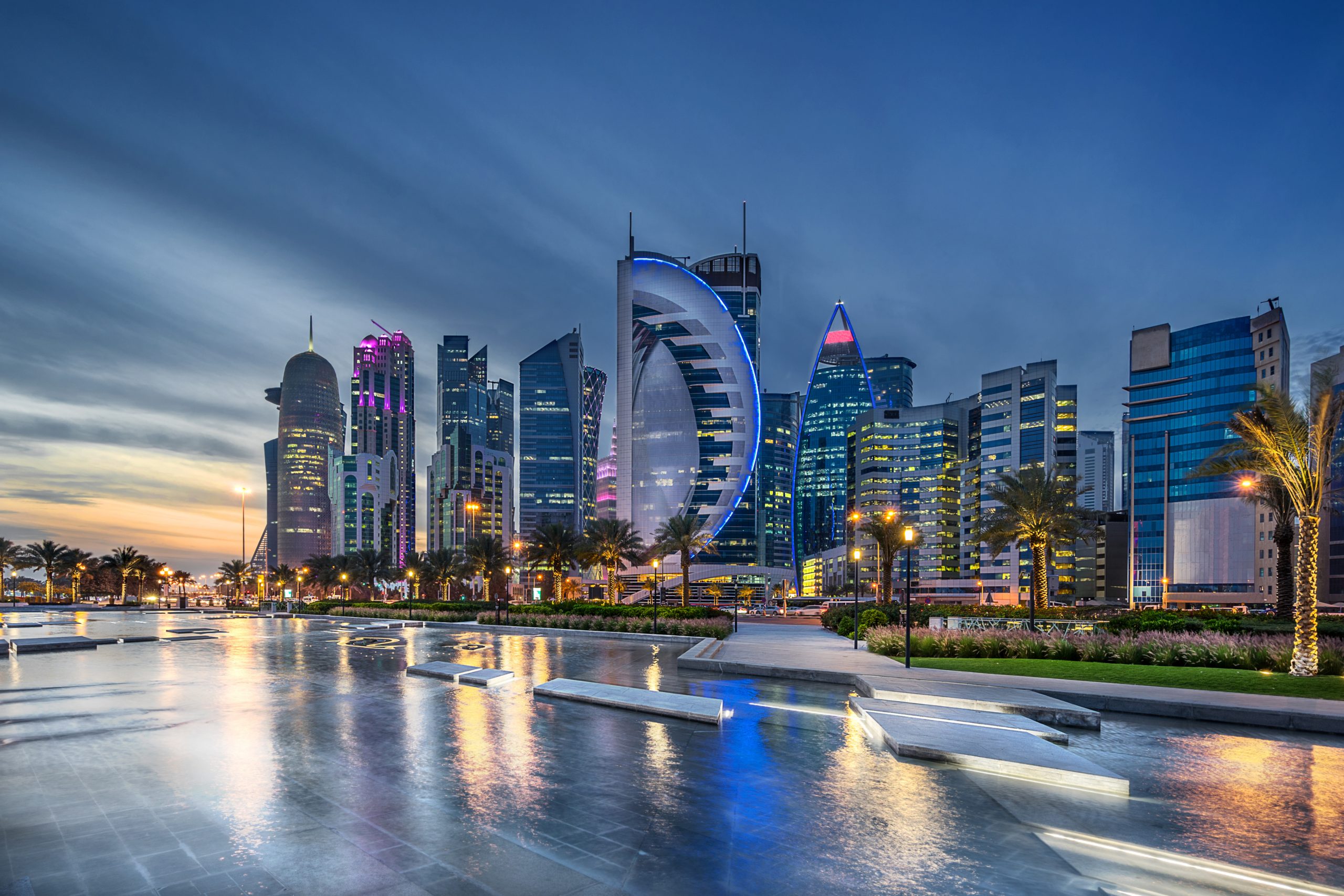
State of Qatar

Qatar kept broadening its international political profile, including participation in the Global Coalition for the Implementation of the Two-State Solution in Brussels. The move helps shift the public narrative from LNG losses alone towards resilience in food security, logistics and domestic management.
Qatar’s Internal Security Force (Lekhwiya) enrolled the first batch of volunteers in a specialised training programme for search and rescue and disaster management.
The GCC Secretary-General Jasem Mohamed Albudaiwi publicly praised Qatar’s role in securing unanimous approval of an emergency resolution at the 152nd General Assembly of the Inter-Parliamentary Union (IPU) in Istanbul, focused on preserving ceasefires and supporting peace-building in the Middle East and other regions.
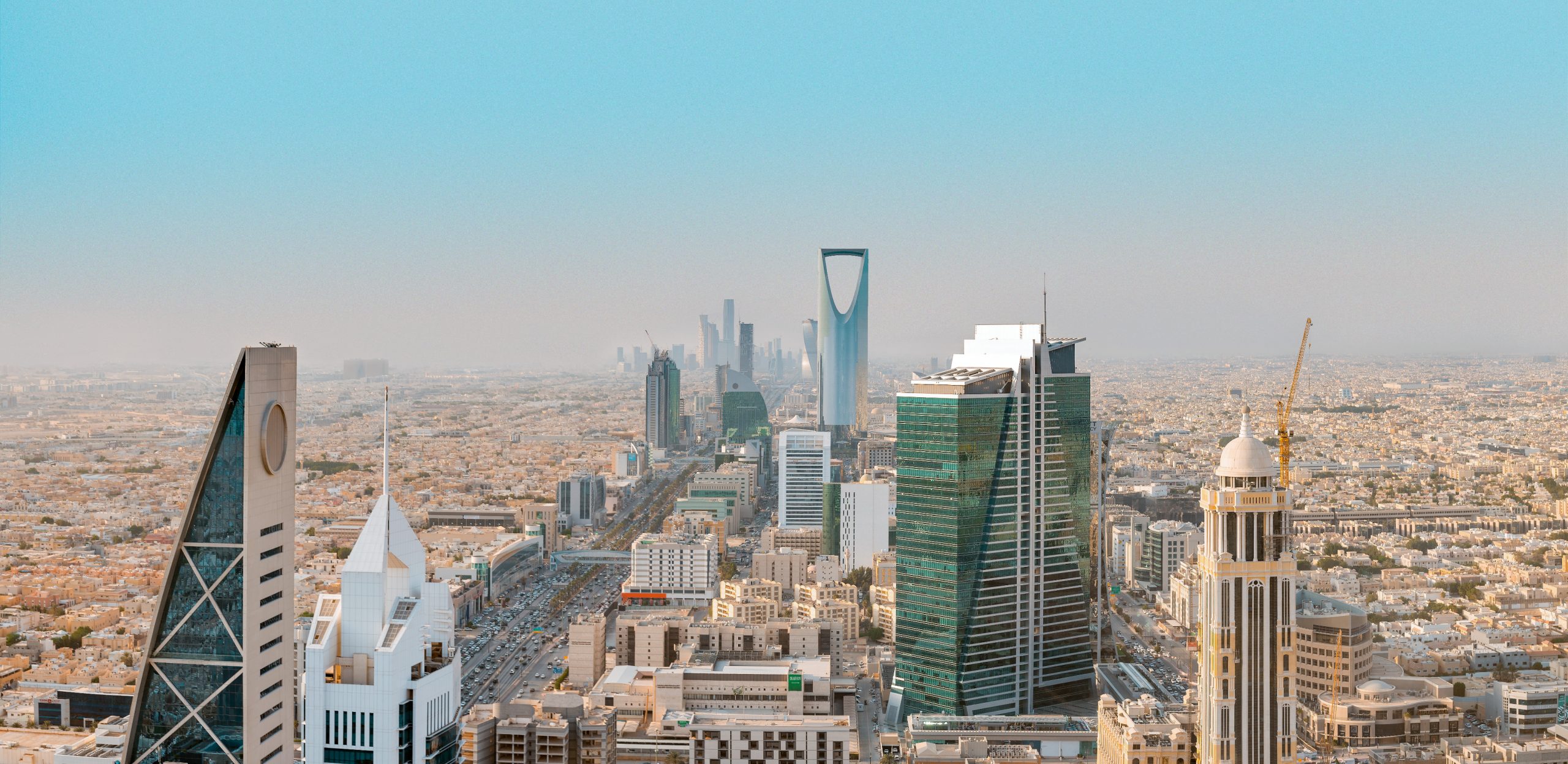
Kingdom of Saudi Arabia

Saudi Arabia remained one of the Gulf countries best positioned to cushion part of the war shock thanks to the East-West Pipeline to Yanbu, which can carry up to seven million barrels per day.
Riyadh used Hannover Messe 2026 to showcase the country’s industrial transformation drive. Saudi official reporting said the Kingdom’s pavilion is presenting investment opportunities, advanced manufacturing ambitions and non-oil industrial depth, a useful reminder that Saudi Arabia is still trying to project industrial resilience and Vision 2030 momentum even under war conditions.
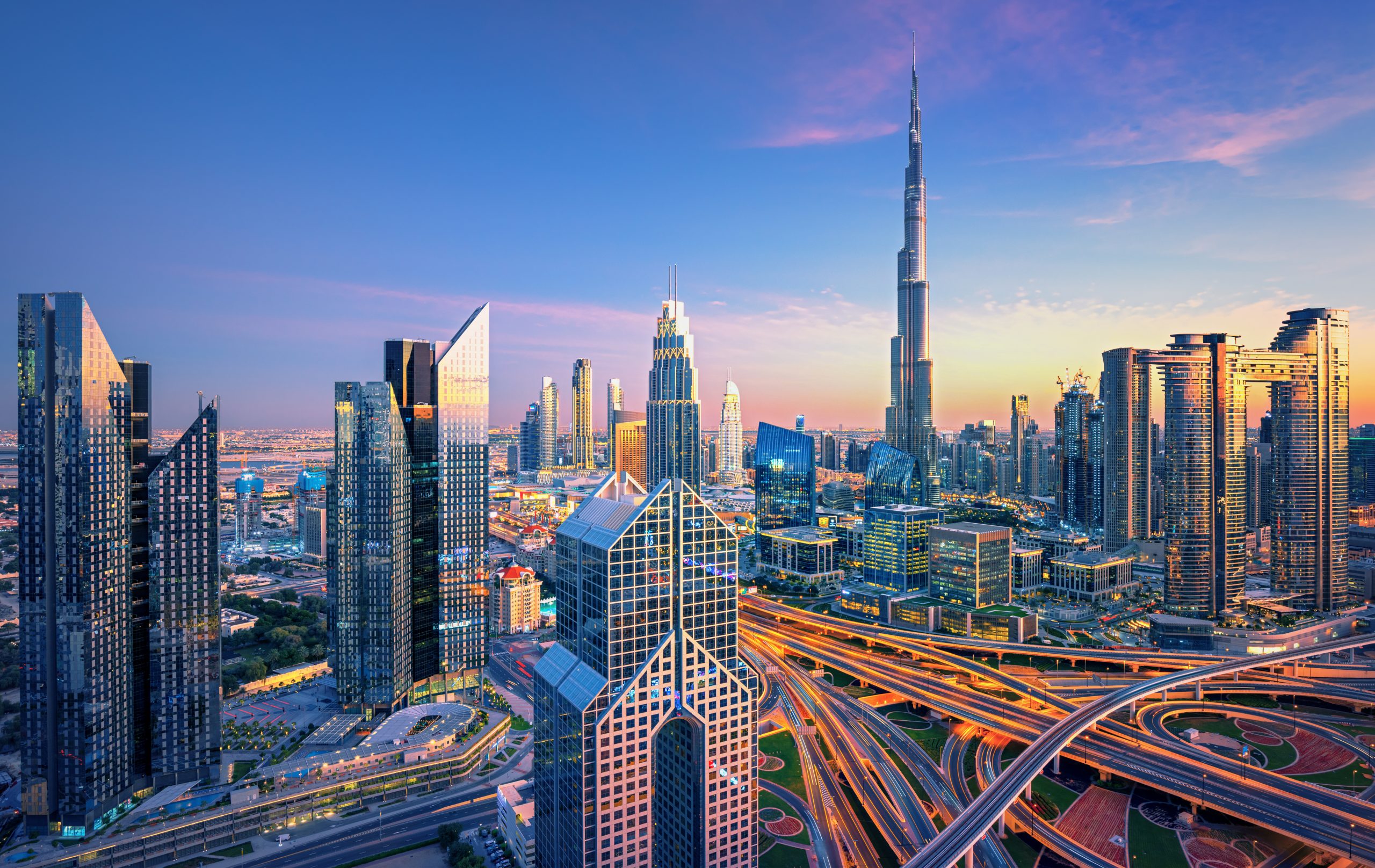
United Arab Emirates

The UAE remained under repeated military threat but still retained one of the Gulf’s most useful bypass options via the Habshan-Fujairah pipeline.
Dubai’s main share index rose 0.8% and Abu Dhabi’s 0.4% on renewed hopes that US-Iran talks might still proceed.
Dubai Integrated Economic Zones Authority (DIEZ) posted a 19.4% rise in revenue and 17.8% growth in net profit in 2025, and Dubai International Financial Centre (DIFC) announced plans to become the world’s first AI-native financial centre, projecting financial-sector confidence despite the regional turbulence.
EU Corner
The EU has politically agreed at ambassador level to expand the legal criteria of its Iran sanctions regime so that it can also target individuals and entities responsible for obstructing freedom of navigation in the Strait of Hormuz. The European External Action Service (EEAS) now expected to prepare possible listings in the coming weeks.
EU High Representative for Foreign Affairs Kaja Kallas stated Iran must abandon any plan to impose transit fees in the Strait of Hormuz and stressed that, under international law, passage through such waterways must remain open and free of charge. President of the European Commission Ursula von der Leyen also added that the EU could help by sharing satellite data and reinforcing Aspides in the Red Sea.
President of the European Commission Ursula von der Leyen welcomed the 10-day Lebanon ceasefire, while EU High Representative for Foreign Affairs Kaja Kallas said it should now be used to step back from violence and create space for negotiations towards a more lasting peace.
Wednesday, 15 April (Doha) – Emir Tamim bin Hamad Al Thani met the President of the European Council Antonio Costa reinforcing Qatar’s continued high-level channel into Europe during the war.
Wednesday, 15 April (Jeddah) Crown Prince Mohammed bin Salman met Pakistani Prime Minister Shehbaz Sharif in Jeddah to discuss the ongoing crisis and Iran-US negotiations.
Thursday, 16 April (Doha / by phone) – Qatar’s Emir Tamim and Oman’s Sultan Haitham bin Tarik discussed regional developments and de-escalation efforts, showing Doha and Muscat continuing to coordinate closely on the diplomatic track.
Friday, 17 April (Manama) – King Hamad bin Isa Al Khalifa received Kuwaiti Foreign Minister Jarrah Jaber Al Ahmad Al Sabah to meet and discuss in a spirit of ‘brotherly cooperation’.
Sunday, 19 April (Muscat) – Chief of Staff of the Omani Armed Forces, Vice Admiral Abdullah bin Khamis Al Raisi, met Chief of the Defence Staff of the French Armed Forces General (Air) Fabien Mandon. Both sides exchanged views on several topics of mutual interest and discussed a host of military files.
Monday, 20 April (Brussels) – Emir Tamim bin Hamad Al Thani met Jordanian Crown Prince Al Hussein bin Abdullah II in Doha and discussed regional developments.
Monday, 20 April (Riyadh / by phone). – Crown Prince Mohammed bin Salman receievd a phone from Chinese President Xi Jinping in which they discussed the Strait of Hormuz and need for it to remain open for normal passage.