


5 Top Points
- GCC Secretary-General Albudaiwi participated in the EU leaders’ informal summit in Cyprus, which outlined the EU’s priorities for addressing the consequences of the Iran war and called for strengthening EU-GCC cooperation.
- Ukraine’s President Zelenskyy met Mohammed bin Salman in Jeddah, and confirmed bilateral drone deals with Saudi Arabia, Qatar and the UAE.
- The UAE mediated an exchange of 386 prisoners between Ukraine and Russia, bringing the total of prisoners freed thanks to Emirati efforts to 6,691.
- Iranian Foreign Minister Araghchi visited Oman for talks with Sultan Haitham bin Tariq on the Strait of Hormuz and maritime security–his first visit to a GCC country since the start of its attacks.
- Kuwaiti Army confirmed two drone attacks originating from Iraq, with no casualties.
‘Round and About the Gulf’
Kingdom of Bahrain

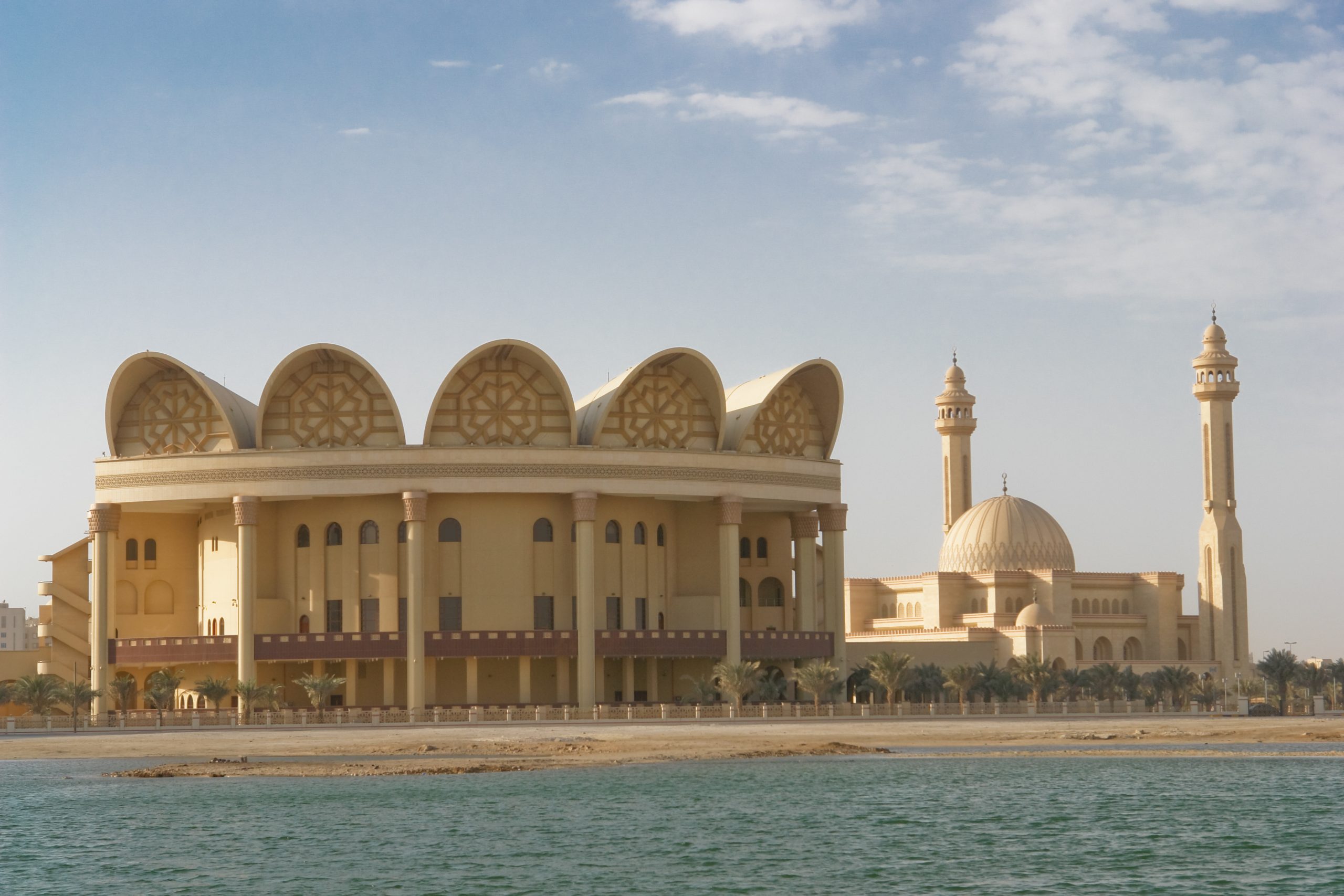
Friday, 24 April — Bahrain’s Minister of Foreign Affairs, Abdullatif bin Rashid Al Zayani, reaffirmed the country’s commitment to multilateral cooperation, dialogue, and international solidarity to promote a more just and stable global order. He highlighted Bahrain’s active role in the United Nations Security Council, the Gulf Cooperation Council, and the Arab League, with priorities including peaceful conflict resolution, humanitarian support, and respect for states’ sovereignty.
State of Kuwait

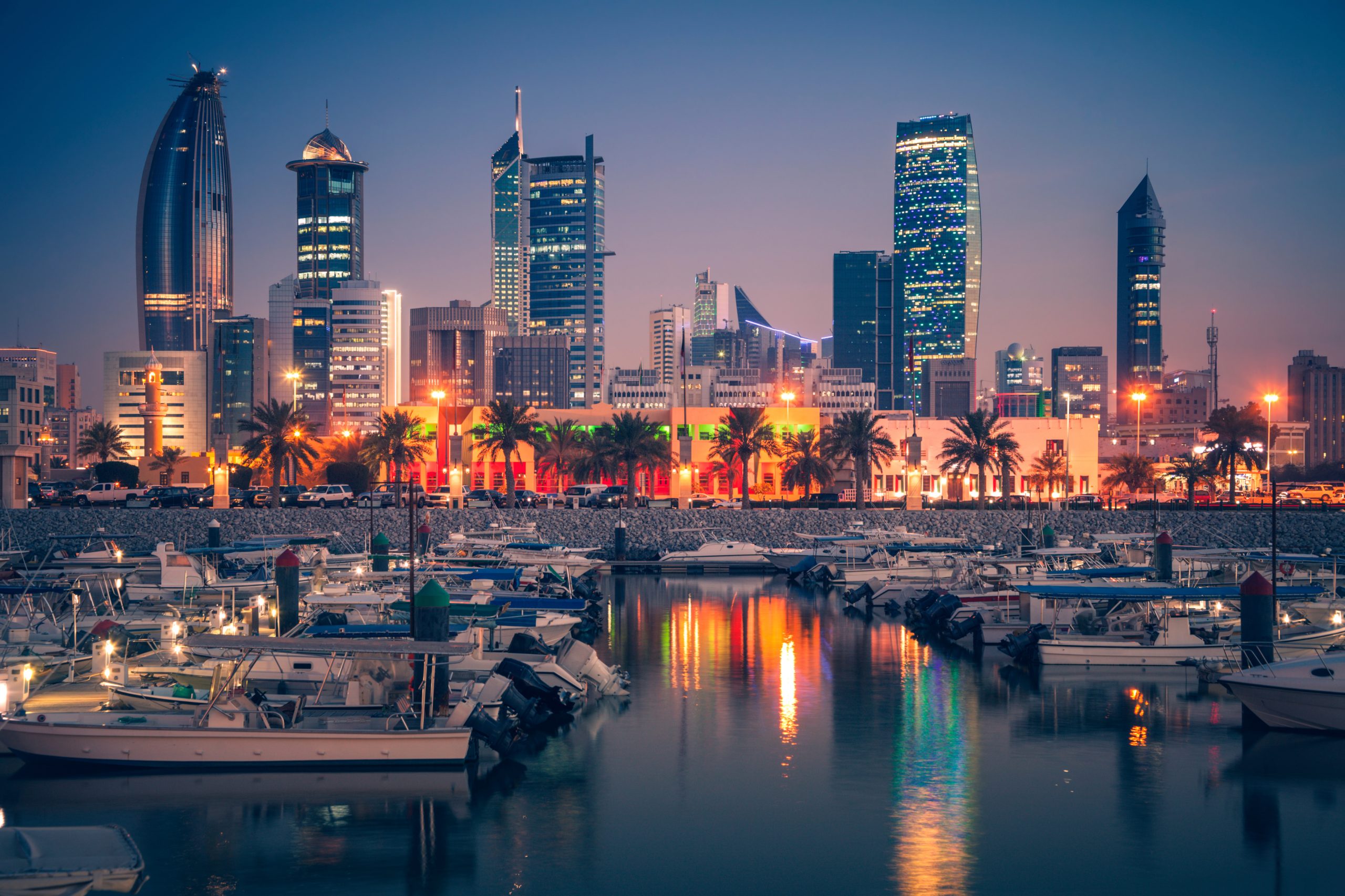
Thursday, 23 April — Kuwait’s army stated that two unmanned aerial vehicles (drones) – launched from Iraq – targeted two border posts in the northern part of Kuwait, resulting in material damage but no casualties. The General Secretariat of the Organisation of Islamic Cooperation (OIC) has condemned the attack as a violation of Kuwait’s sovereignty and security.
Sultanate of Oman

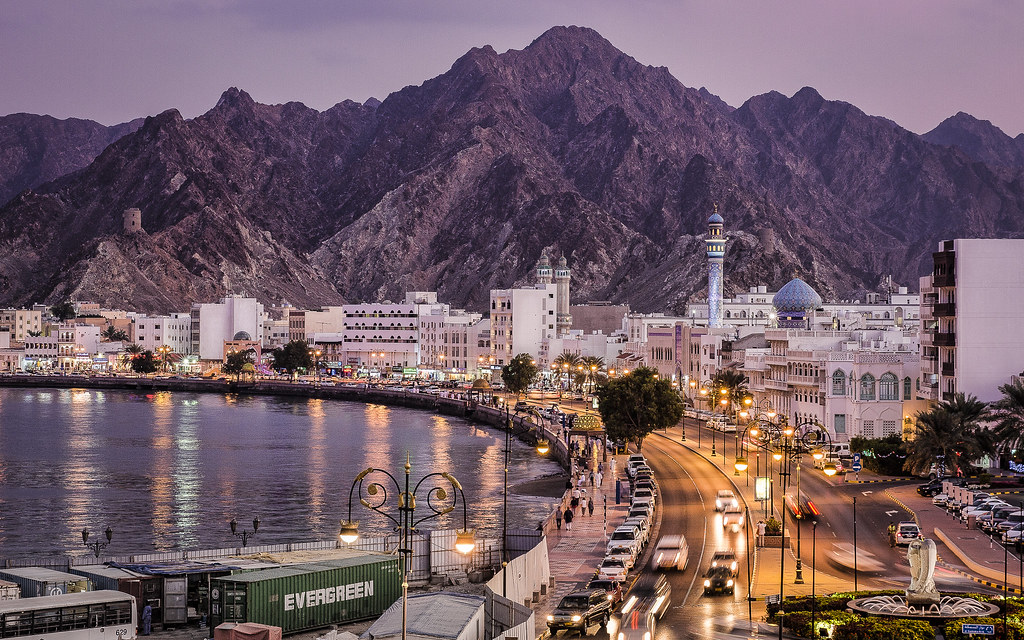
Sunday, 26 April – Following a meeting with his Iranian counterpart, Abbas Araghchi, in Muscat, Oman’s Foreign Minister, Badr bin Hamad Al Busaidi, underlined the shared responsibility of Oman and Iran to the international community to guarantee freedom of navigation in the Strait of Hormuz and address what he called ‘the urgent humanitarian need to free seafarers held for far too long.’ However, he acknowledged that ‘much diplomacy and practical solutions’ are still needed to achieve a lasting solution.
State of Qatar

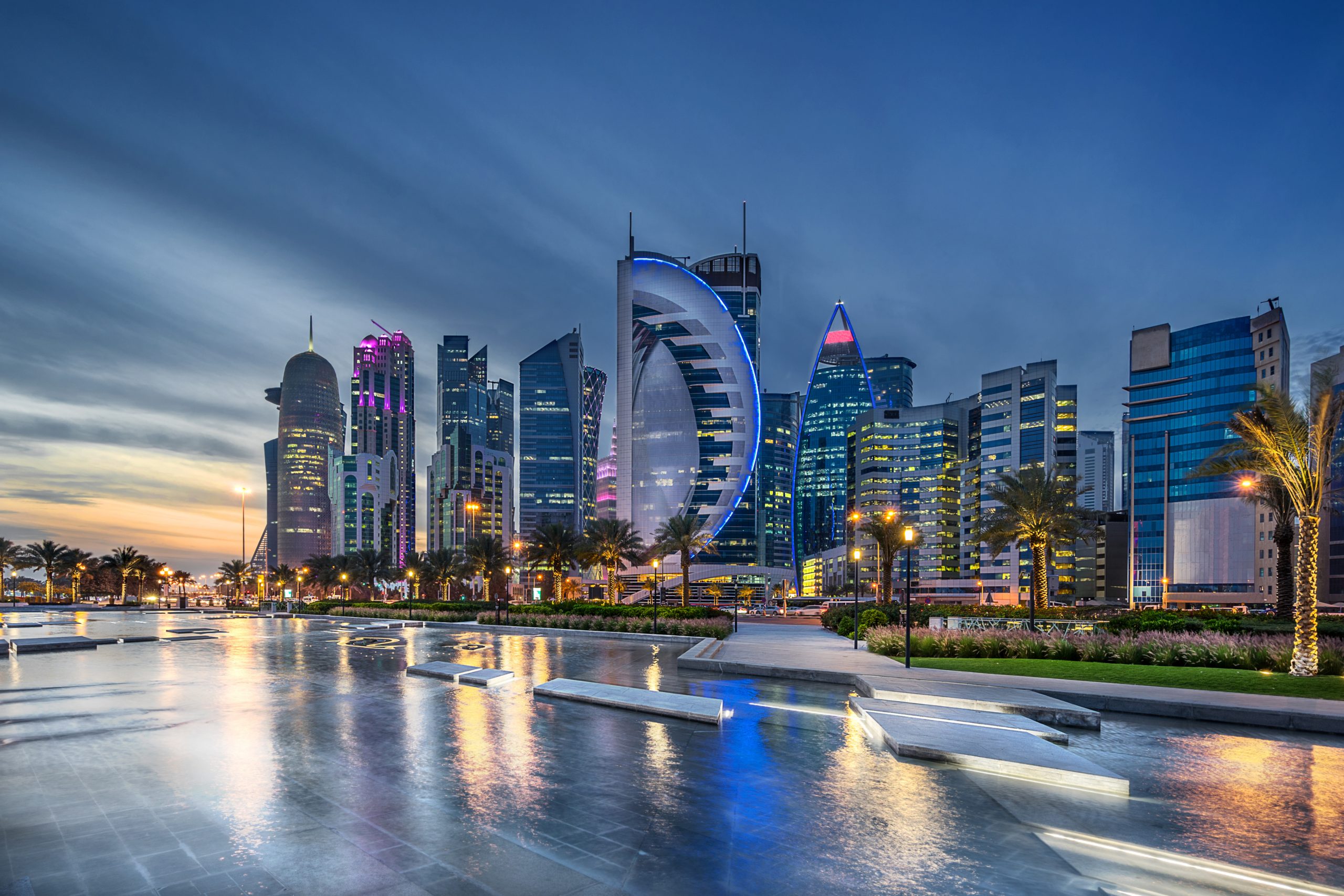
Friday, 24 April — Qatar’s Foreign Ministry spokesperson, Majed bin Mohammed Al Ansari, reaffirmed that the country is actively engaged in ongoing diplomatic efforts with international partners, including the United States and Pakistan, to support negotiations and de-escalation amid current regional tensions. Al Ansari warned that any disruption to the Strait of Hormuz would have severe global economic consequences, underlining the shared international responsibility to keep it open. He also reiterated Qatar’s commitment to dialogue as the only path to resolving conflicts, including those involving Iran, Lebanon and Syria, as well as its support for ceasefires, humanitarian stability, and long-term regional security through continued diplomatic and strategic partnerships.
Kingdom of Saudi Arabia

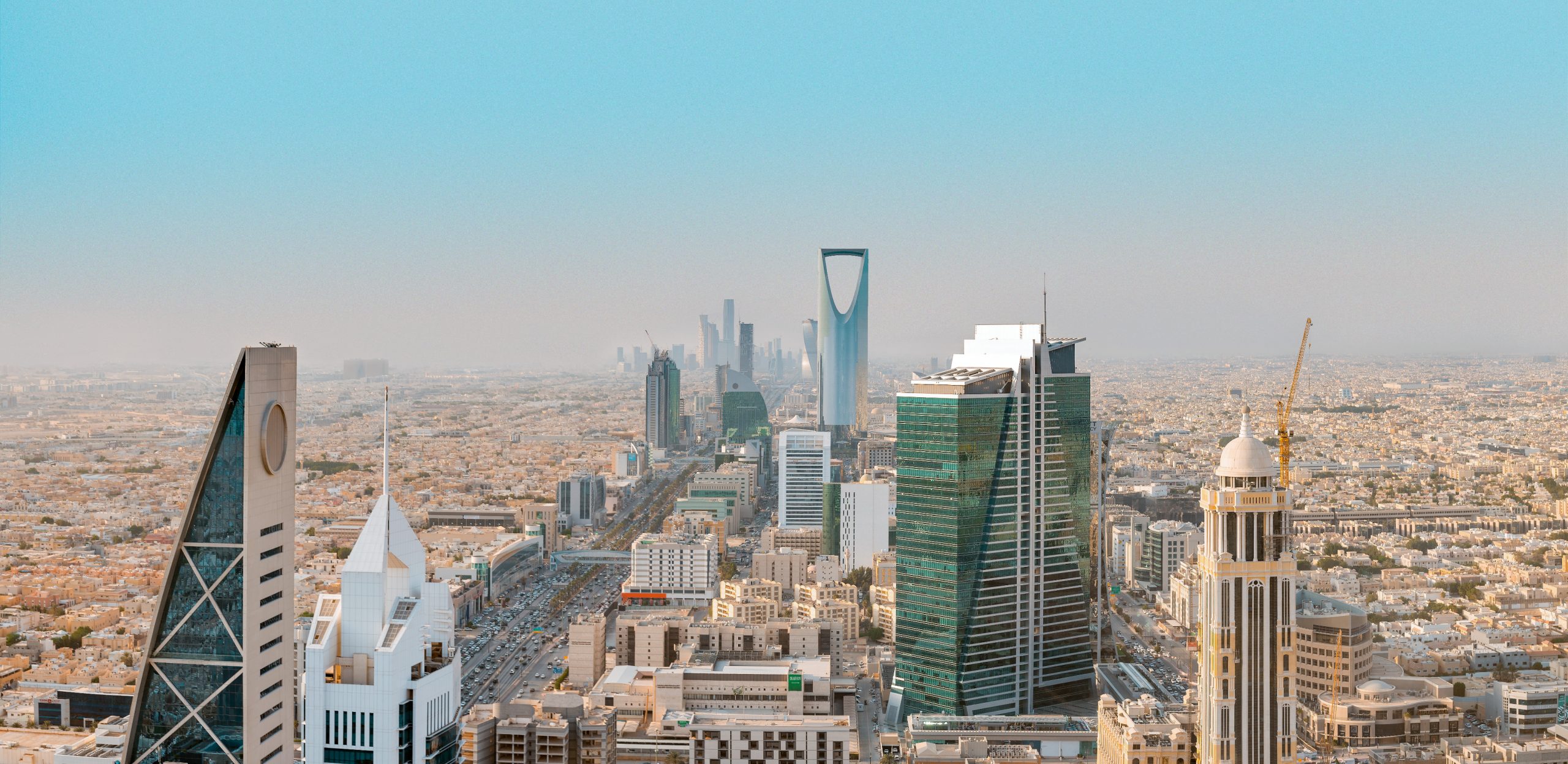
Monday, 27 April – Saudi Crown Prince and Prime Minister, Mohammed bin Salman Al Saud, reviewed the achievements of the Vision 2030, a decade since its unveiling, and announced the start of the third and last phase of the project (2026-2030). The report underlined that 93% of Vision 2030 key performance indicators met or exceeded annual targets in 2025, highlighting the success of the project. The Saudi Crown Prince affirmed that the last phase of Vision 2030 will focus on long-term objectives, such as expanding private sector participation, sustaining prosperity in the country and securing Saudi Arabia’s leading position amongst advanced countries.
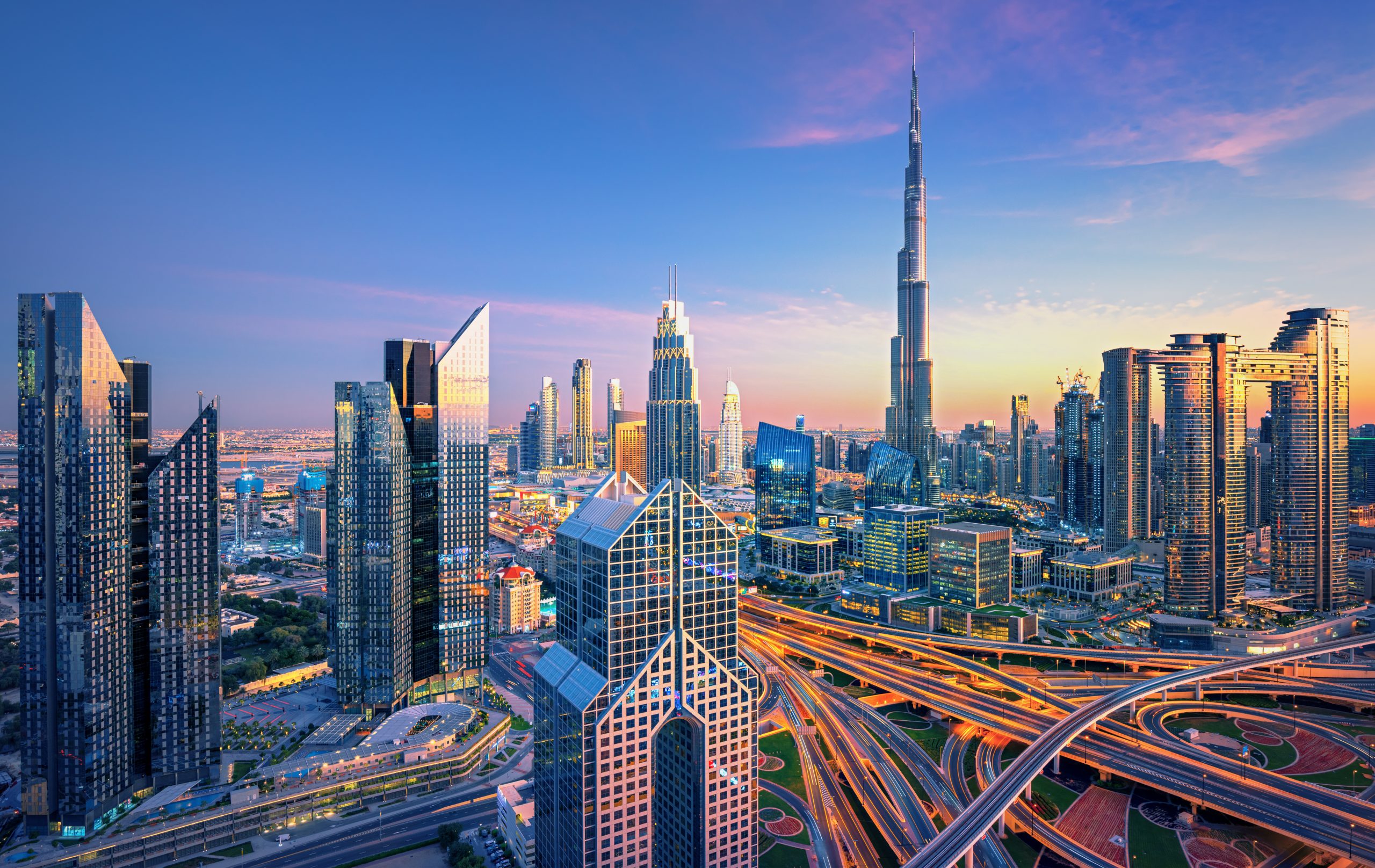
United Arab Emirates

Sunday, 26 April – The UAE launched an AED 1 billion (approximately €250 million) fund to boost its industrial sector and diversify the economy. The aim of the fund is to strengthen supply chains, increase self-sufficiency, and to expand the use of AI across manufacturers.
EU Corner
Thursday, 23 April & Friday, 24 April – EU heads of state and government met informally in Cyprus to address the wars in Ukraine and the Middle East and to discuss the EU’s long-term budget. The Gulf Cooperation Council Secretary-General, Jasem Albudaiwi, was invited alongside leaders from Jordan, Lebanon, Syria, and Egypt for talks on the situation in the Middle East. It marked the first inclusion of the GCC Secretary-General at an informal European Council summit.
Thursday, 23 April–Speaking at the Cyprus Summit, European Commission President, Ursula von der Leyen, called for moving ‘beyond reactive crisis management’ and expanding the scope of maritime missions (such as Operation ASPIDES) into a ‘sophisticated joint maritime coordination.’ She proposed establishing structural EU-GCC cooperation to scale up defence production, and expand export infrastructure beyond the Strait of Hormuz, including through projects such as the India-Middle East-Europe Economic Corridor (IMEC). She also framed the upcoming EU-GCC Summit as an opportunity to transform the EU-GCC relationship into a ‘broader geopolitical partnership’, adding that ‘Europe will remember’ the Gulf states’ support in evacuating EU citizens during the attacks.
Friday, 24 April–In Cyprus, European Council President, Antonio Costa, highlighted the link between European and Middle Eastern security and the need for security and defence cooperation, while positioning the EU as ‘a reliable and predictable partner’ for the GCC. He set out the EU’s three key priorities: reopening the Strait of Hormuz without tolls or restrictions, a stable and lasting ceasefire that includes Lebanon, and preventing a nuclear-armed Iran. Von der Leyen separately disclosed that EU’s fossil fuel import costs had increased by €25 billion since the start of the conflict. In light of the economic consequences, both leaders stressed that the EU needs to accelerate its clean energy transition, including renewables and nuclear, to reduce dependence on fossil fuels and vulnerability to supply chain disruptions.
Key Official Visits & Contacts
Tuesday, 21 April & Wednesday, 22 April – Syrian President, Ahmed Al Sharaa, toured Qatar, Saudi Arabia and the United Arab Emirates. His talks with the Gulf countries’ leaders focused on strengthening the respective bilateral economic ties, investment possibilities and trade. Additionally, the Syrian President expressed solidarity with the Gulf countries affected by the Iranian attacks.
Wednesday, 22 April – Arab foreign ministers, in a virtual meeting chaired by the Minister of Foreign Affairs of Bahrain, Abdullatif bin Rashid Al Zayani, under Bahrain’s presidency of the Arab League, condemned Iran’s recent missile and drone attacks on Arab countries, calling for a unified response, accountability, and compensation for damages, and warning that the strikes—continuing despite international resolutions—pose a serious threat to regional and global security.
Wednesday, 22 April – Dutch Minister of Foreign Affairs, Tom Berendsen, visited the UAE and Saudi Arabia to discuss the US-Iran negotiations and efforts to restore freedom of navigation in the Strait of Hormuz with his counterparts, Abdullah bin Zayed Al Nahyan and Faisal bin Farhan Al Saud. Additionally, they discussed regional developments, including Lebanon, Syria, Sudan, and Yemen.
Thursday, 23 April – In Astana, Theyazin bin Haitham Al Said, Oman’s Crown Prince and Deputy Prime Minister for Economic Affairs, met with Kazakh President, Kassym-Jomart Tokayev, to discuss areas of economic and investment cooperation beneficial for both countries.
Thursday, 23 April – During a state visit to Saudi Arabia marking 70 years of diplomatic relations, Swiss President, Guy Parmelin, signed an agreement on the promotion and protection of investments and held talks with Saudi Crown Prince and Prime Minister, Mohammed bin Salman Al Saud, and Investment Minister, Fahad bin Abduljalil Al Saif, accompanied by a high-level economic delegation.
Thursday, 23 April – Italian Defence Minister, Guido Crosetto, toured Qatar, Saudi Arabia and the United Arab Emirates to position Italy as a reliable political and military partner for the Gulf countries, particularly in relation to regional and maritime security as well as defence and counter-terrorism cooperation. Discussions addressed the Iranian attacks, freedom of navigation in the Strait of Hormuz, with a key outcome being a letter of intent to expand defence ties with the UAE. Following the visit, Chief of Staff of the Italian Navy, Giuseppe Berutti Bergotto, said Italy is prepared to deploy up to four naval vessels, including minesweepers, as part of an international mission to clear the Strait of Hormuz.
Friday, 24 April – The UAE successfully mediated a new exchange of prisoners between Russia and Ukraine, which led to the release of 193 captives on each side. The total number of prisoners exchanged between the two countries through UAE-mediated talks reached 6,691.
Friday, 24 April – In Jeddah, Ukrainian President, Volodymyr Zelenskyy, held talks with the Saudi Crown Prince and Prime Minister, Mohammed bin Salman Al Saud, where defence, energy, infrastructure and food security cooperation topped their agenda. Zelenskyy earlier confirmed the signing of three separate drone deals with Saudi Arabia, Qatar and the United Arab Emirates, to boost their air defence capabilities with the help of Ukrainian expertise, training and software and co-production of more affordable drones.
Saturday, 25 April – Saudi Arabia has intensified diplomatic efforts in Lebanon following the start of direct negotiations between Lebanon and Israel. After a White House meeting extending the ceasefire, Saudi Foreign Minister, Faisal bin Farhan, visited Beirut and engaged leaders, including President of Lebanon, Joseph Aoun, and the Speaker of the Parliament, Nabih Berri, to promote unity and prevent internal divisions. Riyadh supports negotiations only within strict parameters—preserving sovereignty, avoiding normalisation beyond the Arab Peace Initiative, and prioritising a ceasefire, security arrangements, and reconstruction—while maintaining communication with Iran and coordinating with regional partners.
Saturday, 25 April – Amid ongoing US-Iran negotiations, Iranian Foreign Minister, Abbas Araghchi, embarked on a broader tour with stops in Pakistan, Oman and Russia. In Oman—his first Gulf visit since the war began—Araghchi met Sultan Haitham bin Tariq in Muscat to discuss regional developments, mediation efforts, and maritime security in the Strait of Hormuz.
Sunday, 26 April – In a phone call with Iranian Minister of Foreign Affairs, Abbas Araghchi, Qatari Prime Minister and Minister of Foreign Affairs, Mohammed bin Abdulrahman Al Thani, stressed the need to open maritime corridors and the importance of refraining from using them as tools of pressure, underlining the negative implications of such actions on supply chains worldwide.