




5 Top Points
- A ceasefire was announced, but the situation in the Gulf remains volatile: European and GCC leaders welcomed a two-week US-Iran ceasefire and urged a swift negotiated settlement.
- The Gulf’s maritime crisis becomes a global shipping emergency: After the UN Security Council failed to pass a Bahrain-backed resolution on protecting navigation owing to Russian and Chinese vetos.
- Iranian attacks continue against the Gulf despite the ceasefire: Qatar stated it had intercepted seven ballistic missiles and a number of drones (8 April) and the UAE stated its air defences engaged 17 ballistic missiles and 35 drones the same day.
- Qatar and Oman keep diplomatic channels alive while the wider GCC stays on high alert: Doha maintained a heavy crisis diplomacy schedule, including with the UK, Iran, India, Jordan, Oman and Türkiye, while Muscat publicly welcomed the ceasefire and continued to call for maintaining it and pursuing US-Iran talks.
- The economic cost of the war widened into a full Gulf and European growth problem: the IMF cut its 2026 MENA growth forecast to 1.1% from 3.9%, warning that damaged energy infrastructure and shipping disruption were hitting output and exports across the region.
‘Round and About the Gulf’
Kingdom of Bahrain

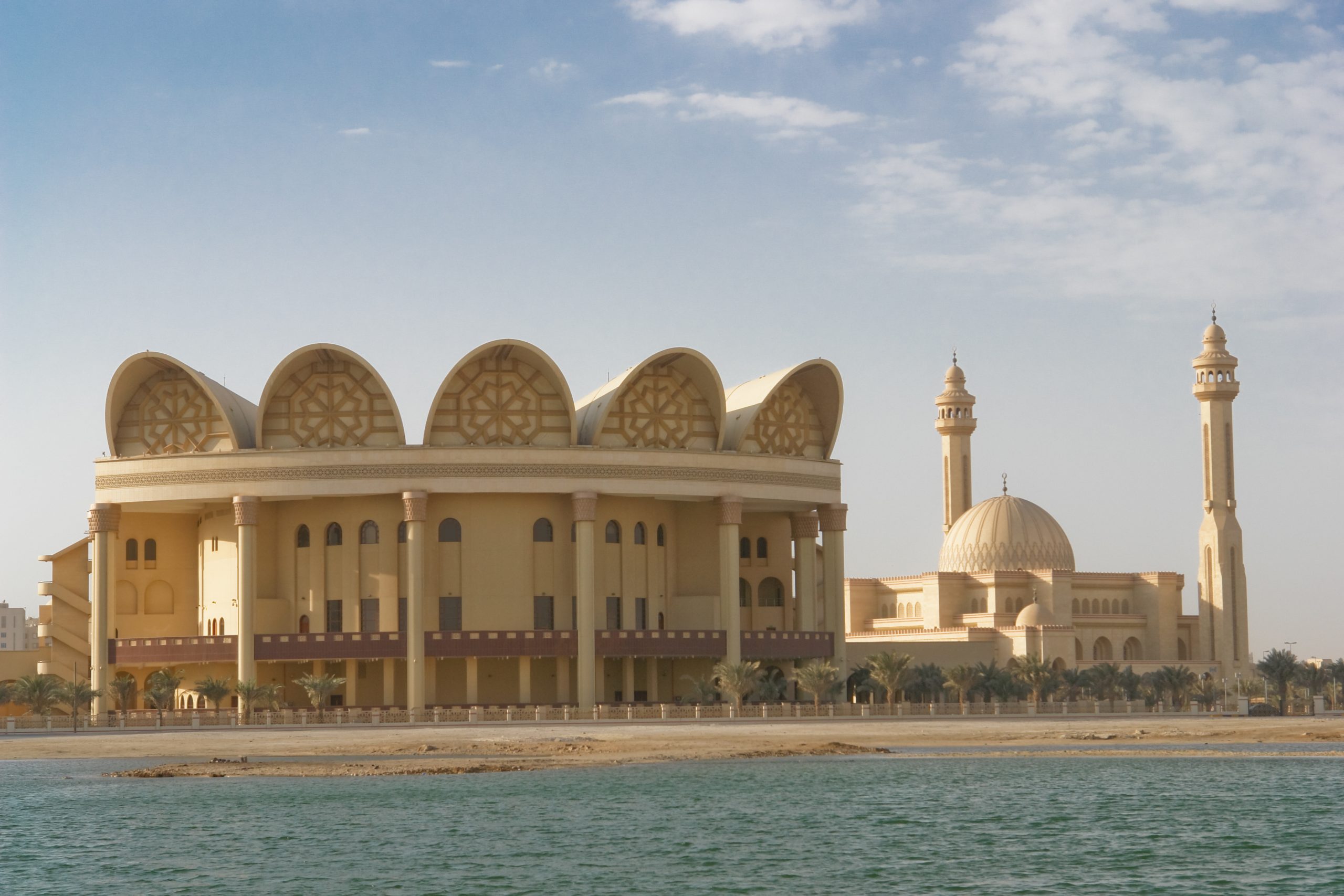
Bahrain used its April presidency of the UN Security Council to keep the Strait of Hormuz and the Iranian attacks at the centre of international diplomacy. The UAE publicly thanked Bahrain for stewarding the failed draft resolution on maritime protection, underscoring Manama’s leading diplomatic role on the file. At the same time, regional reporting said Bahrain had (by 11 April) intercepted 194 missiles and 516 drones since the Iranian attacks began.
Bahrain’s UN Permanent Representative Jamal Fares Alrowaiei warned that Iranian attacks on commercial navigation and critical infrastructure were no longer only a Gulf issue, but a direct threat to international trade and energy security.
State of Kuwait

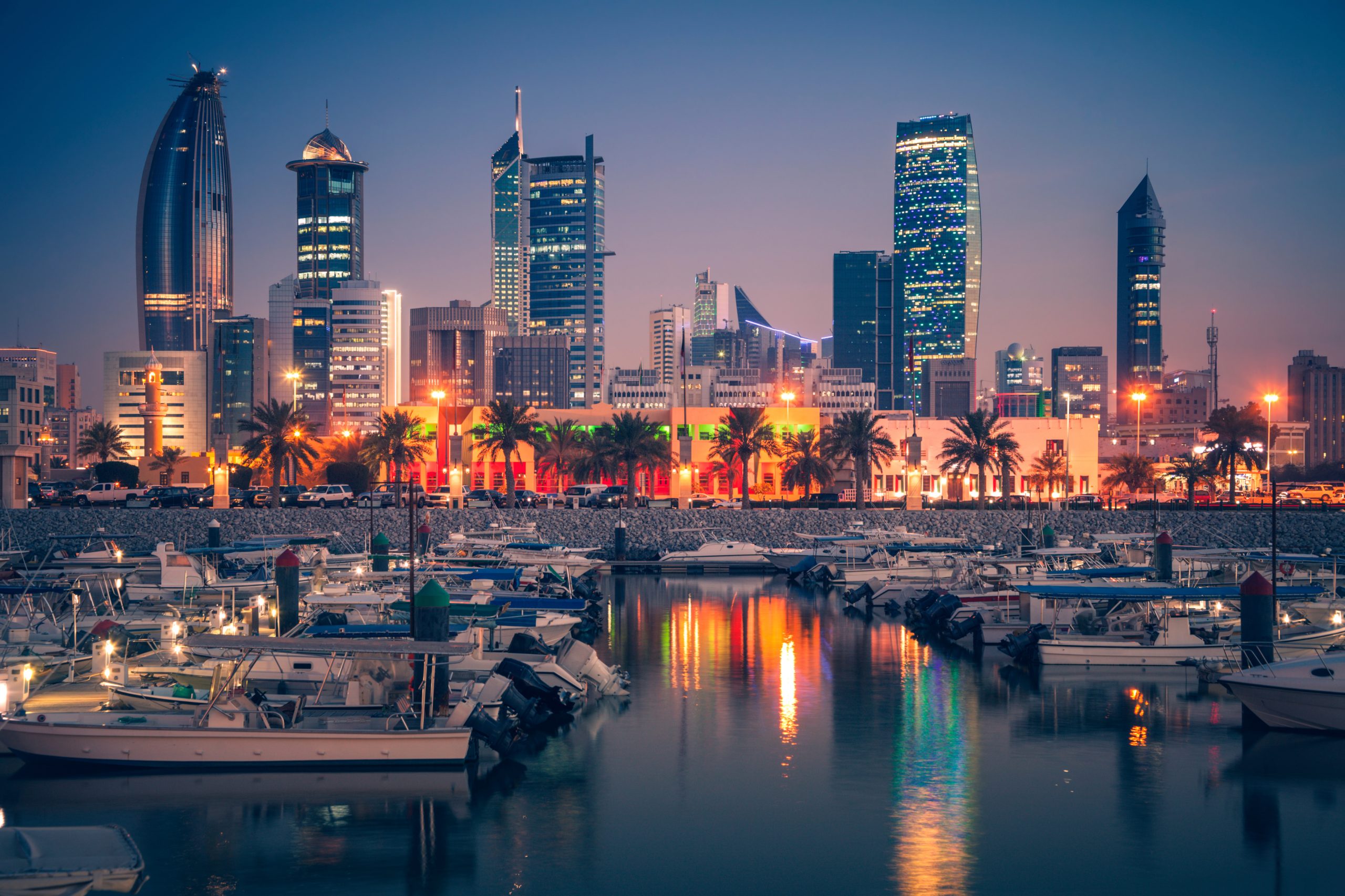
Kuwait remained one of the Gulf countries most exposed to the war’s military and economic pressure. Foreign Minister Jarrah Jaber Al-Ahmad Al-Sabah spoke with his Egyptian counterpart about regional developments, while official and market reporting continued to frame Kuwait as especially vulnerable because it lacks a meaningful bypass route around the Strait of Hormuz. The IMF was projecting that Kuwait’s economy would contract this year as a result of the conflict.
Sultanate of Oman

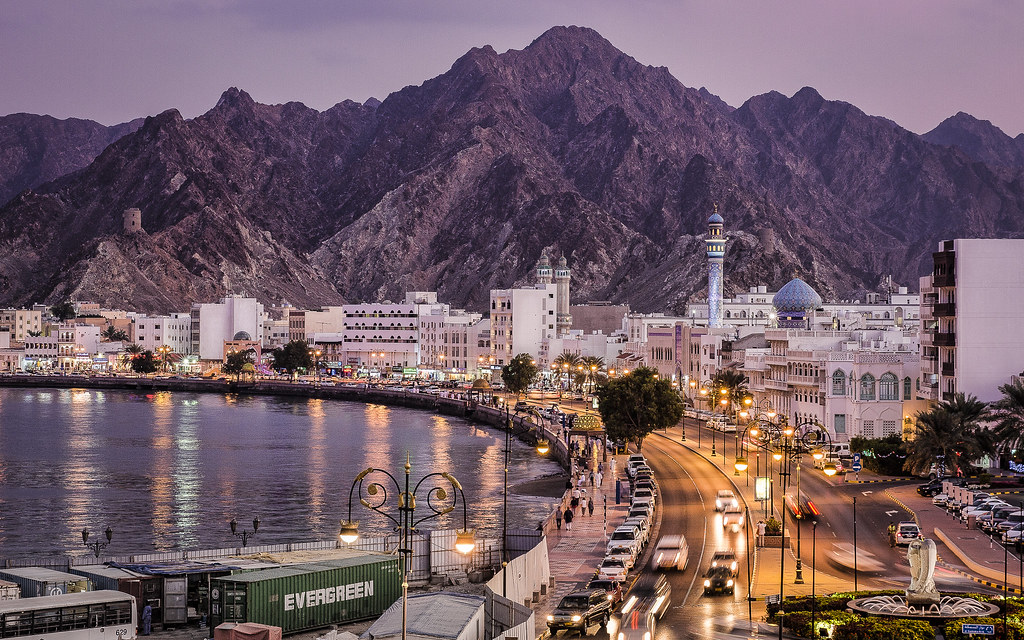
Oman welcomed the US-Iran ceasefire and the Omani Foreign Minister Badr bin Hamad Al Busaidi publicly called for maintaining the ceasefire and continuing the talks. Sultan Haitham bin Tarik held a phone call with Qatar’s Emir Tamim bin Hamad Al Thani reinforcing Oman’s position as a key channel for de-escalation.

State of Qatar

Qatar sent its 14th identical letter to the UN and Security Council on the latest Iranian attack, stressing its right to self-defence. In parallel, Prime Minister and Foreign Minister Mohammed bin Abdulrahman bin Jassim Al Thani held talks with UK Prime Minister Keir Starmer, while Qatar’s leadership met senior Turkish defence officials and Emir Tamim bin Hamad Al Thani also received a call from Sultan Haitham of Oman.
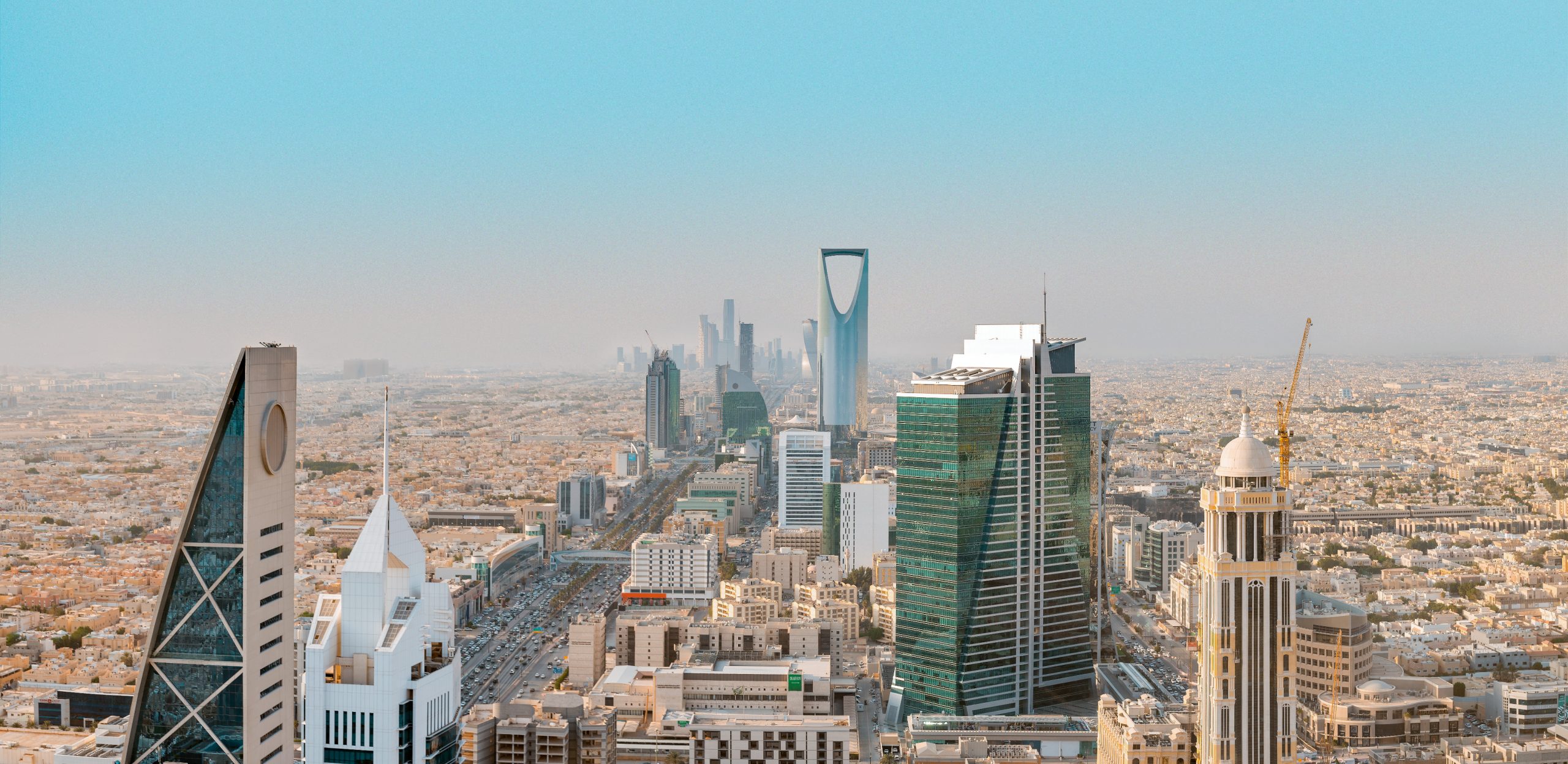
Kingdom of Saudi Arabia

Saudi Arabia remained comparatively better positioned than several Gulf neighbours, but still under clear strategic pressure. Iran’s attacks had cut Saudi oil production capacity by around 600,000 barrels per day and throughput on the East-West pipeline by about 700,000 bpd before later recovery work restored the pipeline’s full seven million bpd capacity. The IMF still expected Saudi Arabia to outperform the rest of the war-affected Gulf, with 3.1% growth projected for 2026.
Defence Minister Prince Khalid bin Salman held talks in Riyadh with Greek Defence Minister Nikos Dendias, with both sides discussing ongoing Iranian attacks on Saudi Arabia and the rest of the GCC and its implications for international peace and security.

United Arab Emirates

The UAE stayed on a high-alert military and diplomatic footing and Abu Dhabi also warned that the world could not absorb the Security Council’s failure on shipping security. Economically, markets briefly rallied on the ceasefire but retreated again after talks faltered and Washington announced a maritime blockade on traffic to and from Iranian ports.
Official reporting stated that, since the start of the Iranian attacks, Emirati air defences had dealt with 238 ballistic missiles, 1,422 drones, and 8 cruise missiles.
EU Corner
EU High Representative for Foreign Affairs Kaja Kallas stated the Strait of Hormuz situation underlined the need for a strong international maritime coalition, and President of the Commission Ursula von der Leyen said restoring traffic through the Strait was of ‘paramount’ importance.
Eurogroup President Kyriakos Pierrakakis stated the worst-case outcome for Europe would be stagflation, with the Strait of Hormuz impact fuelling both inflation and weaker growth.
President of the European Central Bank (ECB) Christine Lagarde stated she can not yet made a decision on interest rates due to the economic effects of the Iran war and the uncertainty surrounding the Strait of Hormuz
Key Official Visits & Contacts
Friday, 10 April (Doha) – Prime Minister and Foreign Minister Sheikh Mohammed bin Abdulrahman bin Jassim Al Thani held talks with UK Prime Minister Keir Starmer, with maritime security and freedom of navigation among the key themes.
Monday, 13 April (Riyadh) – GCC Secretary-General Jasem Mohamed Albudaiwi discussed the regional escalation and the Iranian attacks on Gulf countries states with Austria’s Foreign Minister Beate Meinl-Reisinger reflecting continued European engagement.
Sunday, 13 April (Riyadh / by phone) GCC Secretary-General Jasem Mohamed Albudaiwi received a phone call from the US Deputy Secretary of State Christopher Landau to discuss the latest regional developments and ways to strengthen GCC-US strategic cooperation through joint working groups.
Tuesday, 14 April (Doha / by phone) – Qatar’s Emir Sheikh Tamim bin Hamad Al Thani received a phone call from Oman’s Sultan Haitham bin Tarik to discuss the ceasefire and Strait of Homruz crisis.
Tuesday, 14 April (Doha) – Qatar’s Deputy Prime Minister and Minister of State for Defence Affairs Sheikh Saoud bin Abdulrahman bin Hassan Al-Thani met Turkish Defence Minister Yasar Guler, while Qatar’s Prime Minister and Foreign Minister also held separate talks with him.