


5 Top Points
- Aluminium Bahrain will acquire the EU’s largest aluminium smelter in France.
- Kuwait intercepted a new wave of drones and missiles for the second time in three days, condemning Iranian attacks as a threat to regional stability.
- Iranian and Qatari officials met in Doha to advance indirect US-Iran talks on sanctions relief, frozen assets, and regional security issues.
- Saudi Arabia’s Foreign Minister joined his EU counterparts in Cyprus for discussions on Middle East security, maritime stability, and supply-chain resilience.
- UAE and French partners announced a €7.5 billion Campus AI expansion project to build up to 3GW of computing capacity in France.
‘Round and About the Gulf’
Kingdom of Bahrain

Tuesday, 2 June — Aluminium Bahrain (Alba), the world’s largest aluminium smelter, agreed to acquire France’s Aluminium Dunkerque, the largest aluminium smelter in the European Union, producing around 300,000 metric tonnes of aluminium annually, for approximately €1.9 billion from American Industrial Partners. At the Choose France Summit, Alba agreed that the French state-backed investment bank Bpifrance will acquire a 6% stake in Aluminium Dunkerque.
State of Kuwait

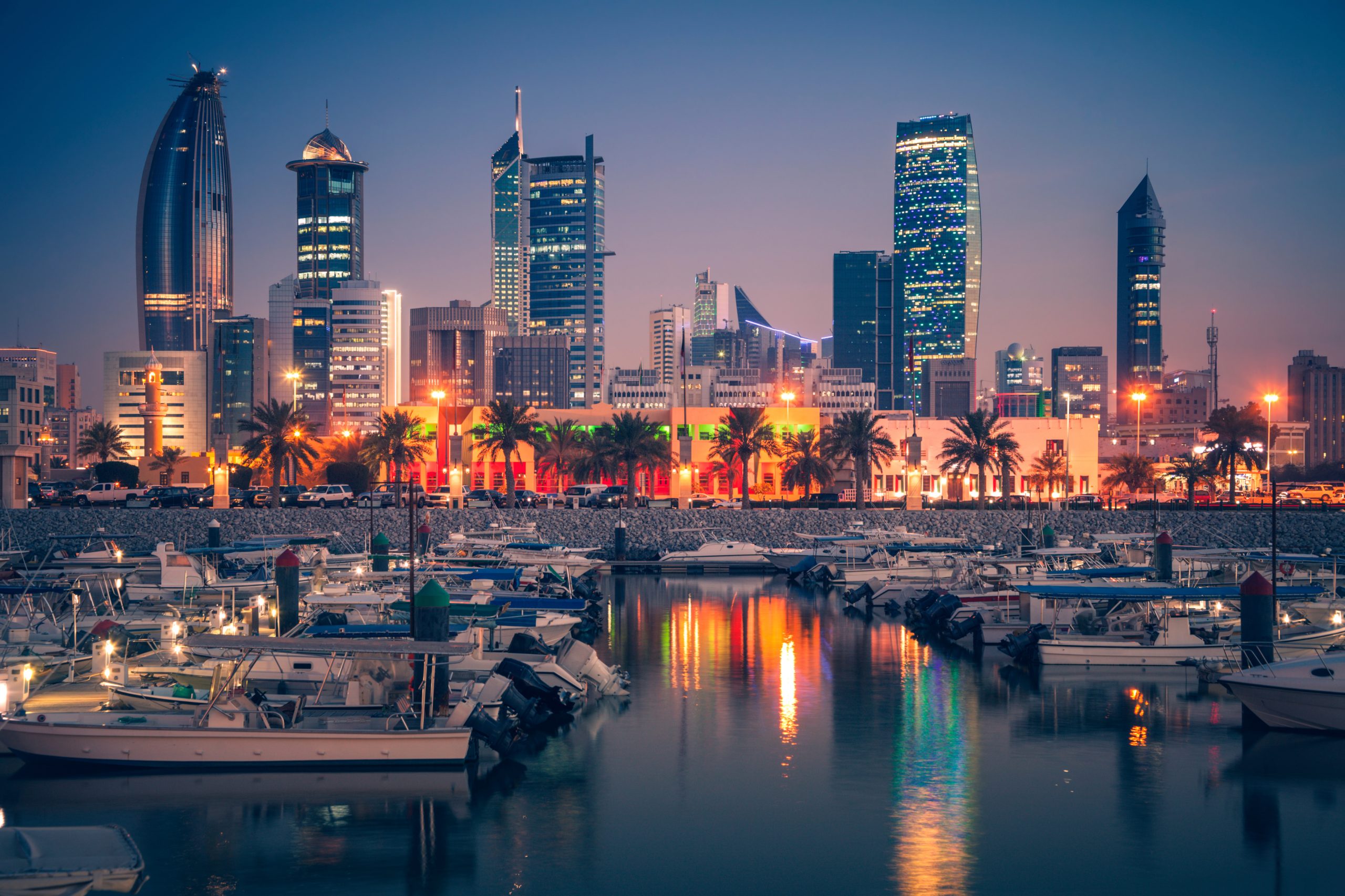
Monday, 1 June — Kuwait’s Army announced its air defences confronted another wave of missile and drone attacks, three days after the previous interceptions. The Kuwaiti Foreign Ministry later denounced the repeated Iranian attacks and highlighted that they undermine deescalation efforts and threaten regional security and stability.
Sultanate of Oman

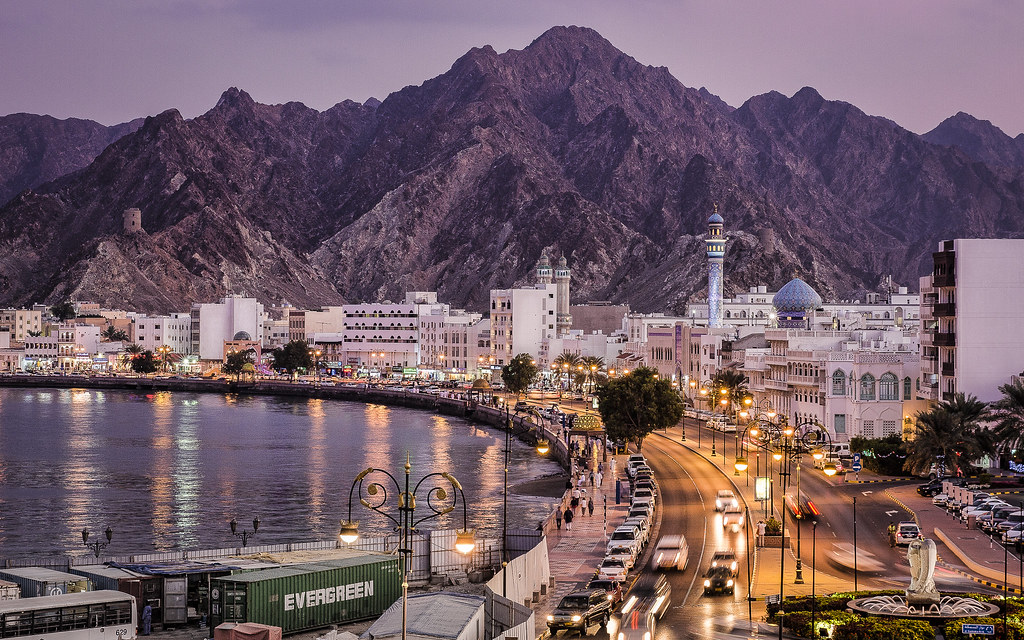
Tuesday, 2 June — OQ Exploration and Production Company, an Omani government-owned energy company, signed a Memorandum of Understanding with the Libyan Investment Authority in Tripoli, creating a strategic framework for the two countries to explore joint projects and investment opportunities in oil and gas exploration and production both regionally and internationally.
State of Qatar

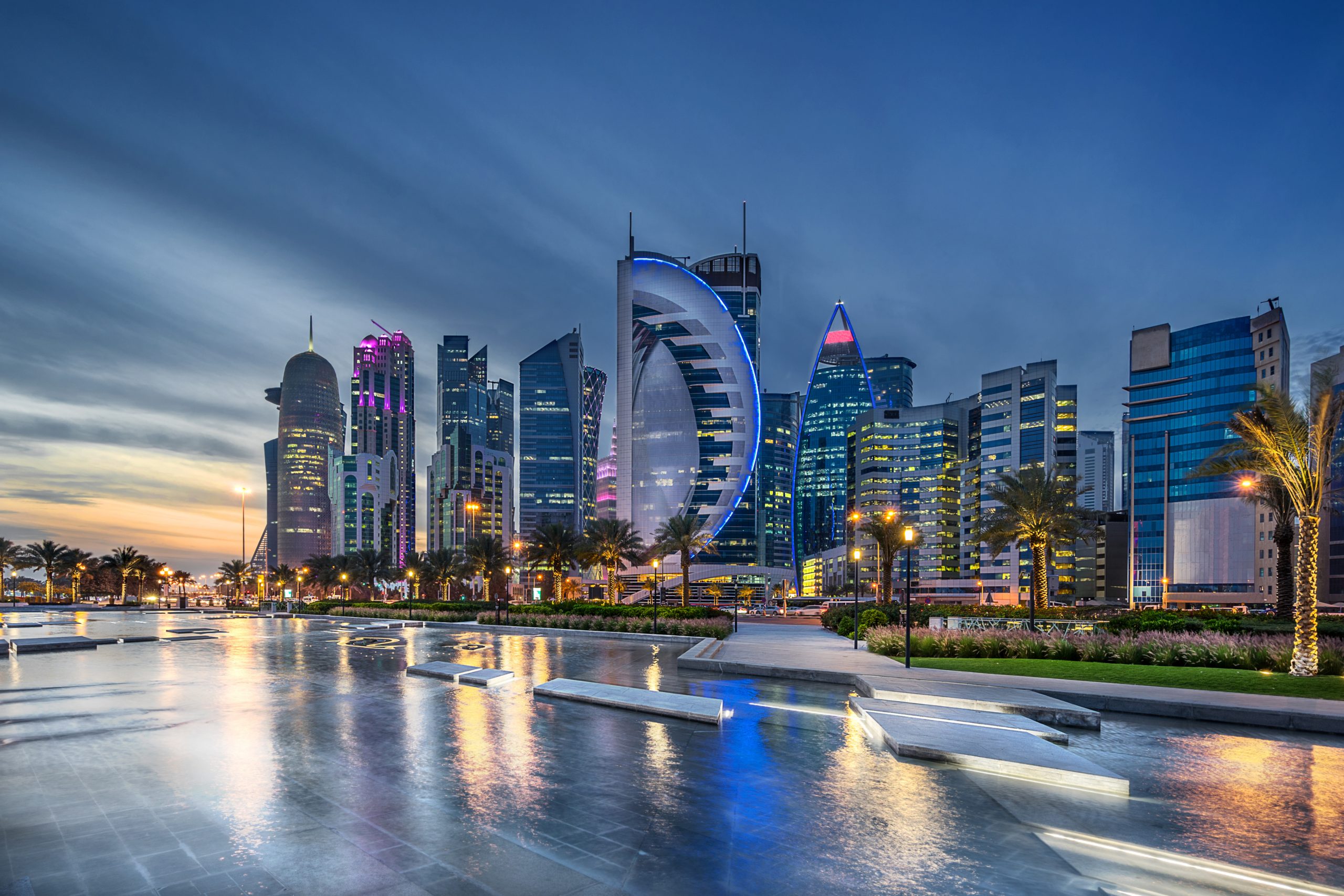
Sunday, 31 May — Qatar’s Deputy Prime Minister and Minister of State for Defence Affairs Saoud bin Abdulrahman Al Thani ruled out a permanent toll for passage through the Strait of Hormuz but said that a temporary one could be negotiable for Qatar. He made the remarks during a panel at the Shangri-La Dialogue in Singapore, in response to a question on the Iran-Oman talks on a possible toll system in the Strait.
Kingdom of Saudi Arabia

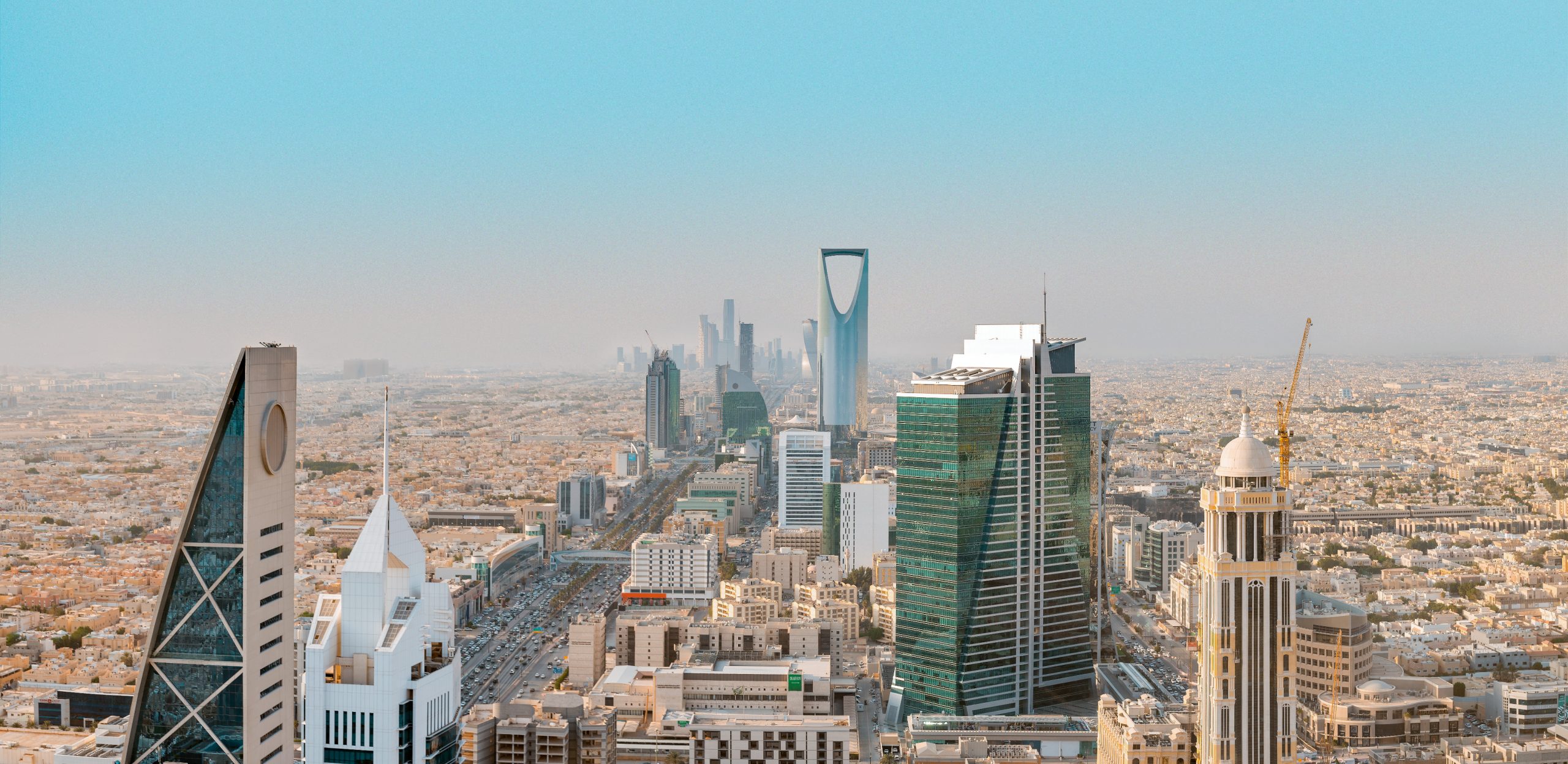
Wednesday, 27 May — China’s ZOE Energy Storage formed a joint venture to build an 18 GWh battery energy storage system factory in Saudi Arabia, the first such facility in the Kingdom. The factory will support achieving the Saudi Vision 2030 goals of 48 GWh of energy storage and 130 GWh of renewable energy capacity. Beyond Saudi Arabia’s energy needs, the factory is also expected to supply markets across the Gulf, Middle East, Africa and Central Asia.
United Arab Emirates

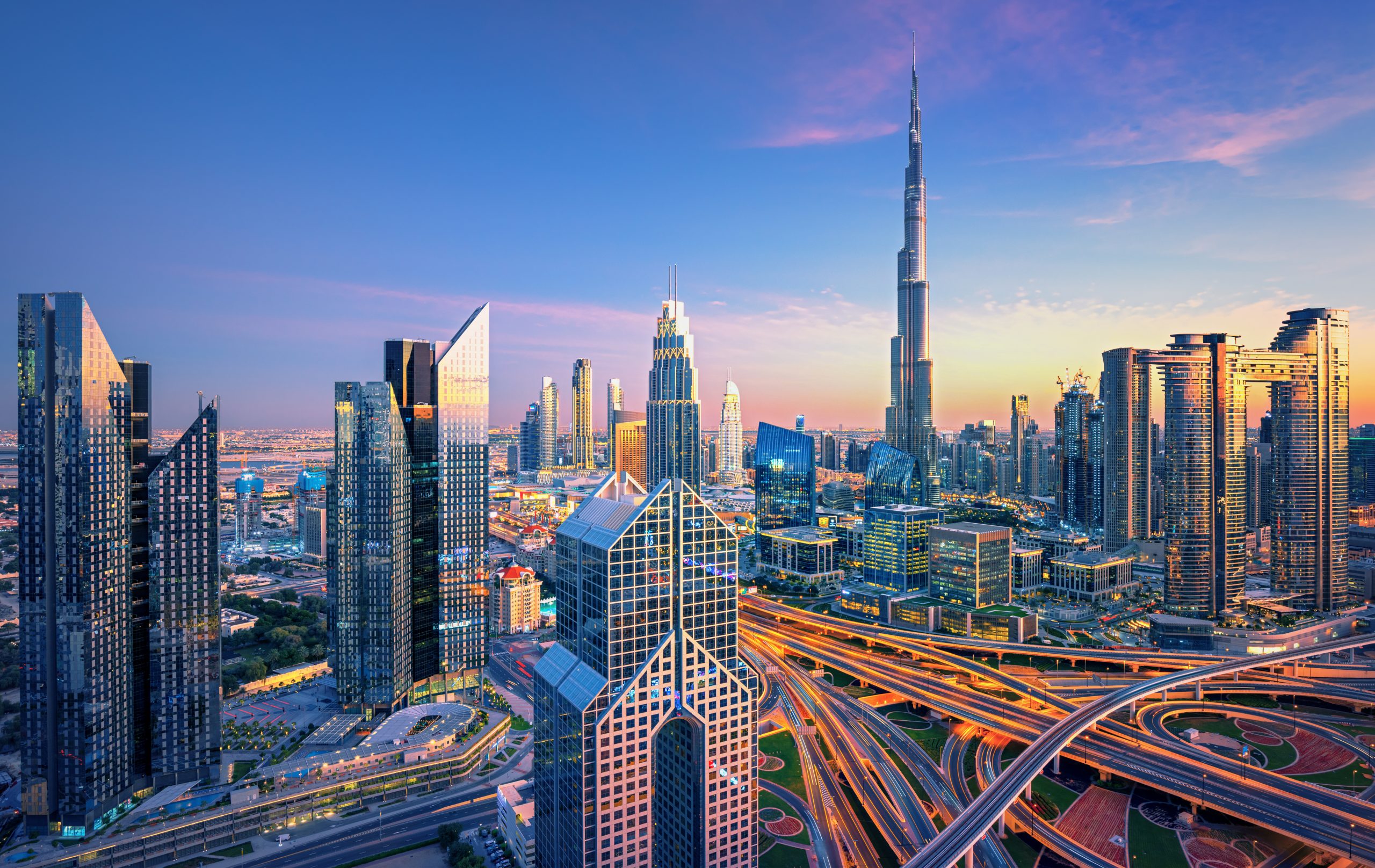
Saturday, 30 May — The UAE’s real GDP grew 6.2% in 2025 compared to the previous year, with the non-oil GDP increasing by 6.8%. The largest non-oil contributors were trade (16.9%), finance and insurance (13.2%), construction (12.9%) and manufacturing (12.8%). Minister of Economy and Tourism Abdulla bin Touq Al Marri underlined the success of Emirati efforts in moving towards a more diversified and sustainable economic model.
EU Corner
Wednesday, 27 May — Saudi Arabia’s Foreign Minister Faisal bin Farhan Al Saud participated in the Informal Meeting of EU Foreign Ministers (Gymnich) in Limassol, Cyprus. The meeting focused on the developments in the Gulf and their impact on the whole region, maritime security, freedom of navigation and the need to strengthen the resilience of supply chains. On the sidelines, he held bilateral meetings with Belgian, Finnish and French counterparts.
Thursday, 28 May — The European Commission said the closure of the Strait of Hormuz has, so far, raised energy prices without disrupting supplies for consumers but warned that if the situation does not improve in the coming weeks, the markets are expected to get increasingly tighter, particularly for jet fuel.
Friday, 29 May — The EU strongly condemned the latest attack by Iran against Kuwait as a serious threat to regional security and stability, reiterating full solidarity with the government and its people.
Monday, 1 June — EU High Representative Kaja Kallas appreciated Pakistan’s mediating efforts, highlighting that any temporary US-Iran agreement must be followed by deeper talks on Iran’s nuclear stockpile and other critical issues. She highlighted the EU’s economic leverage, nuclear expertise, relations with Gulf partners and direct engagement with Iran as potential contributions to a peaceful solution.
Key Official Visits & Contacts
Wednesday, 27 May — In Doha, Iran’s Foreign Minister Abbas Araghchi and Speaker of Parliament Mohammad Bagher Ghalibaf held talks with Qatar’s Prime Minister and Foreign Minister Mohammed bin Abdulrahman Al Thani as part of efforts to advance indirect US-Iran negotiations, focusing on sanctions relief, frozen Iranian assets, the Strait of Hormuz and broader regional security issues.
Thursday, 28 May — Speaking at the Eurasia Economic Forum in Astana, the UAE’s Minister of Foreign Trade Thani bin Ahmed Al Zeyoudi stressed the importance of trade routes and fostering investment in the transport and logistic sector among the Eurasian Economic Union members and global partners. He also held bilateral meetings with Minister of Trade of the Eurasian Economic Commission Andrey Slepnev and Kazakhstan’s Trade and Integration Minister Arman Shakkaliyev.
Sunday, 31 May — In separate phone calls with the leaders of Oman, Saudi Arabia and the UAE, France’s President Emmanuel Macron reiterated the need for a quick US-Iran agreement and unconditional reopening of the Strait of Hormuz. He said nuclear and ballistic programmes and regional security could be addressed later, while reaffirming France’s readiness to help restore traffic, provide expertise for nuclear talks and contribute to a future regional security framework.
Monday, 1 June — Kuwait’s Foreign Minister Jarrah Jaber Al-Ahmad Al-Sabah met with Director General of the International Atomic Energy Agency Rafael Grossi to discuss regional developments, the cooperation between Kuwait and the IAEA in the peaceful use of nuclear energy and the IAEA’s efforts to strengthen nuclear security and safety across the region and boost emergency preparedness.
Monday, 1 June — At the Choose France Summit, French President Emmanuel Macron and Secretary General of the UAE Council for Artificial Intelligence and Advanced Technologies Khaldoon Al Mubarak witnessed the announcement of a €7.5 billion expansion project of Campus AI in France by France’s Bpifrance and Mistral AI together with the UAE’s MGX. The project aims to develop up to 3 GW of computing capacity in France.
Tuesday, 2 June – Foreign Ministers of Egypt, Indonesia, Jordan, Pakistan, Qatar, Saudi Arabia, Türkiye and the UAE strongly condemned ‘the continued incursions by extremist Israeli settlers, into Al Aqsa Mosque’ and the raising of the Israeli flag in its courtyards as part of Israel’s ‘continuous systematic violations’ aimed at altering the character of East Jerusalem, warning that such violations exacerbate tensions, fuel extremism, and undermine international peace efforts.
The Week Ahead
3–6 June — Saudi Arabia will be the main guest country at the 29th St Petersburg International Economic Forum (SPIEF) in Russia.
4 June — The Justice and Home Affairs Council in Brussels will discuss the consequences of the situation in the Middle East and the conflict in Iran for the EU.
7 June — Parliamentary elections in Armenia and Kosovo.
7–8 June — Informal EU Defence Ministers’ meeting in Lefkosia, Cyprus will focus on current and emerging security challenges and defence readiness.