


5 Top Points
- Iran renewed its attacks on civilian infrastructure in the United Arab Emirates, prompting widespread international condemnation.
- Bahrain and the US are pushing for a new UN Security Council resolution on Iran’s actions in the Strait of Hormuz.
- GCC leaders’ summit in Jeddah stressed unity and coordination on Iran and threats to maritime security.
- Qatar and Greece agreed to deepen cooperation in trade, energy and defence during Emir’s visit to Athens.
- The EU plans to expand sanctions on Iran over the Hormuz blockade and boost naval efforts in the Gulf, while calling for addressing Iran’s nuclear and missile programmes.
‘Round and About the Gulf’
Kingdom of Bahrain

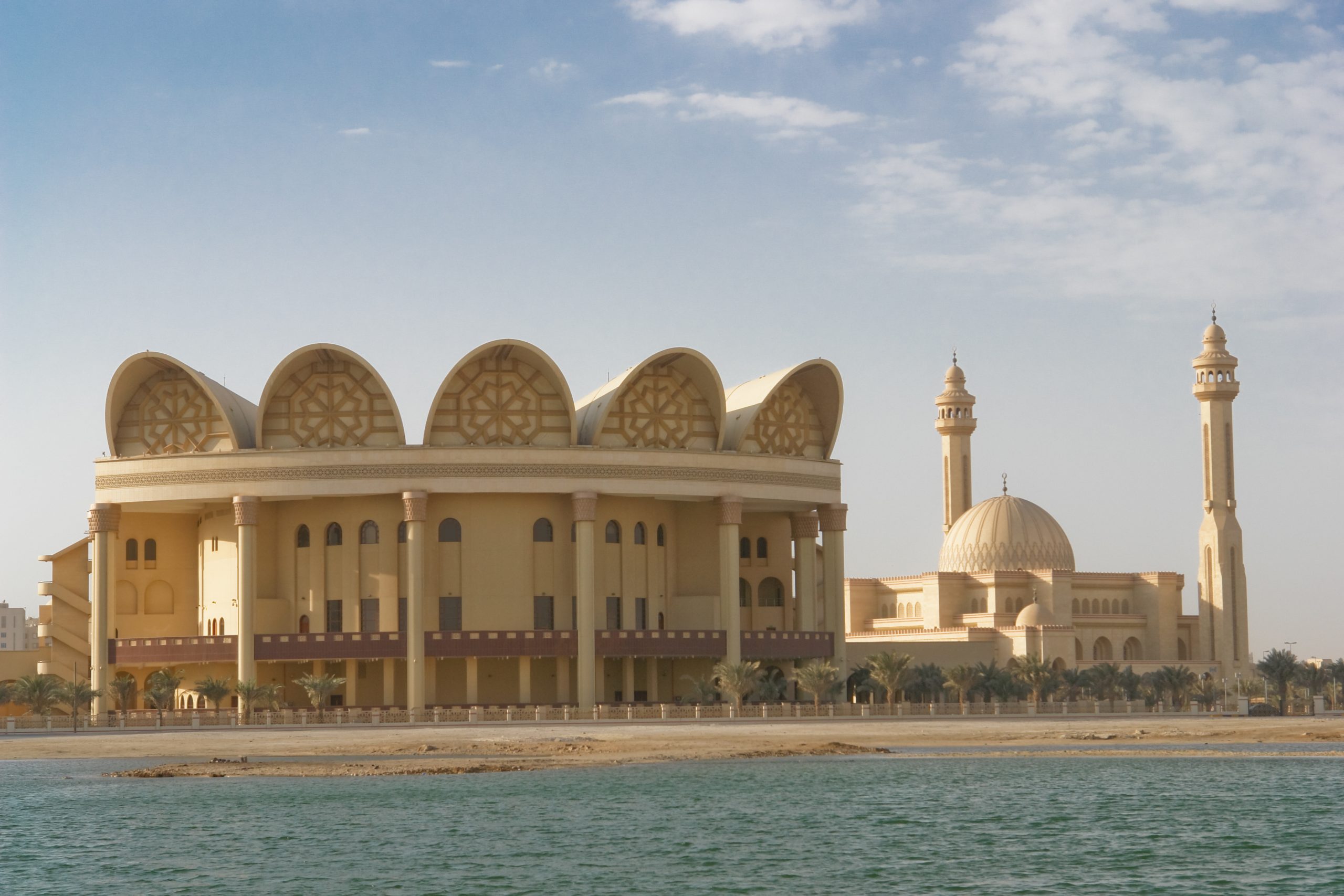
Saturday, 2 May — Bahrain’s Interior Minister, Rashid bin Abdullah Al Khalifa, reaffirmed that the country’s security, sovereignty and stability are fundamental principles that cannot be compromised, describing them as a firm ‘red line’. Stressing that recent statements by the King reflect a decisive national stance requiring unity and collective responsibility, he warned that any attempts to undermine stability would face strict legal consequences. He also emphasised the government’s commitment to maintaining order and protecting the state. Bahrain’s Foreign Ministry later firmly rejected Iranian Foreign Ministry Spokesperson’s statements as baseless interference, stressing that Tehran is deliberately politicising Bahrain’s sovereign legal measures by misrepresenting them as human rights issues, and pointed to a pattern of Iran’s conduct over the past few decades.
State of Kuwait

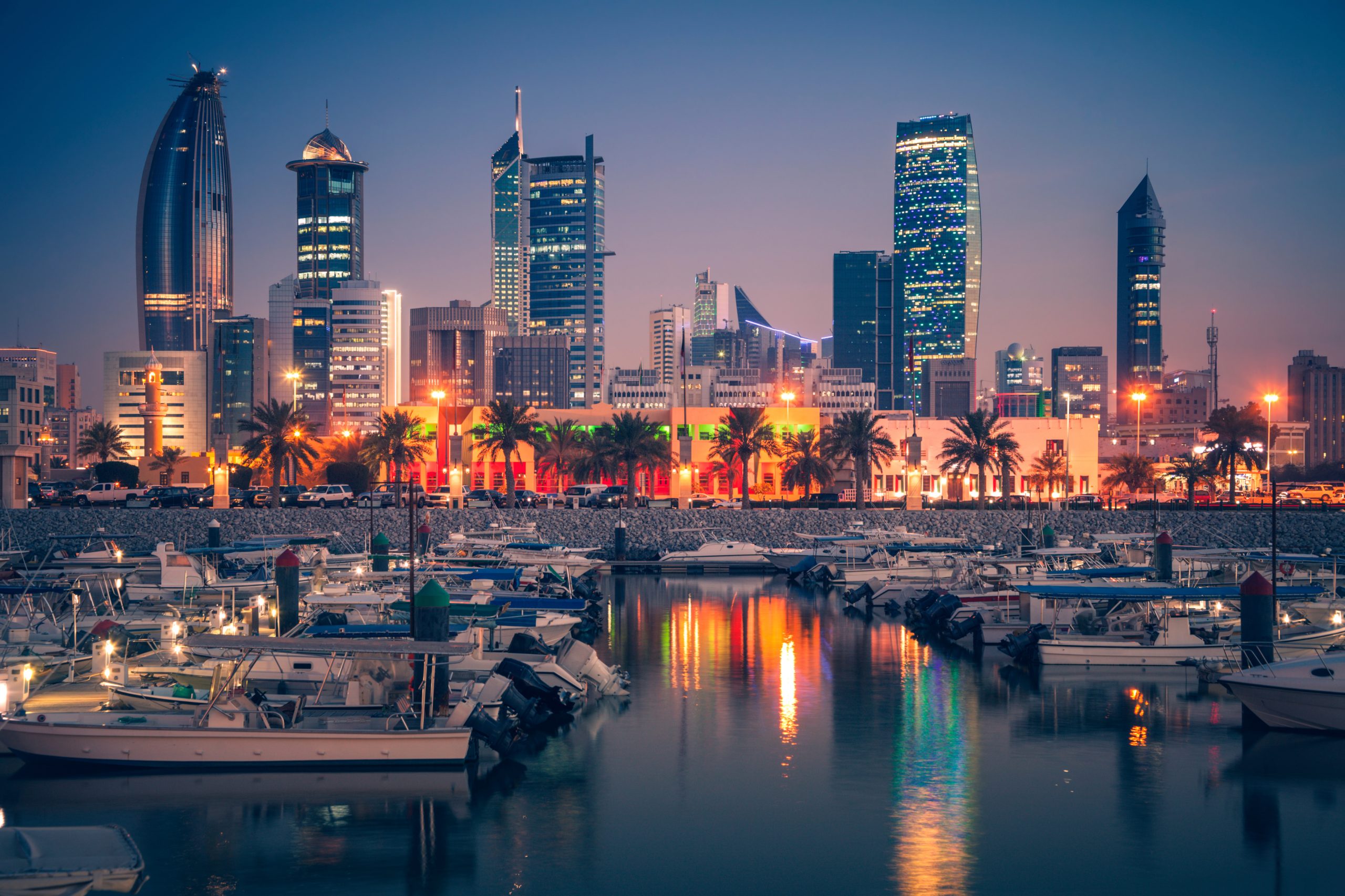
Sunday, 3 May — The Kuwait Chamber of Commerce and Industry has proposed a unified digital logistics platform across the Gulf Cooperation Council to connect companies involved in shipping, trade and storage under one system, aiming to improve coordination and reduce disruptions. The idea was discussed during a regional meeting of Gulf ministers and business leaders, held amid ongoing geopolitical tensions and supply chain issues caused by disruptions in the Strait of Hormuz.
Sultanate of Oman

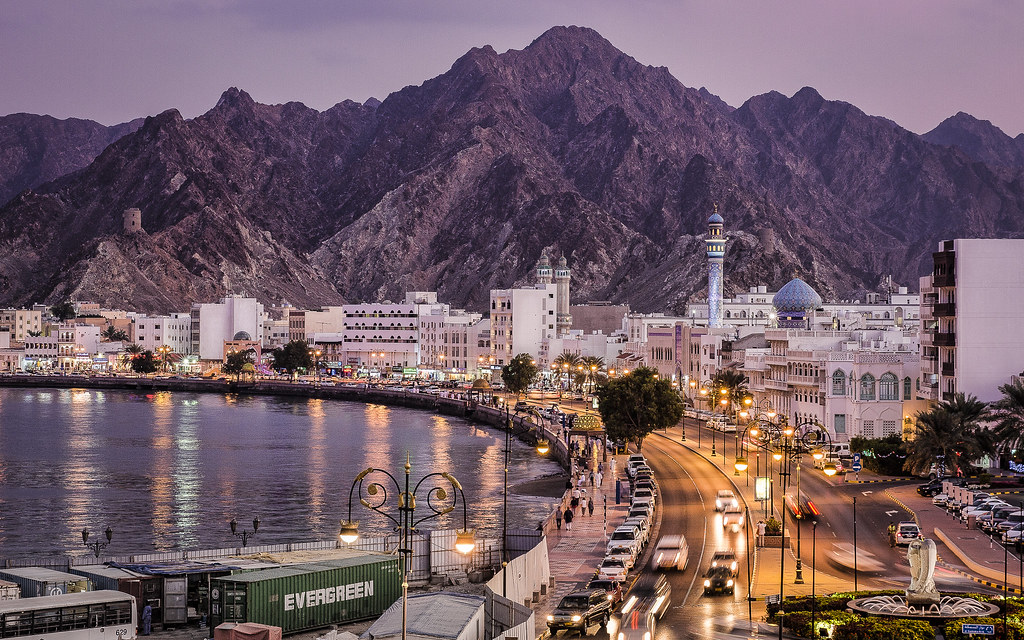
Thursday, 30 April — Sultan Haitham bin Tariq Al Said issued a Royal Decree (50/2026) establishing an Artificial Intelligence Special Zone in the Governorate of Muscat to accelerate Oman’s digital economy and innovation projects. The establishment of the Special Zone is in line with Oman Vision 2040, particularly in advancing digital infrastructure, economic diversification and supporting the growth of technology-driven sectors. The aim of the creation of the Special Zone is to ensure incentives, exemptions and a tailored regulatory framework to attract AI-driven enterprises.
Monday, 4 May — An attack on a residential building in Bukha, in the northern part of Oman bordering the UAE, resulted in moderate injuries to two expatriates and some material damage.
State of Qatar

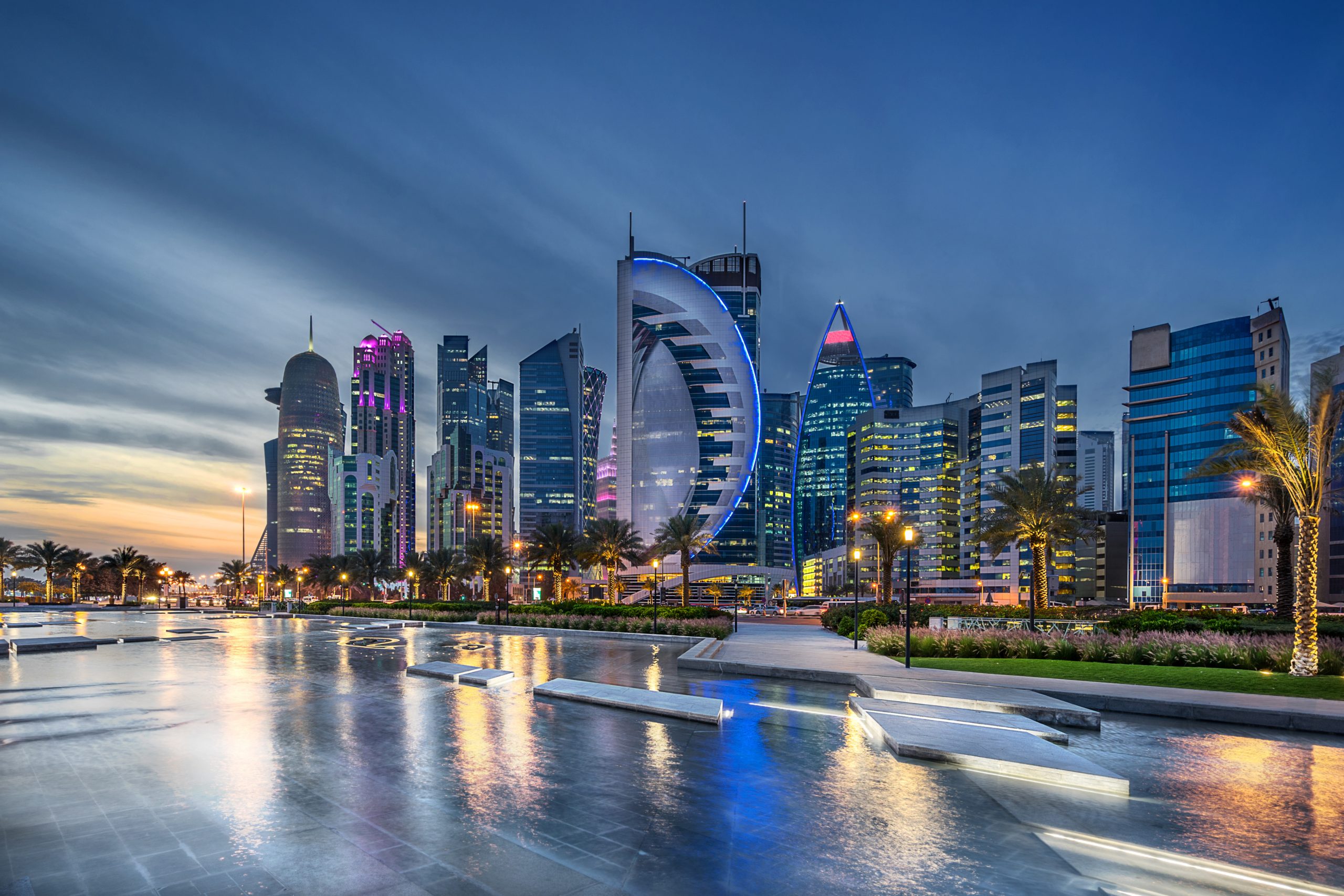
Wednesday, 29 April — Majed Al Ansari, Spokesperson for Qatar’s Ministry of Foreign Affairs, condemned any attempts to use the Strait of Hormuz as leverage in political or military conflicts. He stated that such actions were unacceptable in principle. He emphasised that the hub must never be used as a political weapon and noted that Qatar is engaging with all relevant parties to ensure its swift reopening and the restoration of normal maritime traffic.
Saturday, 2 May — In response to rising regional tensions linked to Iran, the United States has approved more than $8.6 billion (USD) in arms sales to key Middle Eastern allies, namely Kuwait, Israel, Qatar and the United Arab Emirates. The package includes advanced military equipment, such as missile defence systems, precision-guided weapons and command and control systems, which are intended to bolster the countries’ defensive capabilities.
Kingdom of Saudi Arabia

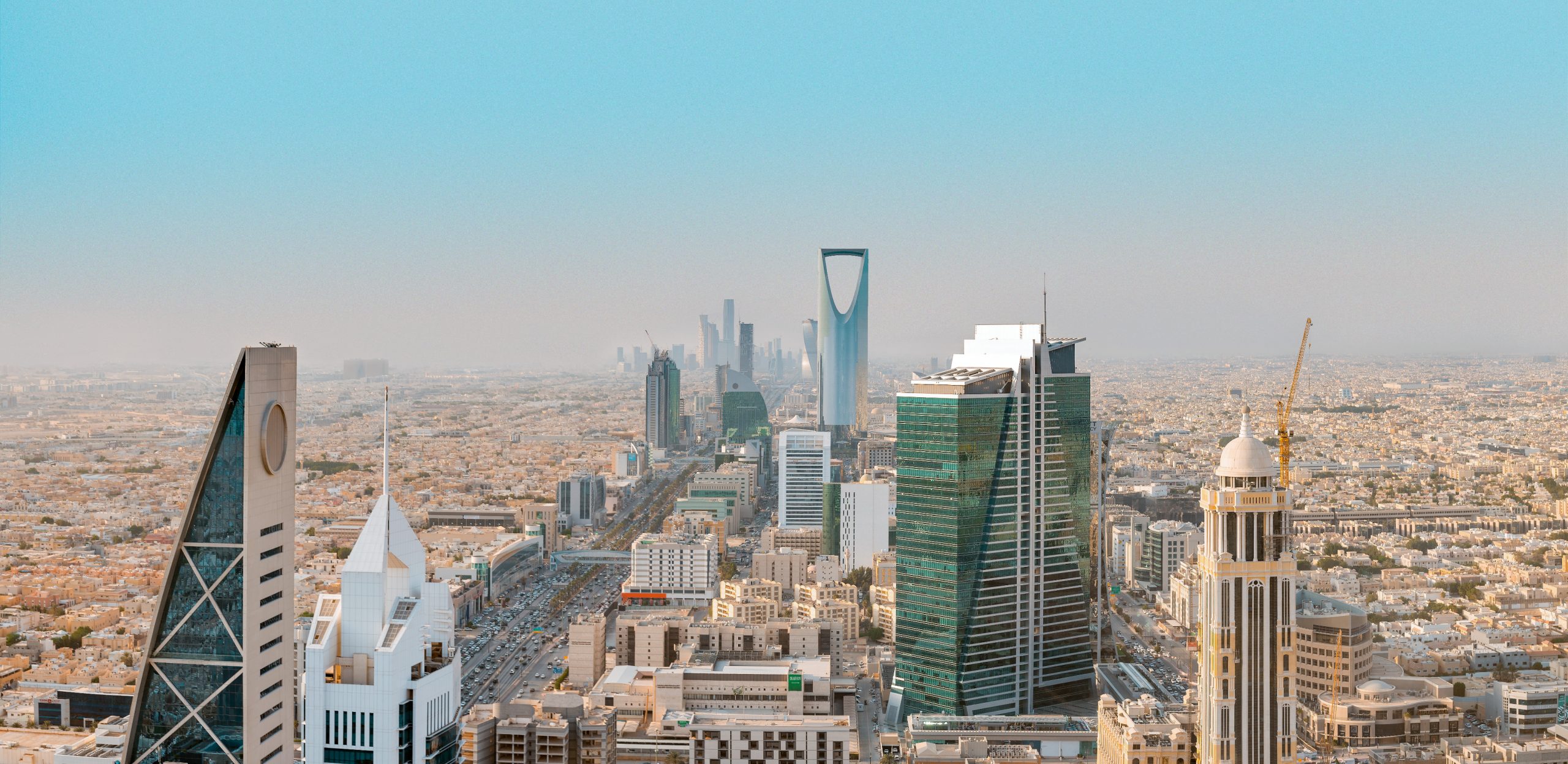
Saturday, 2 May — Saudi Arabia has been ranked by Bloomberg as the second most attractive market for AI data centres after the United States, underscoring the Kingdom’s efforts in expanding the market and its growing position in artificial intelligence and cloud computing.
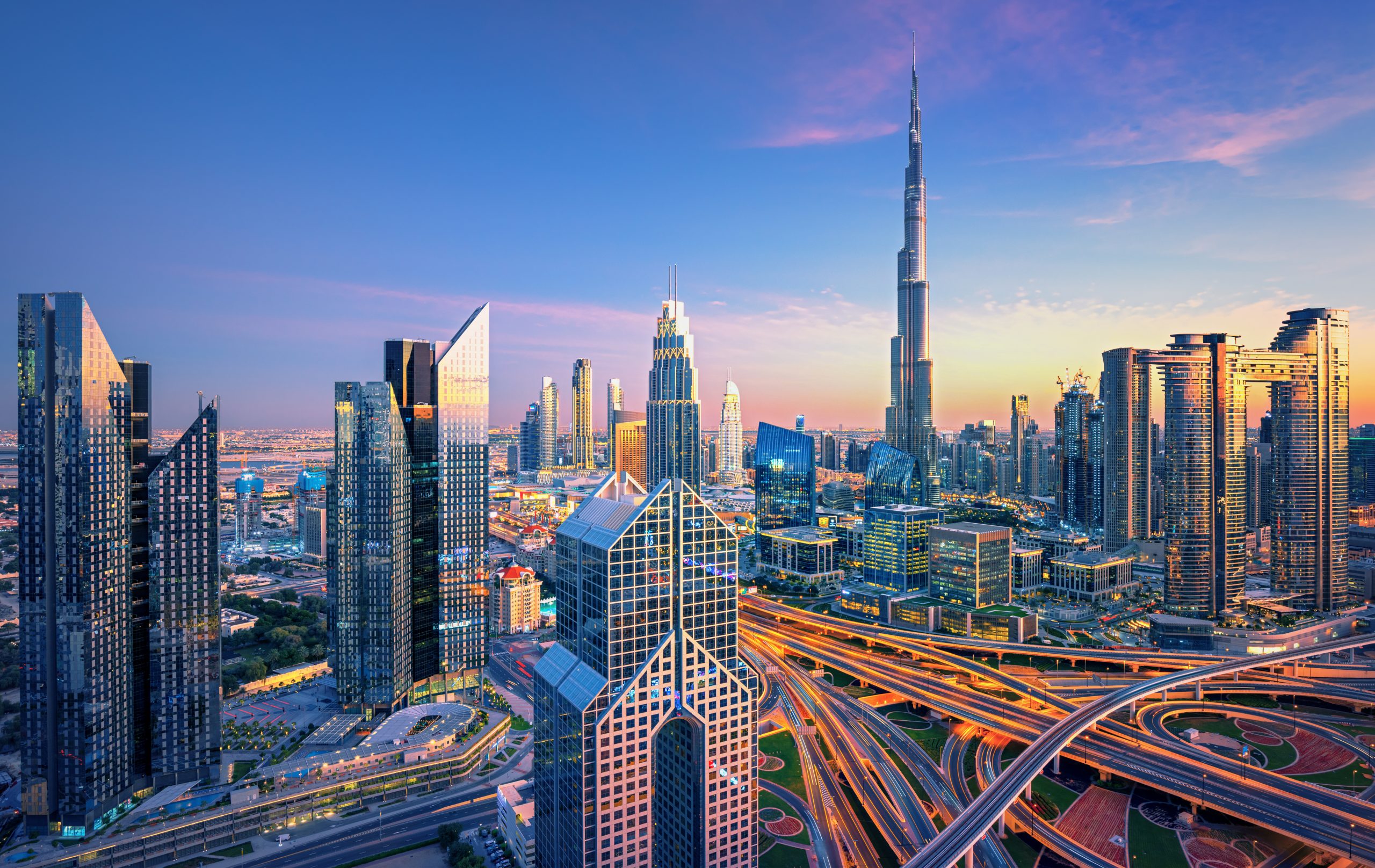
United Arab Emirates

Tuesday, 28 April — The United Arab Emirates announced its decision to exit the Organisation of Petroleum Exporting Countries (OPEC) and OPEC+, effective from 1 May.
Monday, 4 May — The UAE announced renewed Iranian attacks following a period of relative calm under the US-Iran ceasefire. Two drones targeted a tanker affiliated with ADNOC (Abu Dhabi National Oil Company) as it transited the Strait of Hormuz. Later that day, the Ministry of Defence announced that the UAE air defence systems engaged 12 ballistic missiles, 3 cruise missiles and 4 drones originating from the Islamic Republic of Iran, resulting in 3 moderate injuries.
EU Corner
Wednesday, 29 April — European Commission President, Ursula von der Leyen, called for reducing EU’s overdependency on imported fossil fuels by boosting home-grown, clean energy supply, citing the impact of the Iran war on energy prices — the cost of EU’s imports of fossil fuels increased by more than EUR 27 billion in 60 days of the conflict.
Wednesday, 29 April — Speaking at the Nordic-Baltic Eight meeting in Estonia, EU High Representative for Foreign Affairs and Security Policy and European Commission Vice-President, Kaja Kallas, said the stand-off in the Strait of Hormuz has no quick resolution and has negative consequences on the global economy, bolstering Russia and disrupting US weapons deliveries. She highlighted the EU Foreign Ministers’ agreement to expand sanctions on Iran over shipping restrictions, affirmed potential expanded naval efforts in the Gulf, while stressing the need to address Iran’s nuclear and missile programmes and its support for terrorist groups in the region.
Thursday, 30 April — In a phone call with Sultan Haitham bin Tariq Al Said, European Council President, Antonio Costa, expressed EU’s solidarity with Oman and the wider region affected by the war in Iran and condemned all attacks against civilians and civilian infrastructure. Costa highlighted the shared priority of reopening the Strait of Hormuz and diplomacy — with the help of Omani mediation — as the only viable path forward, while reaffirming EU’s readiness to support these efforts.
Friday, 1 May — Saudi Minister of Foreign Affairs, Faisal bin Farhan Al Saud, held a phone call with EU High Representative, Kaja Kallas, to discuss the current regional situation, with a focus on the Iran war, the Strait of Hormuz and the need to strengthen EU-GCC and EU-Saudi strategic cooperation.
Sunday, 3 May & Monday, 4 May — A delegation of Members of the European Parliament from all major political groups — the EPP, S&D, Patriots, ECR, Renew and Greens/EFA — visited Saudi Arabia and Bahrain to express solidarity with the Gulf countries following Iranian attacks and to discuss strengthening EU-GCC strategic partnership, with a focus on digital and energy transitions, transport and connectivity, security and clean technologies. The delegation stated that any lasting settlement of the conflict in the region ‘must address Iran’s nuclear programme, its ballistic missile and drone capabilities, and its regional destabilisation through proxies,’ while stressing that freedom of navigation in the Strait of Hormuz is non-negotiable. The mission was led by Reinhold Lopatka, Chair of the European Parliament’s Delegation for Relations with the Arab Peninsula.
Monday, 4 May & Tuesday, 5 May — EU officials condemned Iran’s latest wave of attacks against the UAE as ‘unacceptable’ and ‘unjustifiable’ violations of sovereignty and international law, extending full solidarity to the UAE and its people. Council President, Antonio Costa, affirmed that ‘the EU will continue to work with our partners toward de-escalation, reopening the Strait of Hormuz, and a lasting diplomatic solution for regional security.’
Key Official Visits & Contacts
Tuesday, 28 April — Saudi Crown Prince and Prime Minister, Mohammed bin Salman Al Saud, chaired the 19th GCC Consultative Meeting in Jeddah. During the summit, leaders and heads of delegations of the GCC countries discussed regional developments, diplomatic efforts to end the crisis in the region, while rejecting Iran’s illegal closure of the Strait of Hormuz, underlining its economic and security risks. Additionally, the leaders focused on joint GCC projects, such as the GCC railway project, electricity and water interconnection, the GCC pipeline project, enhanced military integration and an early warning system against ballistic missiles.
Tuesday, 28 April — Mohammed Al Mazrouei, UAE’s Minister of State for Defence Affairs, and Alistair Carns, UK Minister for the Armed Forces, met in Abu Dhabi to discuss military cooperation, and the importance of exchanging expertise and developing defence partnership between the two countries.
Wednesday, 29 April — Greece and Qatar agreed to deepen cooperation in trade, energy and defence during a meeting between Greek Prime Minister, Kyriakos Mitsotakis, and Qatari Emir, Tamim bin Hamad Al Thani, in Athens. They discussed expanding Qatari investment in Greek infrastructure, energy projects and data centres, while also highlighting the growing importance of defence collaboration, building on a partnership framework established in 2024.
Wednesday, 29 April & Thursday, 30 April — French Foreign Minister Jean-Noel Barrot toured the Gulf, with stops in Saudi Arabia, Qatar, the United Arab Emirates and Oman. The meetings with his respective counterparts focused on the war in the Middle East, highlighting the need to consolidate the ceasefires in both Iran and Lebanon. Additionally, they underlined the need for de-escalation and a diplomatic solution to the conflict, the immediate reopening of the Strait of Hormuz and guaranteed freedom of navigation. Barrot also reiterated France’s solidarity with the Gulf partners.
Friday, 1 May — UAE Minister of State, Saeed Al Hajeri, and Azerbaijan’s Deputy Minister of Foreign Affairs, Yalchin Rafiyev, attended the second meeting of the Strategic Partnership Cooperation Committee between the Emirates and Azerbaijan in Baku, aiming to discuss the depth of bilateral relations and the roadmap to implement the Comprehensive Strategic Partnership with its priority projects in the 2025-2029 timeframe.
Sunday, 3 May — Omani Foreign Minister, Badr bin Hamad Al Busaidi, and Iranian Foreign Minister, Abbas Araghchi, discussed over the phone the latest efforts to reach a consensus between the Islamic Republic of Iran and the United States on the nuclear issue and freedom of navigation in the Gulf.
Monday, 4 May — The Minister of Foreign Affairs of Türkiye, Hakan Fidan, and Kuwait’s Minister of Foreign Affairs, Jarrah Jaber Al Ahmad Al Sabah, held strategic talks in Ankara to address Gulf security and the Strait of Hormuz. During the meeting, they emphasised the importance of safeguarding maritime security, ensuring the uninterrupted flow of energy supplies and preventing further escalation in the Gulf. Both parties emphasised the Strait’s strategic importance for global trade and energy markets and the need for cooperation and diplomacy to mitigate risks and maintain regional stability.
Monday, 4 May — Speaking to UAE President, Mohamed bin Zayed Al Nahyan, over the phone, Saudi Crown Prince and Prime Minister, Mohammed bin Salman Al Saud, condemned the ‘unjustified Iranian aggressions’ and reaffirmed Saudi Arabia’s full solidarity with the UAE. The Saudi Foreign Ministry later confirmed its support for the UAE in whatever steps it takes to defend its sovereignty, security and territorial integrity. Along with Saudi Arabia, Bahrain, Kuwait, Qatar and the GCC Secretary-General, Jasem Albudaiwi, released statements condemning the attacks.
Monday, 4 May — Ukrainian President, Volodymyr Zelenskyy, arrived in Bahrain for talks focused on security cooperation, amid growing Gulf interest in Kyiv’s expertise in countering Iranian drones and missiles. Zelensky was received at Bahrain International Airport in Muharraq by Foreign Minister, Abdullatif bin Rashid Al Zayani.