


5 Top Points
- The Iran war’s economic picture becomes clearer across the GCC: statistics around the impact of the Strait of Hormuz closure show Oman’s oil receipts up 26% in March, Saudi Arabia’s 4.3% increased, Kuwait’s down 73% and the UAE’s 2.6% down.
- Bahrain highlights the Strait of Hormuz at the UN Security Council: as a UN Security Council rotating member and holder of the Presidency for the month of April, Bahrain has brought the Strait of Hormuz crisis to the forefront. Permanent Representative Jamal Fares Alrowaiei warned of any further Iranian attacks on Gulf countries and lobbied for stronger text on protecting commercial shipping in the Strait of Hormuz against the face of French, Chinese and Russian opposition.
- The impact of the conflict on Europe causes economic alarm: IMF Managing Director Kristalina Georgieva stated the war that will lead to slower growth and higher inflation, already reducing global oil supply by 13%. Germany, Italy, Spain, Portugal and Austria urged the European Commission to consider a new windfall tax on energy companies, as fuel prices increases.
- Qatar and Oman try and keep the diplomatic channel alive: Qatar’s Prime Minister and Foreign Minister Sheikh Mohammed bin Abdulrahman bin Jassim Al Thani maintained an intensive schedule of calls and meetings on the war, and Oman’s Foreign Ministry hosted talks with Iran regarding the Strait of Hormuz.
- EU ties GCC security directly to its own energy interests: at the informal meeting of EU foreign ministers in Kyiv, EU High Representative for Foreign Affairs Kaja Kallas said the Iran war had ‘captured’ the region and stressed that the Strait of Hormuz must be opened.
‘Round and About the Gulf’
Kingdom of Bahrain

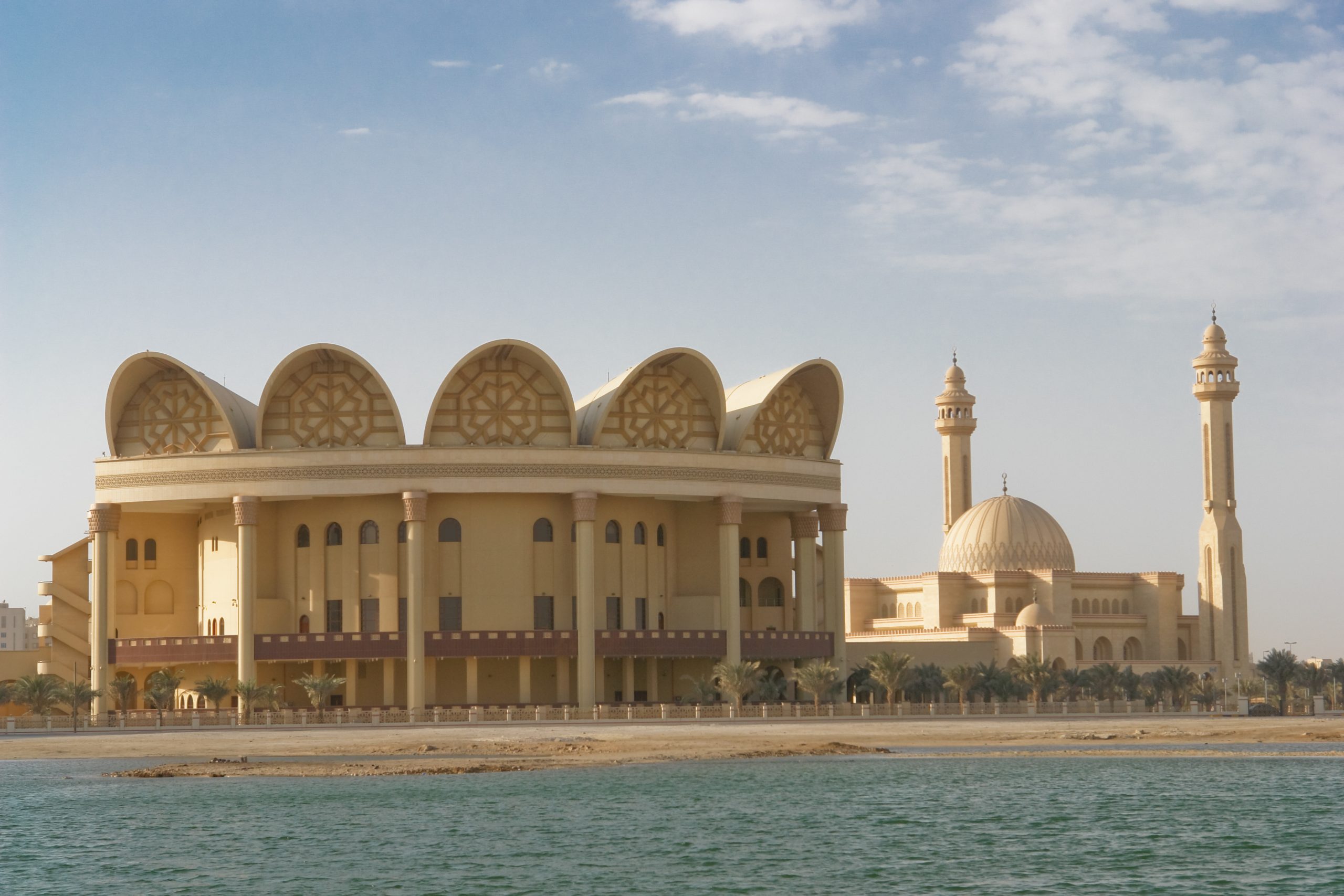
Bahrain is using its month-long presidency of the UN Security Council to keep Iranian attacks and the Strait of Hormuz crisis at the top of the international agenda. Bahraini diplomacy, led by Permanent Representative Jamal Fares Alrowaiei in New York, focused on turning Gulf security into a formal UN matter, even as its draft shipping resolution was diluted under pressure from others.
Bahrain remained under direct military threat while also continuing its wider security preparations. The IRGC stated they had targeted an Amazon cloud-computing centre in Bahrain, while Bahraini official channels also publicised a live-firing exercise on the south-west coast.
State of Kuwait

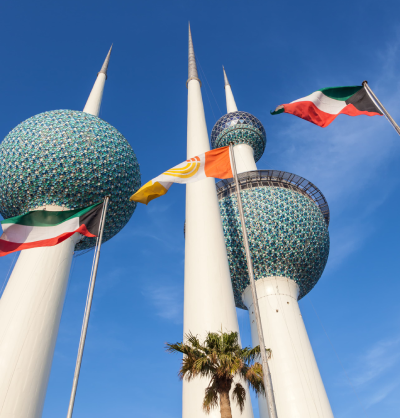
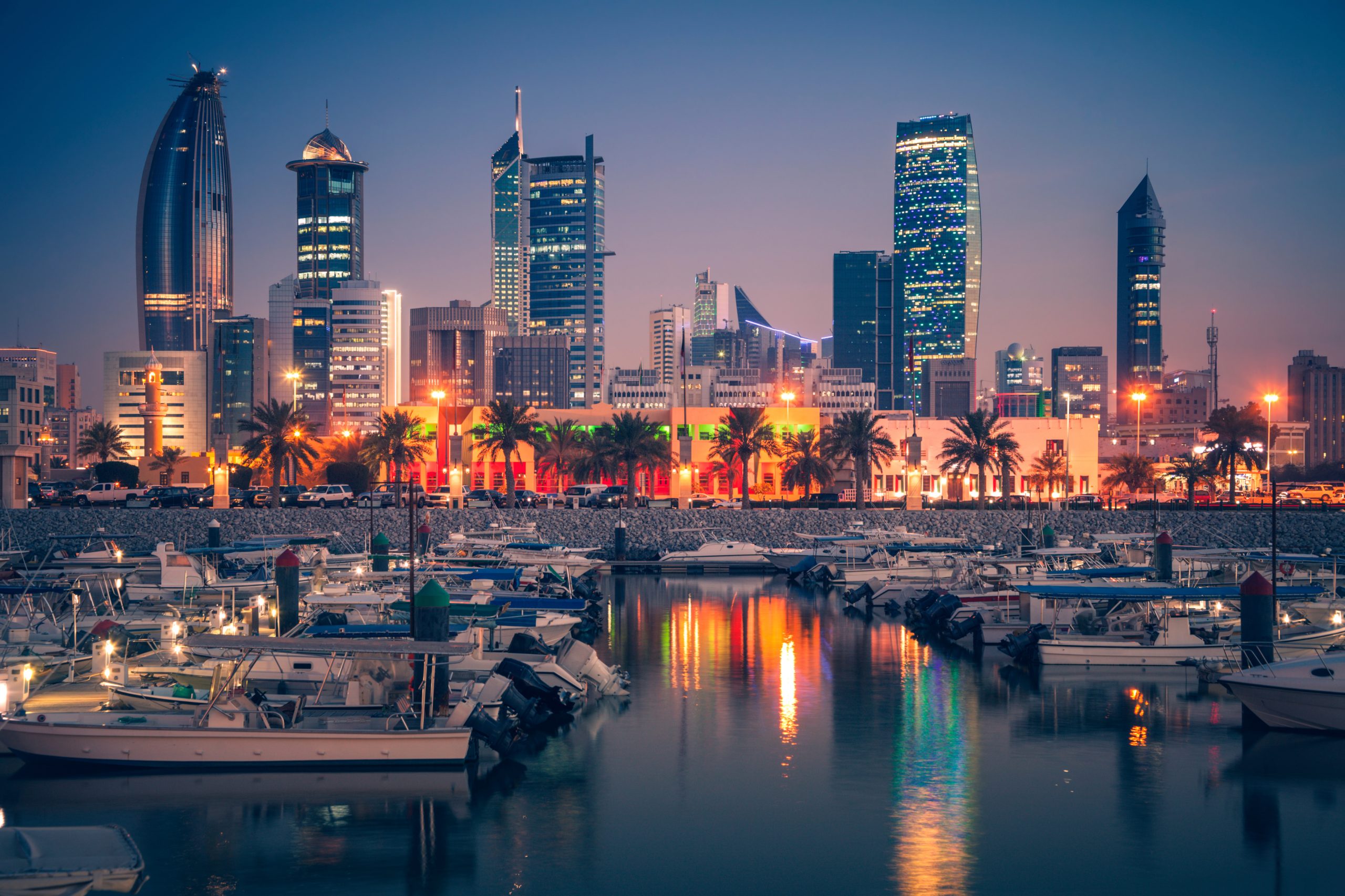
Kuwait remained among the most exposed Gulf states to the war’s direct military and economic consequences. Authorities confirmed 14 ballistic missiles, two cruise missiles and 46 drones in a single 24-hour period alone, reinforcing that Kuwaiti airspace remained an active theatre
Statistical reporting stated Kuwait’s March oil export revenues had fallen 73% year-on-year because, unlike Saudi Arabia and Oman, it lacks a meaningful bypass route around the Strait of Hormuz.
Sultanate of Oman

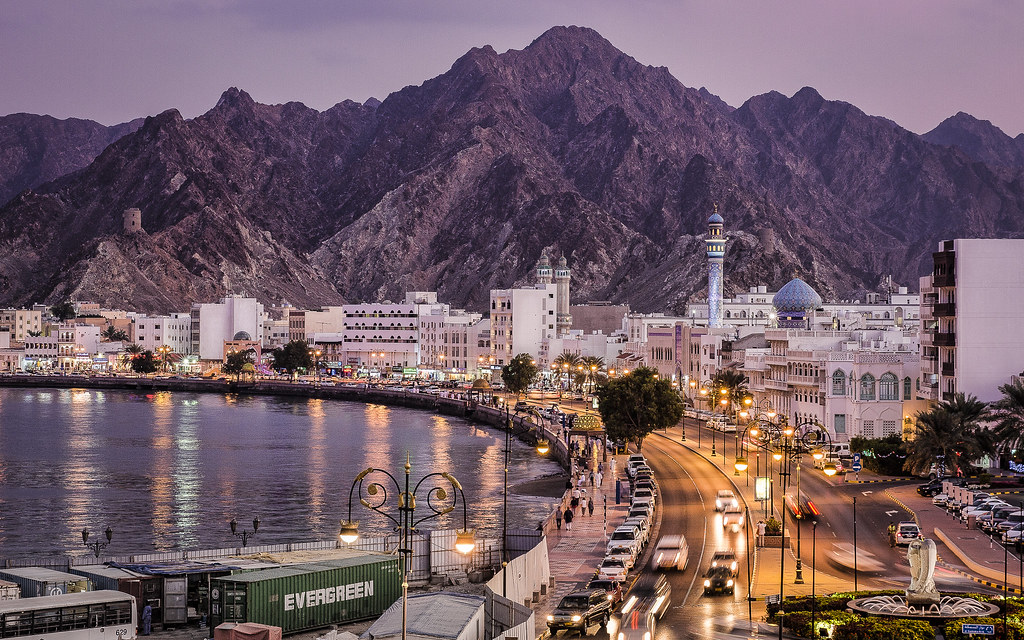
Statistical reporting confirmed Oman’s March oil revenues rose 26% year-on-year, one of the few and clearest positive economic outcomes anywhere across the Gulf countries. Muscat remained integral to the diplomatic architecture around the war.
Qatar publicly thanked Oman for hosting and facilitating talks, while Gulf and wider international actors continued to treat Oman as the most credible low-noise venue for pursuing de-escalation efforts.
State of Qatar

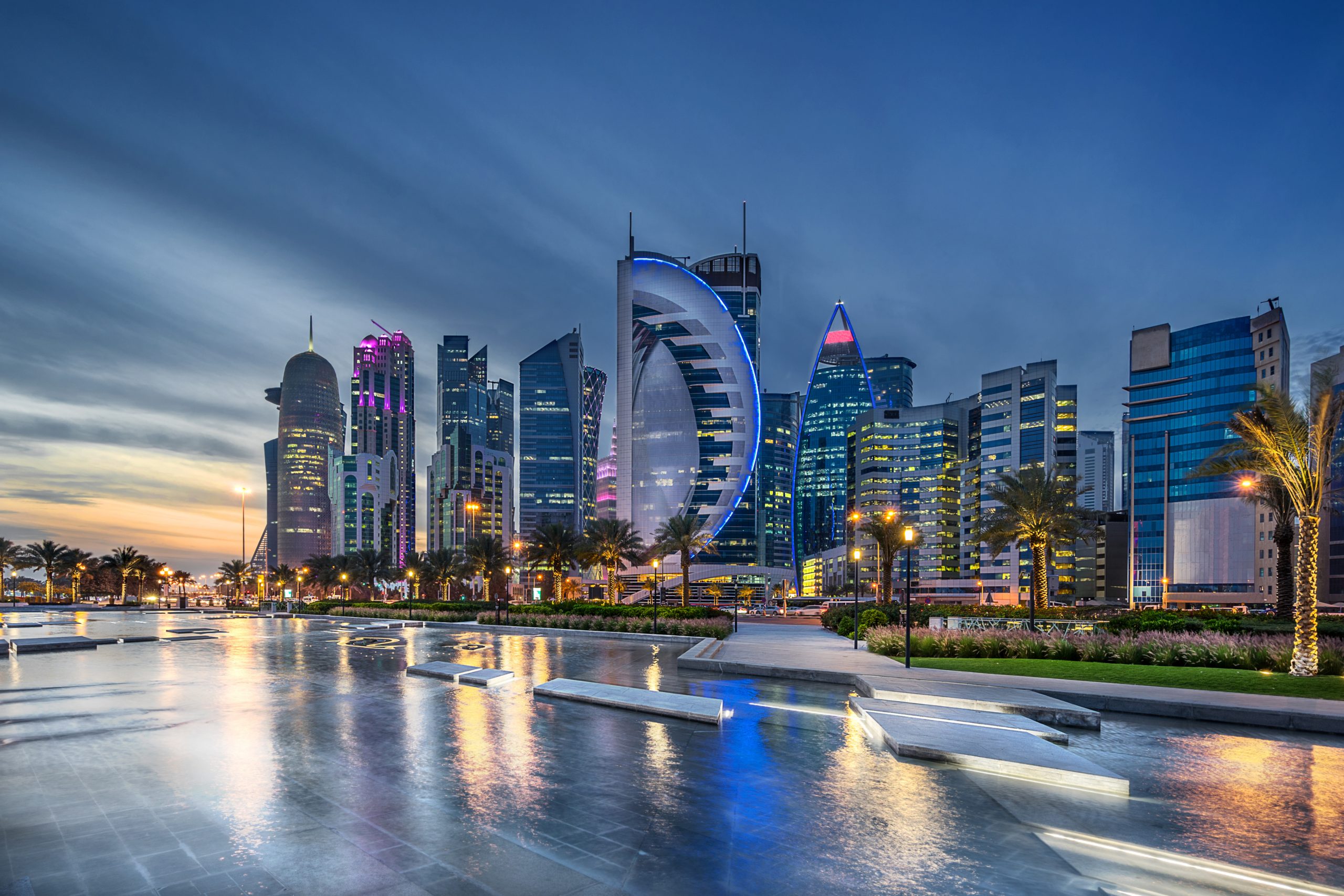
Qatar’s Prime Minister and Foreign Minister Mohammed bin Abdulrahman bin Jassim Al Thani received a written message from Malta’s Deputy Prime Minister and Foreign Minister Ian Borg expressing solidarity with Qatar in light of regional developments.
In a notable shift from Qatar’s earlier focus on LNG losses, official economic reporting emphasised resilience in food-security and commodity management in the country despite continuing disruption caused by the war.
Kingdom of Saudi Arabia

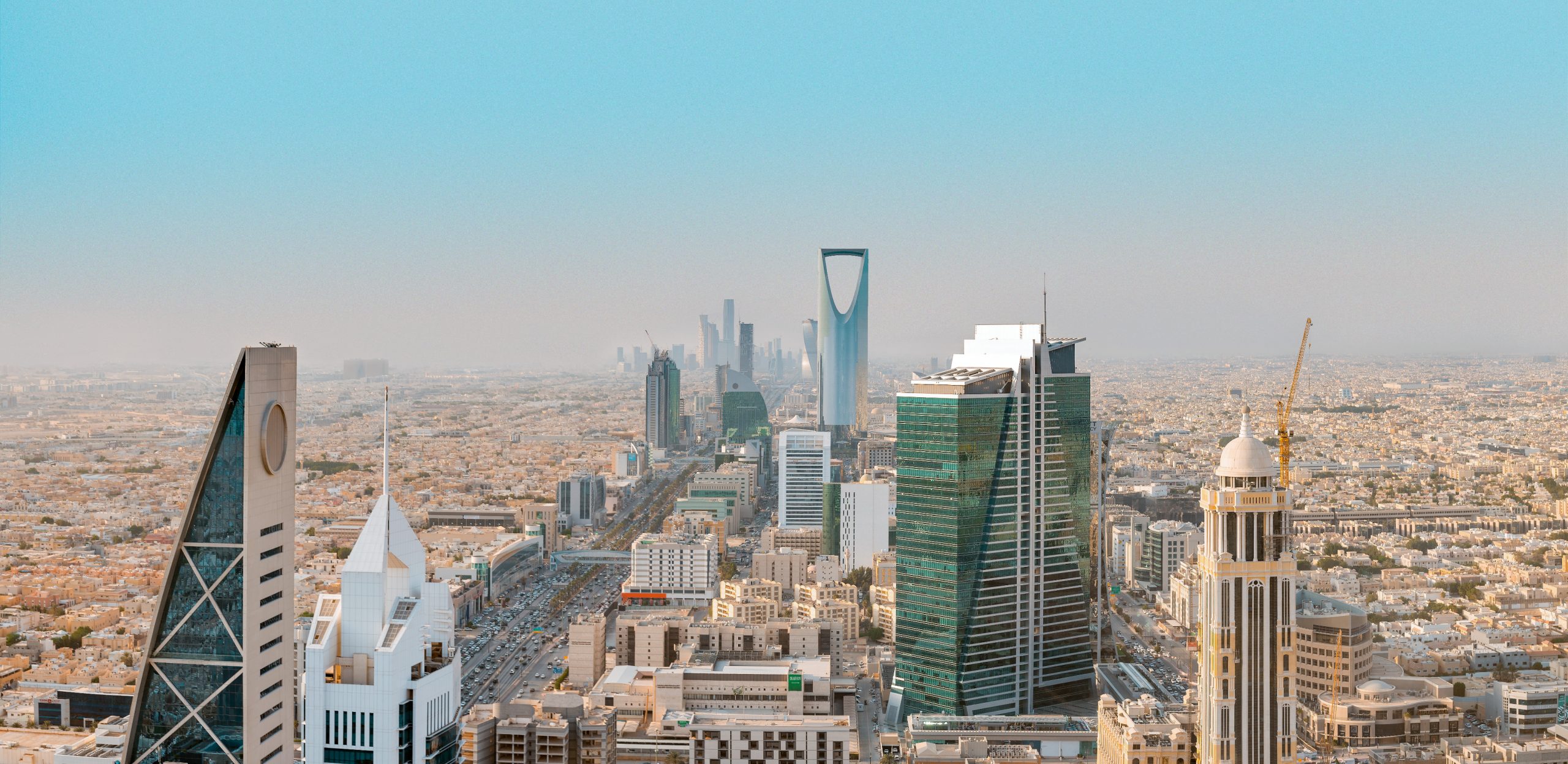
Saudi Arabia continued to intercept and destroy ballistic missiles launched toward the Eastern Region, with various reports of debris falling near energy facilities.
Saudi Arabia remained as one of the Gulf countries best positioned to offset some of the economic impacts of the war with statistical reporting stating March oil revenues were still up 4.3%, largely because the East-West pipeline to Yanbu.
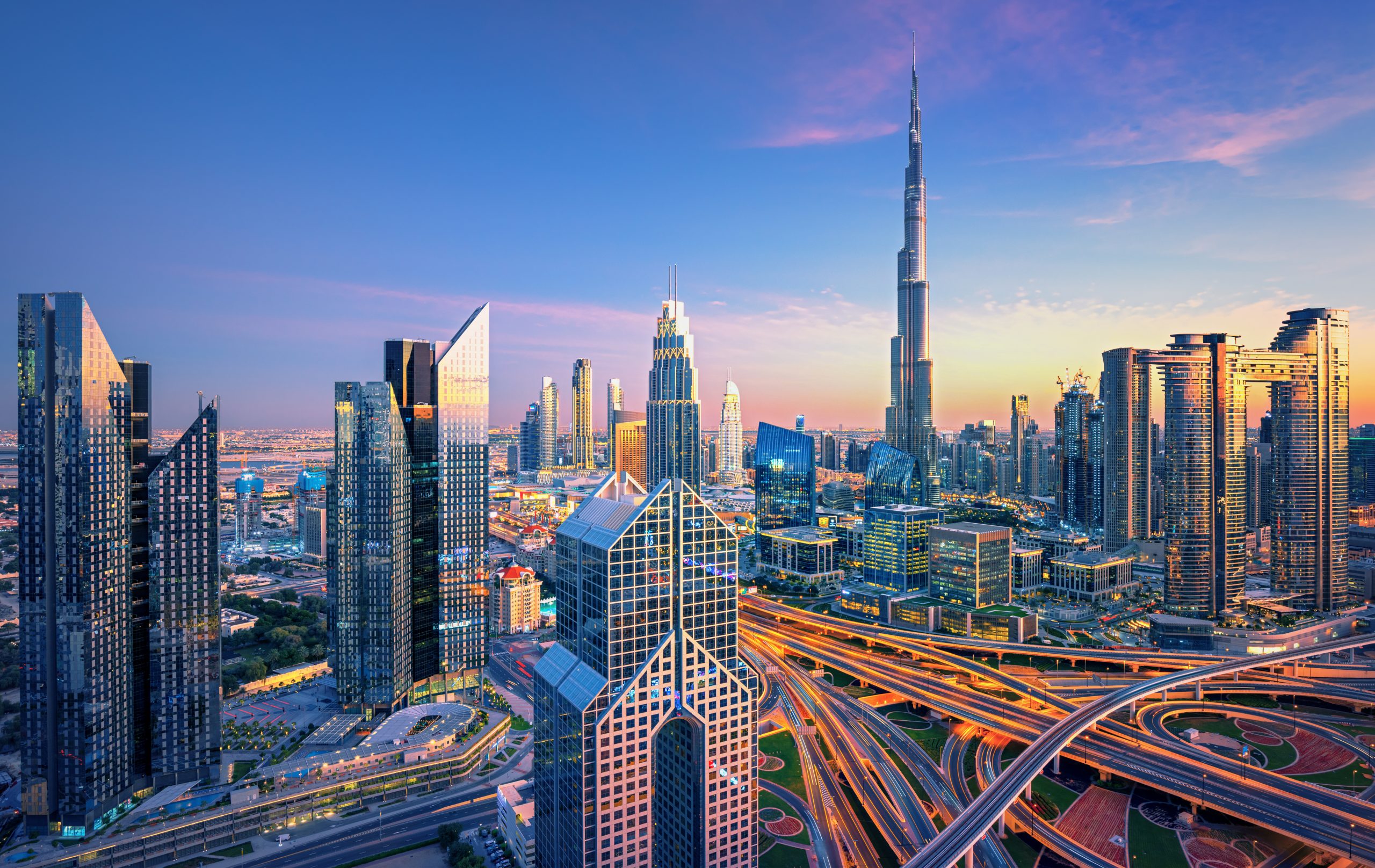
United Arab Emirates

Emirati air defences continued to respond to incoming Iranian ballistic and cruise missiles and drones throughout the week, confirming that the UAE remained one of the main Gulf targets of Iran.
Statistical reporting suggests UAE was better placed than Kuwait or Qatar, but still adversely affected, with March oil export revenues down 2.6% year-on-year, with the Habshan–Fujairah oil pipeline offering some alternate protection.
EU Corner
Five EU countries, Germany, Italy, Spain, Portugal and Austria, called on the European Commission to examine an EU-wide windfall tax on energy companies as war-driven fuel prices surged. The proposal showed how directly Iran war disruption was now feeding into domestic European politics.
The IMF, World Bank and IEA were coordinating responses to the war’s economic fallout, while the IEA’s Executive Director Fatih Birol described the current oil and gas crisis as worse than 1973, 1979 and 2022 together, resinating throughout European capitals.
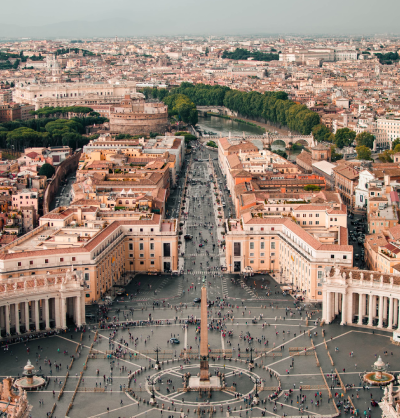
EU ministers openly linked GCC security to Europe’s own defence and energy position at the informal meeting of EU foreign ministers in Kyiv (1-2 April). EU High Representative for Foreign Affairs Kaja Kallas stated the Iran war had ‘captured’ the region and stressed that the Strait of Hormuz has to be opened, adding that Iran ‘[…] cannot have a veto over Middle East energy flows’.
Key Official Visits & Contacts
Wednesday, 1 April (Riyadh) – Saudi Defence Minister Prince Khalid bin Salman met Greek Defence Minister Nikos Dendias to discuss regional security, military cooperation, and the effect of continuing Iranian attacks on Saudi Arabia and other states in the region.
Monday, 6 April (Doha) Qatar’s Prime Minister and Foreign Minister Mohammed bin Abdulrahman bin Jassim Al Thani met Jordanian Deputy Prime Minister and Foreign Minister Ayman Al Safadi to discuss regional developments.
Monday, 6 April (Doha / by phone) – Qatar’s Prime Minister and Foreign Minister received a phone call from Iranian Foreign Minister Abbas Araghchi, highlighting Doha’s continued role in crisis communication.
Monday, 6 April (Doha / by phone) – Qatar’s Prime Minister and Foreign Minister received a phone call from India’s External Affairs Minister Subrahmanyam Jaishankar, showing Doha’s parallel outreach to Asian stakeholders.
Tuesday, 7 April (Abu Dhabi / by phone) – UAE President Sheikh Mohamed bin Zayed received a call from King Felipe VI of Spain, who condemned the Iranian attacks and expressed solidarity with the UAE.
Tuesday, 7 April (Abu Dhabi / by phone) – UAE President and King Abdullah II of Jordan spoke over a call to discuss the current developments and their implications for regional security and stability.
Tuesday, 7 April (Doha) – Qatar’s Prime Minister and Foreign Minister met Cypriot Foreign Minister Constantinos Kombos to discuss ongoing Iran war developments and Strait of Hormuz disruption.